Pipa Cliff Section Collapses After Heavy Rains; Area Secured
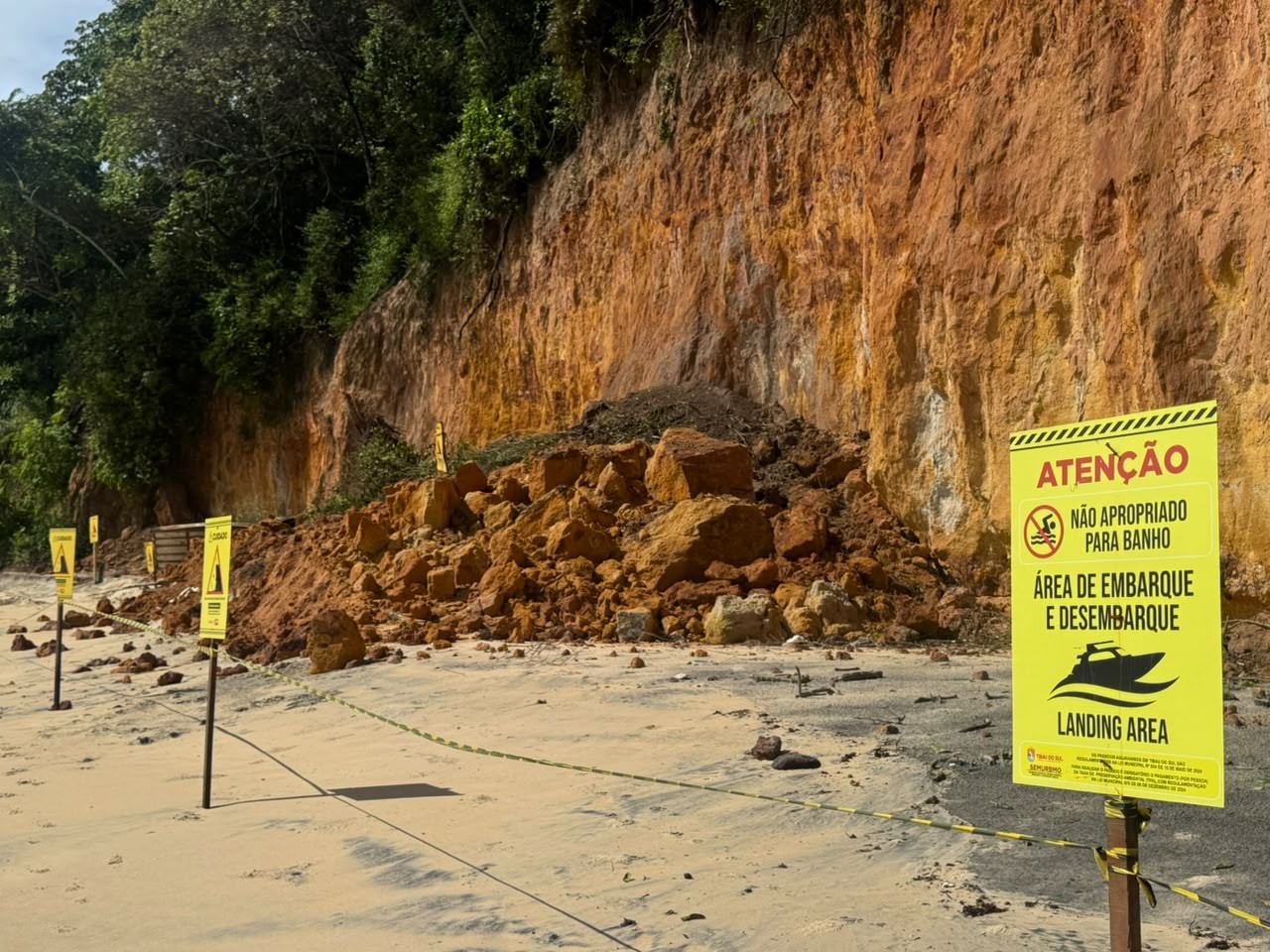
A section of a cliff in Pipa, located in the municipality of Tibau do Sul on the coast of Rio Grande do Norte, Brazil, collapsed early Wednesday morning, May 22nd, around 5 AM. The incident occurred on Praia do Centro following two days of persistent rainfall in the region. Fortunately, no one was injured. Municipal Civil Defense has cordoned off the affected area and is monitoring other risk points, posting warning signs as needed. The municipal government stated that the accumulation of water from the heavy rains increases the risk of landslides and rockfalls from the cliffs. Local tour guides have consistently warned tourists and beachgoers about the dangers of standing too close to the cliffs, especially during rainy periods and high tides when the available beach area is reduced. This recent collapse occurred near the site of a tragic incident in November 2020, where a couple, their seven-month-old baby, and their dog died after a cliff fall. This marks the third cliff-related incident in Pipa this year; in April, four beach tents were damaged by a sand collapse at Praia do Madeiro, and in September 2025, two people were injured and tents destroyed by a similar event at Praia do Madeiro. The recent collapse involved a rockfall, distinct from the sand-only incident in April.
The recurring cliff collapses in Pipa, exacerbated by persistent rainfall, highlight the inherent vulnerability of coastal geological formations to weather patterns. While immediate safety measures like area isolation are crucial, the repeated incidents suggest a need for long-term geological assessments and potentially more robust coastal management strategies. The proximity of this event to a past fatality underscores the critical importance of effective public awareness campaigns and consistent enforcement of safety perimeters. Future planning should consider the increasing intensity of rainfall events due to climate change and their impact on coastal erosion, potentially necessitating infrastructure adjustments or revised land-use policies to mitigate risks for residents and tourists alike.
AI-generated to prompt reflection — not editorial opinion, not advice, not a statement of fact. How this works.