Piracicaba Banned Foie Gras Production and Sales in 2015; National Ban Now in Effect
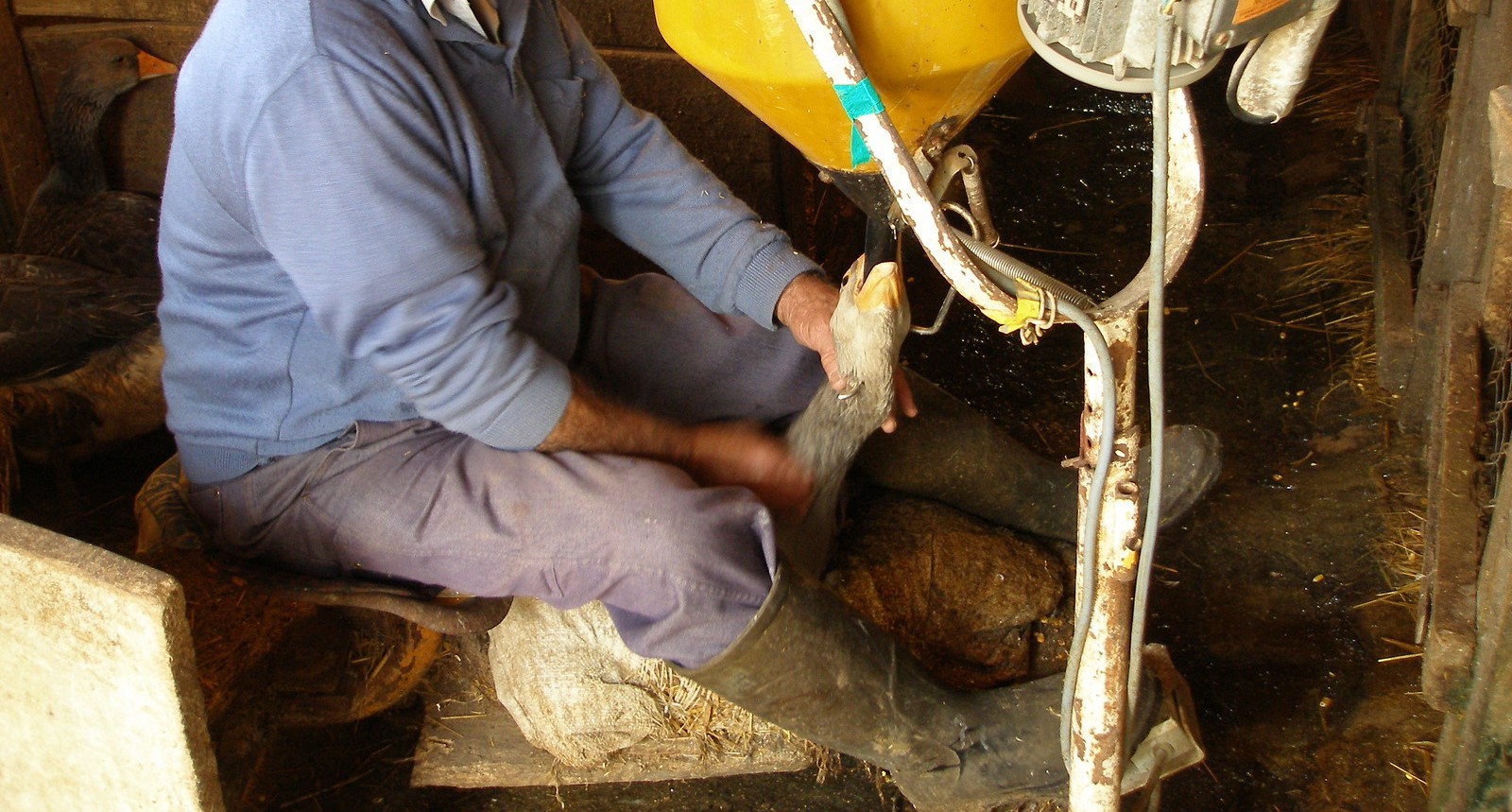
Piracicaba, São Paulo, has prohibited the production and sale of foie gras since 2015, a decision that predates Brazil's national ban on products derived from the forced feeding of animals. The city's decree, regulated in January 2016, assigned the Municipal Secretariat of Agriculture and Supply the task of enforcing the law within municipal markets, while the Municipal Civil Guard oversees other establishments. Violators face infraction notices, with repeat offenses within a year leading to further penalties.
The national law, signed by President Luiz Inácio Lula da Silva, specifically targets foie gras, whether in its fresh or canned form. The production method, known as gavage, involves inserting a metal tube into the animal's throat to force-feed it, causing its liver to swell up to ten times its normal size. This process, typically conducted twice daily for several weeks before slaughter, can inflict injuries to the throat, esophagus, face, and beak, leading to pain, metabolic distress, and thermal stress in ducks or geese. George Sturaro, director of public policy at Mercy For Animals, highlighted that this method is considered animal cruelty and that commercially viable alternatives for foie gras production are currently limited, though lab-grown cells and plant-based options are under investigation.
Brazil is now the second country, after India, to ban products from forced feeding. Several other countries, including the United Kingdom, Germany, Italy, Australia, and Argentina, already have similar restrictions on foie gras production.
Brazil's recent national ban on foie gras, mirroring Piracicaba's earlier municipal ordinance, reflects a growing global trend toward regulating or prohibiting animal husbandry practices deemed inhumane. The gavage technique, by artificially enlarging an animal's liver through force-feeding, presents a clear conflict between traditional culinary practices and evolving ethical considerations for animal welfare. As the food industry navigates these shifts, the economic viability of alternative production methods, such as cellular agriculture or plant-based substitutes, will be crucial. The long-term implications involve not only consumer acceptance and market development but also the potential for international trade agreements to adapt to differing ethical standards in food production, influencing global agricultural policies and consumer choices in the coming decade.
AI-generated to prompt reflection — not editorial opinion, not advice, not a statement of fact. How this works.