Piracicaba Dental Clinic Closes Abruptly, Leaving Patients with Unfinished Treatments
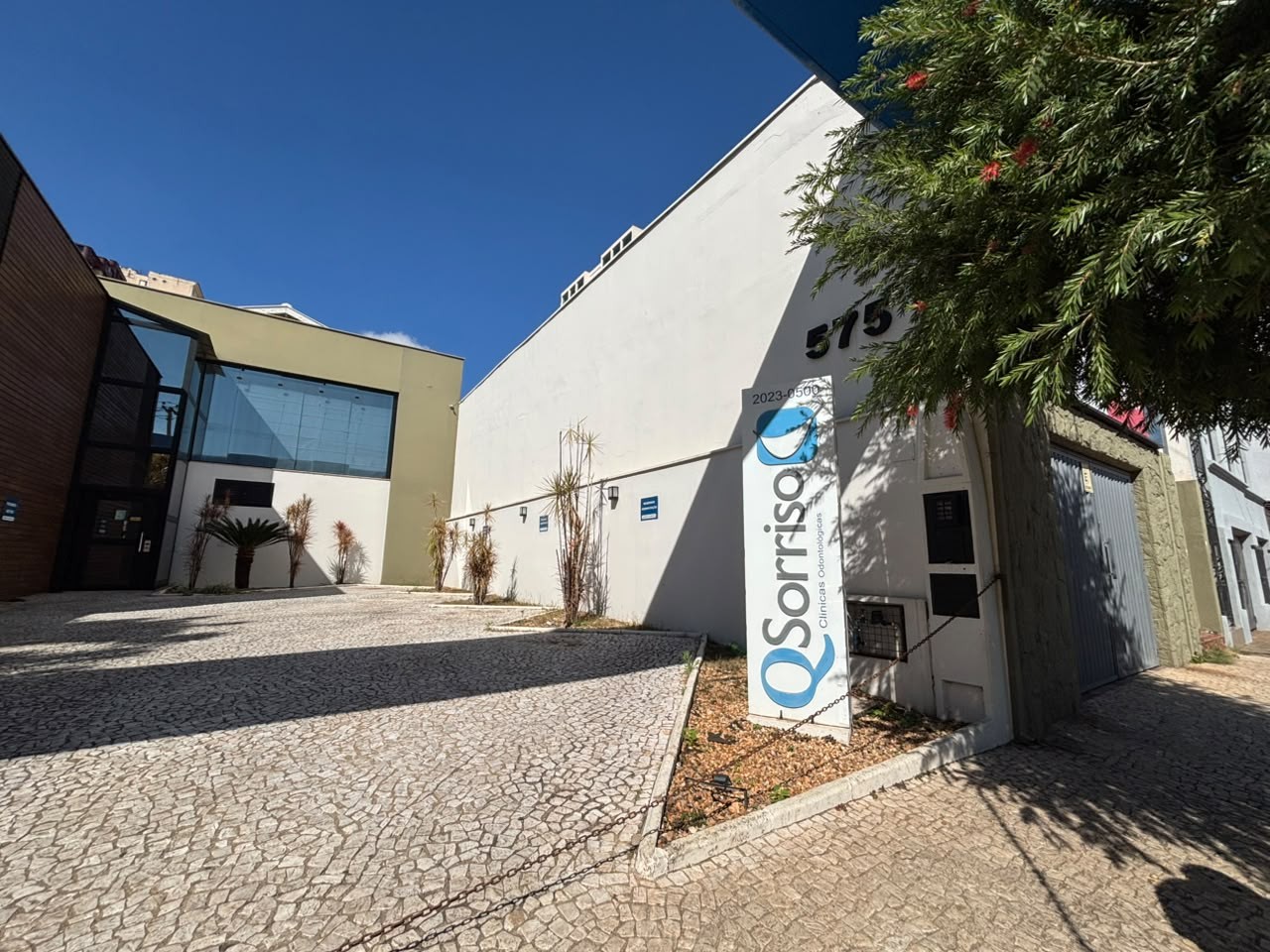
Numerous patients in Piracicaba, Brazil, are reporting that the dental clinic QSorriso abruptly closed its doors on Monday, June 6th, leaving many treatments unfinished. Juliana Piovesan, 40, is one of the affected clients who paid R$ 13,589 for a package of services, including a root canal, six implants, and orthodontic braces for her son. While the root canal was completed, allowing her to donate a kidney to her brother, the remaining procedures, including four implant placements, have been halted. She has been attempting to get follow-up appointments for three months, but the clinic has been canceling them. Her son is reportedly experiencing mouth injuries due to the lack of orthodontic maintenance. The clinic allegedly collected biometric data from Juliana's father for a financing agreement with a partner company, resulting in a R$ 567 monthly payment that constitutes a third of their household income.
Prior to its public closure, QSorriso had ceased operations with the Regional Dentistry Council (CRO) on May 11, 2026, making it illegal to practice. The Civil Police are now investigating the clinic for potential fraud or breach of contract. At least seven police reports have been filed, and the consumer protection agency Procon has recorded 216 complaints against the Piracicaba unit since 2014. The clinic's legal entity, L & K Martinez Serviços de Saúde Ltda, is involved in over 70 lawsuits in the São Paulo Court of Justice, citing abusive practices, material damages, and contract rescission. Other patients, Marjorie Castro and Jhonas Stocco, described the clinic's strategy of attracting clients with free evaluations, significant initial discounts, and easy payment options, only to face scheduling issues and eventual service suspension. Customers found 'maintenance' notices and an 'for rent' sign on the premises in early July.
QSorriso claims the closure negotiations took 90 days and denies a lack of notice. The company stated that treatments will be completed by partner clinics starting July 20, 2026, and provided a WhatsApp number for inquiries, though they did not name the partner facilities. Regarding the Procon complaints, QSorriso contextualized the 216 reports against over 1.2 million appointments. They confirmed having CRO registration and defended their financing options as client-chosen.
This situation highlights systemic vulnerabilities in consumer protection within the healthcare sector, particularly concerning long-term service contracts and financing arrangements. The clinic's alleged abrupt closure and prior cessation of regulatory registration suggest a potential failure in corporate governance and ethical business practices. Patients' reliance on financing, often facilitated by clinic partners, creates a complex web of financial obligations that can persist even when services are discontinued. The investigation into potential fraud and breach of contract is crucial for establishing accountability. Moving forward, regulatory bodies may need to explore more robust oversight mechanisms for dental clinics, especially those engaging in extensive financing deals, to ensure patient continuity of care and financial recourse in cases of business failure. This scenario also underscores the importance of consumer due diligence when entering into significant financial commitments for health services, particularly those involving long-term treatment plans.
AI-generated to prompt reflection — not editorial opinion, not advice, not a statement of fact. How this works.