Piracicaba Extends HPV Vaccination Campaign for Youth Amid Low Initial Uptake
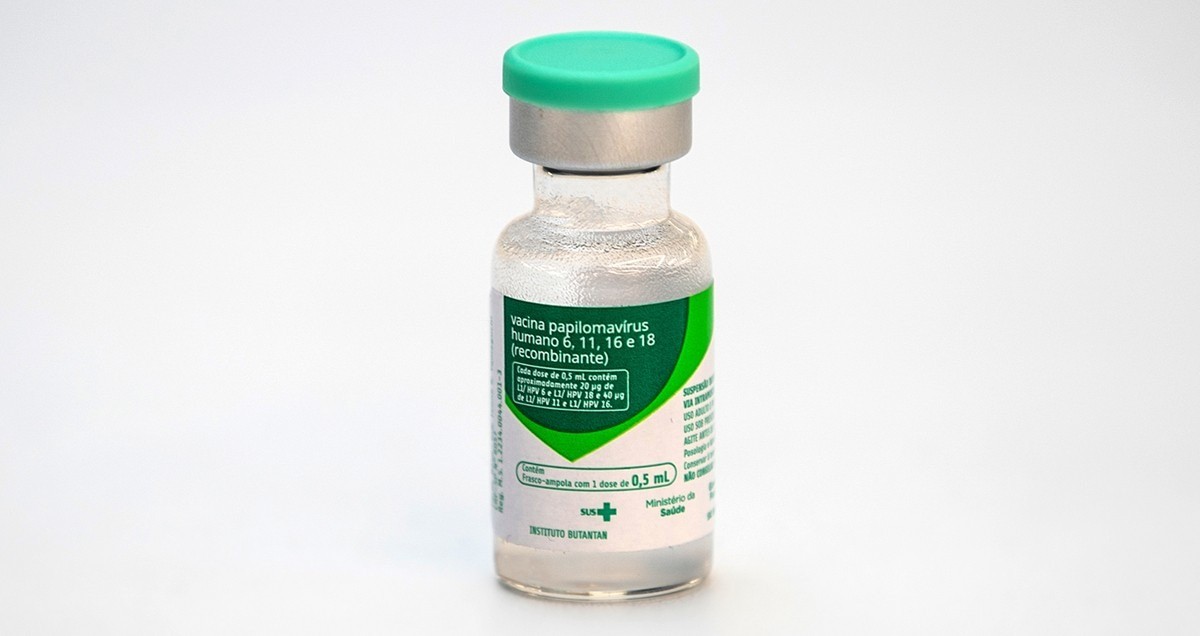
Piracicaba, São Paulo, has vaccinated 628 young individuals aged 15 to 19 against HPV since the campaign's launch in 2025. This represents a small fraction of the estimated 11,000 target residents in this age group. To address the low vaccination rate, the city announced on Wednesday, October 1st, that it is extending the HPV vaccination campaign until December 31, 2026. The campaign, initially slated to conclude in June, has been prolonged to increase coverage among this demographic. Data from the city indicates that by June 30th of this year, 402 males and 226 females within the 15-19 age bracket received the vaccine. The HPV vaccine is available at all basic health units in Piracicaba, excluding the Paulista Basic Health Unit. The Human Papillomavirus (HPV) is a primary cause of cervical cancer and is also linked to cancers of the anus, penis, vulva, vagina, mouth, and throat. Vaccination is most effective before the onset of sexual activity, as the virus is predominantly transmitted sexually. Since 2024, Brazil's Unified Health System (SUS) has provided a single-dose HPV vaccine for children and adolescents aged 9 to 14. The current "rescue strategy" temporarily expands this availability to unvaccinated individuals aged 15 to 19. Studies suggest the vaccine offers protection for at least 15 years, with expectations of even longer duration.
The extension of Piracicaba's HPV vaccination campaign highlights a common challenge in public health initiatives: achieving broad coverage within targeted demographics. The low initial uptake, with only 628 out of 11,000 eligible individuals vaccinated, suggests potential barriers such as awareness, accessibility, or hesitancy among this specific age group. Public health strategies must continually adapt to address these underlying factors. Looking ahead, understanding the long-term efficacy and potential need for booster doses will be crucial for sustained protection. Furthermore, the integration of HPV vaccination into routine healthcare, alongside robust educational outreach, is essential to normalize preventative health behaviors and combat vaccine-preventable diseases effectively over the next decade.
AI-generated to prompt reflection — not editorial opinion, not advice, not a statement of fact. How this works.