Piracicaba Implements Fines Up to R$3,000 for Illegal Dumping, Encourages Citizen Reporting
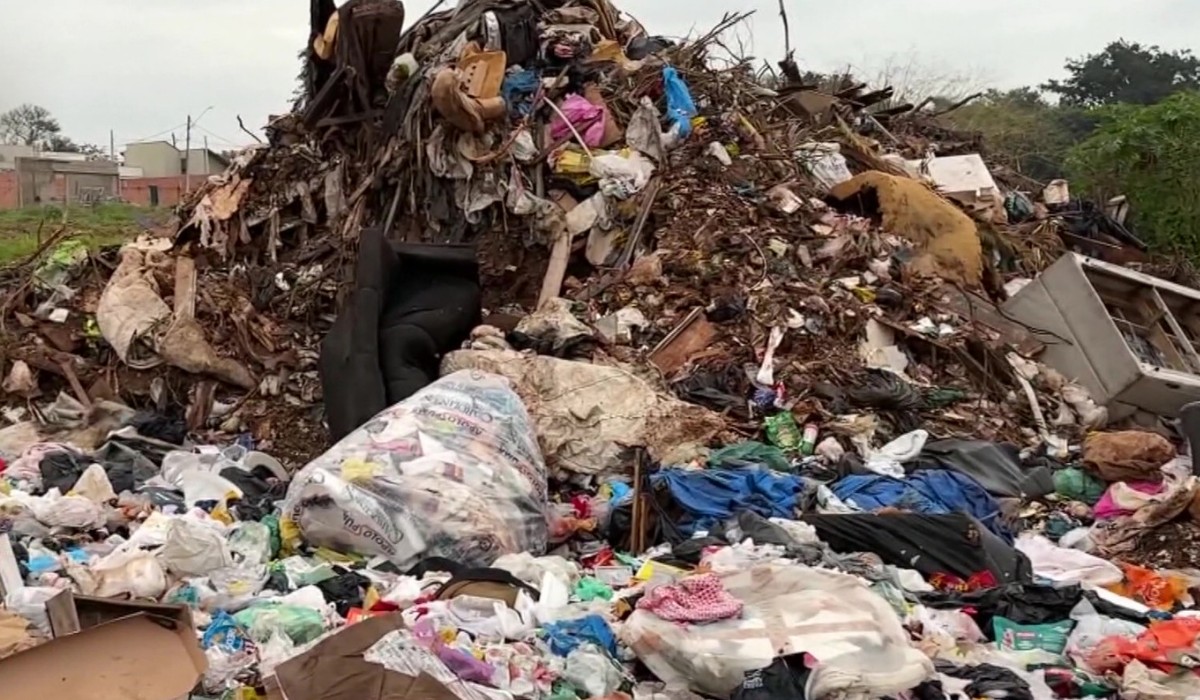
Piracicaba, São Paulo, Brazil, has enacted a new municipal law, effective June 2nd, to combat illegal waste and debris disposal. Residents can now submit photos and videos to the city government to report violations, a system termed "collaborative enforcement." This initiative also increases fines by 50%, with penalties ranging from R$1,000 to R$3,000 depending on the type of waste. Minor waste incurs a R$1,000 fine, construction debris, furniture, or bulky items result in a R$2,000 fine, and hazardous or medical waste carries a R$3,000 penalty. For legal entities, fines can be increased by up to 50%. The law aims to curb the accumulation of waste in public spaces, a persistent issue observed in areas like Avenida Rio das Pedras and near the Jardim Oriente Ecopoint. Reports submitted through the city's 156 service are forwarded to the Environmental Platoon for inspection and potential penalties. Denunciations are anonymous and protected under Brazil's General Data Protection Law (LGPD). To facilitate enforcement, citizens must provide the full address, a reference point, date, time, and contact information. Videos should be explanatory to aid in location and material identification. Submissions can be made via the Piracicaba City Hall website, by calling 156, or in person at the Civic Center, which operates weekdays from 8 AM to 5 PM.
The city of Piracicaba's new ordinance incentivizes citizen participation in environmental enforcement through a "collaborative" reporting system, coupled with significantly increased fines for illegal dumping. This approach leverages public awareness and technological tools to address a common urban challenge. By anonymizing reports and ensuring data privacy under LGPD, the city aims to maximize participation. The tiered fine structure, escalating with the hazard level of the waste, reflects a principle of proportional deterrence. Looking ahead, the success of this model will depend on the efficiency of the municipal environmental services in acting upon citizen reports and the sustained engagement of the community. It also highlights a broader trend of devolving certain public service oversight functions to the citizenry, a dynamic that could reshape urban governance and resource management in the coming decade.
AI-generated to prompt reflection — not editorial opinion, not advice, not a statement of fact. How this works.