Piracicaba Job Market Diverges: Industry Booms While Construction and Commerce Decline
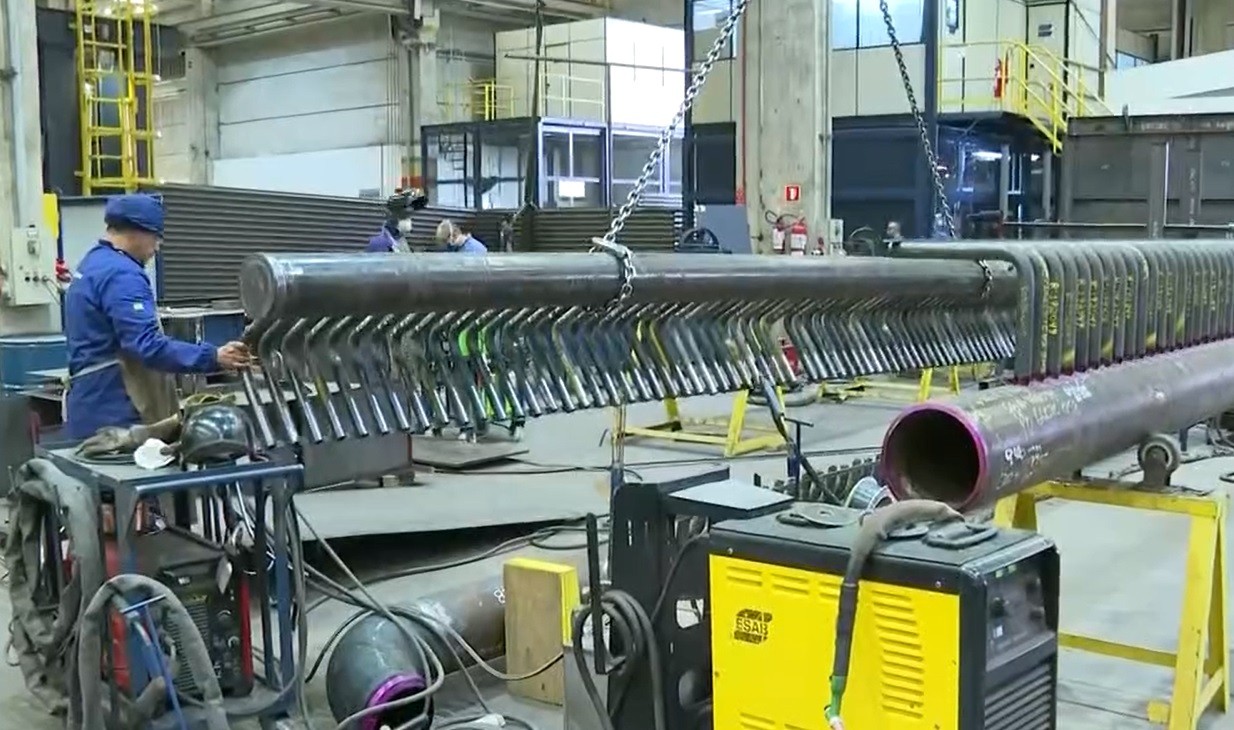
Piracicaba, Brazil, experienced a significant divergence in its job market during the first half of 2026. The industrial sector saw a remarkable surge in formal job creation, while the construction and commerce sectors witnessed a steep decline. Overall, the city generated 2,623 formal jobs between January and June 2026, a 9.5% decrease compared to the 2,899 jobs created in the same period of 2025. Data was released by the Ministry of Labor and Employment. The industrial sector's employment figures grew by an impressive 644% when comparing the first semesters of 2025 and 2026. Conversely, the construction sector experienced a 90.6% drop, and the commerce sector saw a 100.3% decrease, resulting in a net negative balance of hirings versus layoffs. Minister of Labor, Luiz Marinho, attributed the national slowdown in formal job creation to persistent high interest rates, despite recent reductions in the Selic rate by the Central Bank to 14.25% annually. He also cited the impact of tariffs imposed by the United States and ongoing conflicts in the Middle East and Ukraine as contributing factors. Despite these challenges, Minister Marinho acknowledged the positive industrial figures in Piracicaba, considering the prevailing economic difficulties.
The contrasting performance between Piracicaba's industrial sector and its construction and commerce segments highlights the impact of macroeconomic factors on different economic activities. While robust industrial growth suggests resilience or specific demand drivers within that sector, the sharp contractions in construction and retail point to sensitivity to interest rates, consumer confidence, and potentially global trade disruptions. The Minister's commentary on tariffs and international conflicts underscores the interconnectedness of local economies with geopolitical events and trade policies. This situation presents a trade-off between sectors, where policy interventions aimed at stimulating broad economic recovery might disproportionately benefit some industries while penalizing others, necessitating nuanced approaches to ensure balanced and sustainable employment growth over the next decade.
AI-generated to prompt reflection — not editorial opinion, not advice, not a statement of fact. How this works.