Piracicaba Market Rebuilding Progress One Year After Devastating Fire
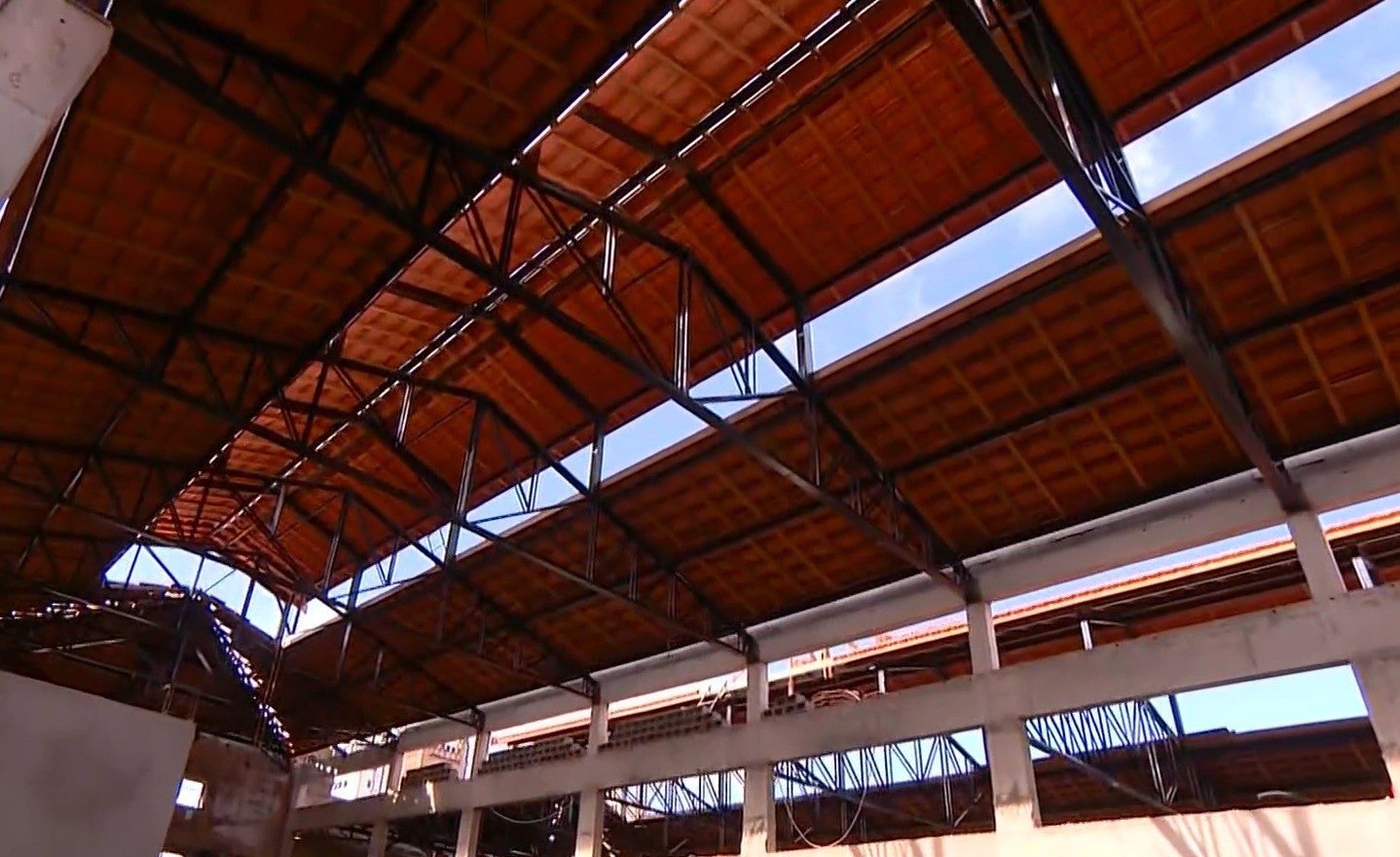
One year after a major fire ravaged the historic Mercado Municipal de Piracicaba, merchants continue to operate from temporary stalls in the parking lot, awaiting their return to the main building. The fire, which occurred on July 23, 2025, destroyed 25% of the 138-year-old, culturally significant landmark, impacting 17 businesses. The initial reconstruction phase, covering demolitions, structural repairs, and utility system replacements, was funded by insurance at a cost of R$2.4 million. However, an additional R$1.7 million is needed to complete the rebuilding. To address this, the Piracicaba City Council approved a R$1 million allocation from the municipality, sanctioned by the mayor on July 14, 2026. The Municipal Market Retailers Association is now tasked with raising the remaining R$745,000. Merchants like Eliane dos Santos, who has worked at the market for 36 years, and Iara Silva, who cited storage issues and lost sales due to the temporary setup, express a strong desire to return to their original spaces. The market, a vital part of Piracicaba's identity and a tourist draw, is expected to see reconstruction completed by the end of 2026. The financial arrangement reflects the market's management structure, where the city owns the property but private administration, through the association, handles maintenance and improvements.
The rebuilding of the Mercado Municipal de Piracicaba highlights the complex interplay between historical preservation, municipal governance, and private commercial interests. The reliance on insurance and public funds for reconstruction, coupled with the ongoing need for private fundraising by the merchants' association, reveals a common challenge in maintaining heritage sites. The delay in full restoration and the operational disruptions faced by vendors underscore the economic vulnerabilities inherent in such events. Looking ahead, the incident prompts consideration of enhanced disaster preparedness and resilient infrastructure for cultural landmarks, particularly as climate-related risks may increase. The financial model, where the city provides capital while the association manages operations, warrants examination for long-term sustainability and equitable risk-sharing in future urban development and heritage management.
AI-generated to prompt reflection — not editorial opinion, not advice, not a statement of fact. How this works.