Piracicaba Municipality Pays Over R$100,000 for Environmental Services
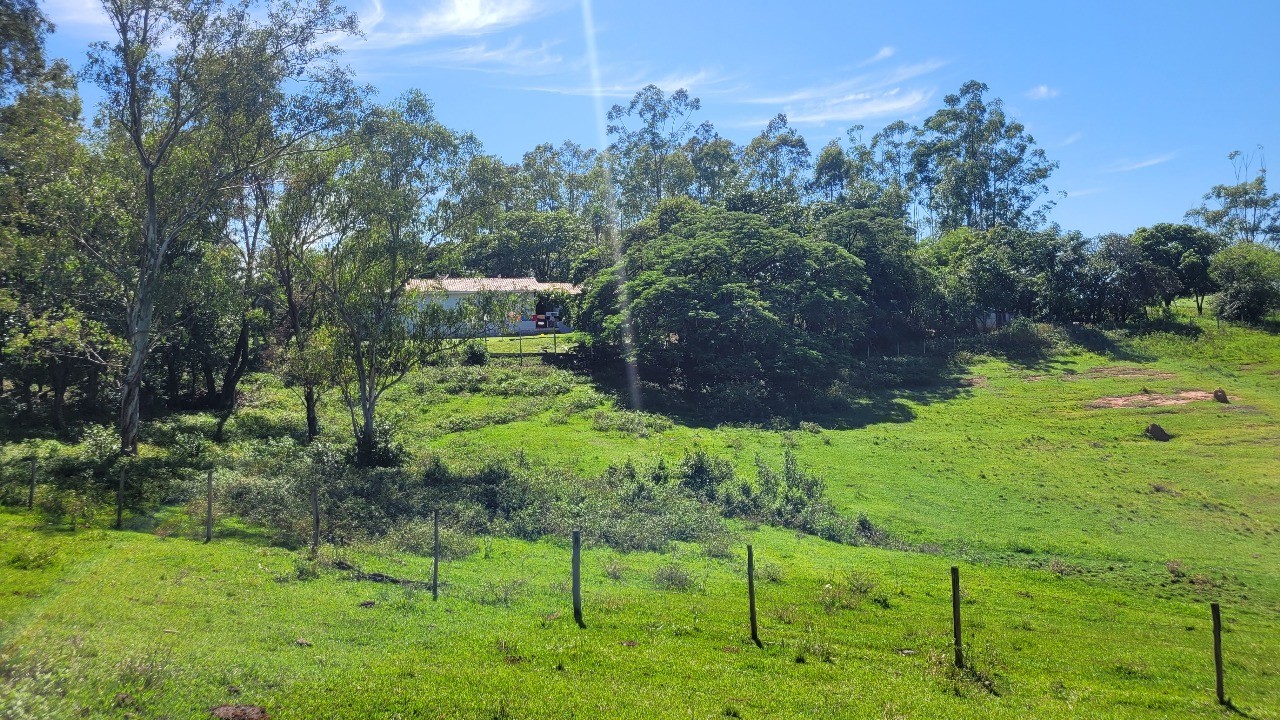
A rural property in Piracicaba, Brazil, received R$106,407.70 from the municipality in 2025, the largest payment to date under the Municipal Program for Payment for Environmental Services (PSA). This program, established in 2018, compensates landowners for preserving native forests, conserving soil, and managing waste correctly. The goal is to ensure water supply for the city by incentivizing environmental protection across four priority micro-watersheds. The top recipient is a 459.27-hectare farm in the Ribeirão Congonhal micro-watershed, recognized for protecting 49.38 hectares of native vegetation, implementing conservation practices on 293.32 hectares, and ensuring proper waste disposal. The PSA program, managed by the Municipal Secretariat of Agriculture, Supply, and Environment, currently focuses on the Ribeirão dos Marins, Congonhal, Córrego Tamandupá, and Paredão Vermelho micro-watersheds. Participation is voluntary, requiring landowners in priority areas to submit environmental projects for evaluation and technical inspection. Payment amounts are determined by legislation based on the type and extent of environmental services provided. Initially, in 2018, 12 properties received R$48,000, but by 2025, participation grew to 20 properties with a total allocation of R$305,000. The program is primarily funded by municipal resources, though it can accept funds from other sources like penal transactions and environmental compensations. Future plans include engaging 52 new rural property owners through a partnership with the PCJ Committees and conducting academic research with Esalq/USP to improve program participation. The municipality is also prioritizing family farms and smaller properties in resource distribution, as per decree nº 21.059.
The Piracicaba municipality's Payment for Environmental Services (PSA) program demonstrates a proactive approach to water resource management by leveraging market-based incentives for conservation. This model internalizes the positive externalities of environmental stewardship, aligning private landholder interests with public water security goals. The program's expansion from 2018 to 2025, both in participant numbers and financial allocation, suggests growing recognition of its efficacy. Future challenges may involve ensuring equitable distribution of funds, particularly with the stated priority for family farms, and securing diverse, sustainable funding streams beyond municipal budgets to support long-term program viability and scale. The partnership with Esalq/USP is a critical step in refining the policy's design, aiming to optimize landowner engagement and environmental outcomes in the face of evolving ecological and economic pressures.
AI-generated to prompt reflection — not editorial opinion, not advice, not a statement of fact. How this works.