Piracicaba Offers Voluntary Resignation Plan with Service-Time Bonuses for Municipal Employees
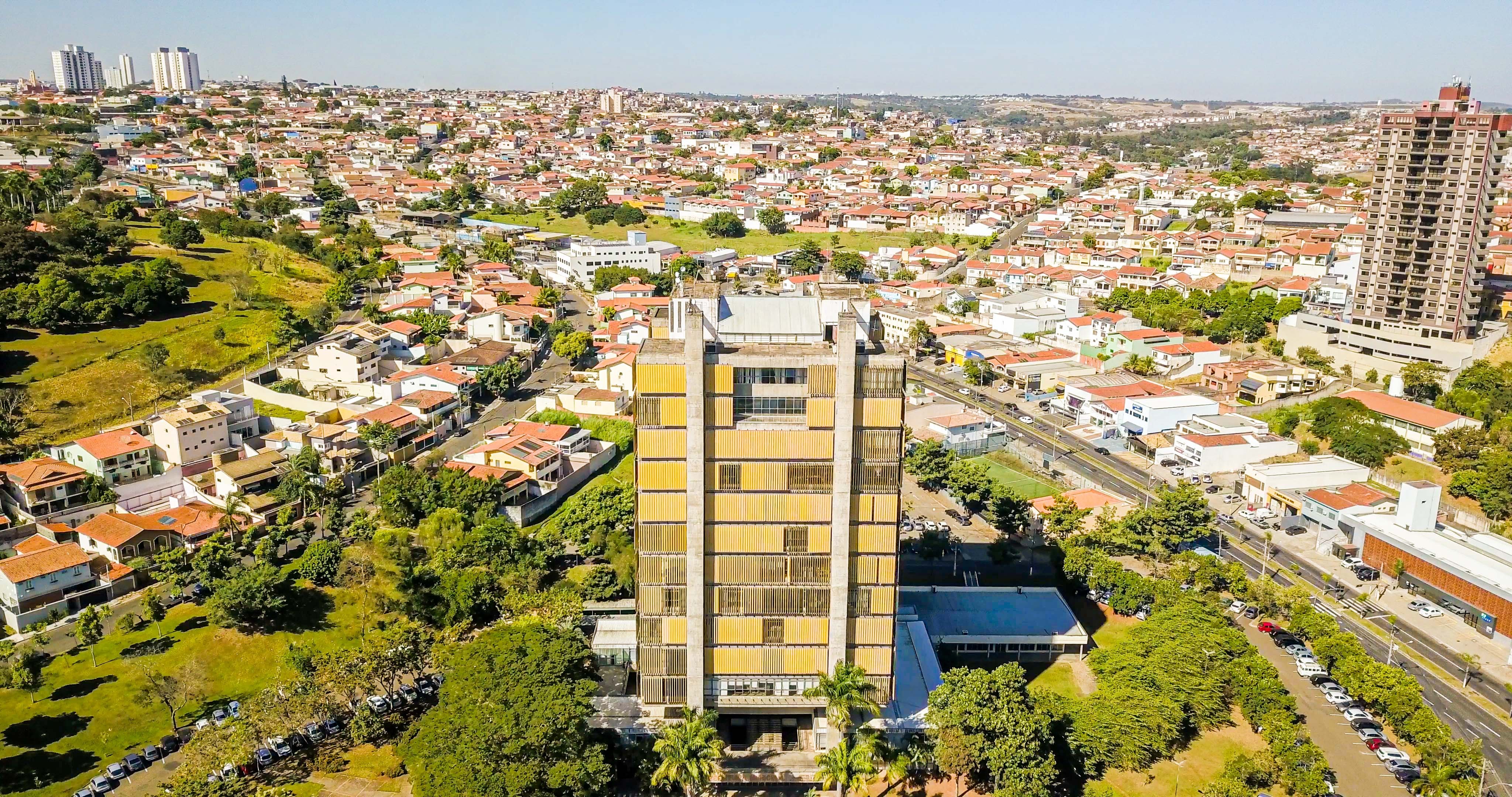
The Municipality of Piracicaba, São Paulo, has implemented a Voluntary Resignation Plan (PDV) for its municipal employees, formalized by Complementary Law No. 494. Signed by Mayor Helinho Zanatta (PSD) and published on Monday, May 27th, the plan is valid for 120 days and allows employees to permanently leave municipal public service. In addition to standard severance pay, participants will receive a financial incentive based on their years of service. This voluntary program is open to employees of the direct and indirect administration, including both statutory employees and those hired under the CLT labor laws. It also applies to entities such as the Municipal Water and Sewerage Service (Semae), the Municipal Employees' Social Security and Assistance Institute (Ipasp), and the Piracicaba Municipal Teaching Foundation (Fumep). However, individuals convicted by the courts to forfeit their positions are ineligible. The municipality stated the PDV aims to modernize management and enhance fiscal sustainability, with indemnities funded by the municipal budget and autarchy resources. The incentive structure varies by tenure: up to 3 years of service receives standard severance; 3-5 years gets severance plus twice the last salary; 5-10 years receives severance plus four times the last salary; 10-15 years gets severance plus six times the last salary; 15-20 years receives severance plus eight times the last salary; and over 20 years gets severance plus ten times the last salary. Retired or soon-to-be-retired employees are eligible for an additional month's salary on top of their service-time bonus. The PDV application period is 120 days, potentially renewable once for another 120 days within two years, at the municipality's discretion. Applications may be denied if the employee's departure jeopardizes essential public services. Once approved, resignation is irrevocable. Periods of leave for INSS or Ipasp benefits, family care, or unpaid leave will not count towards the incentive calculation. Participants are barred from re-employment in the same position for two years, with exceptions for appointed positions.
Piracicaba's Voluntary Resignation Plan introduces a financial incentive structure designed to reduce the municipal workforce, ostensibly for modernization and fiscal sustainability. The tiered bonus system, directly correlating payouts with years of service, aims to attract longer-tenured employees who may represent higher salary costs. This approach highlights a common municipal strategy to manage personnel expenses and potentially streamline operations in the face of evolving public service demands. The plan's limitations, such as excluding periods of leave from calculations and prohibiting re-hiring for two years, suggest an effort to control costs and prevent immediate rehiring. The inclusion of renewal clauses and the municipality's right to deny applications indicate a flexible approach to workforce reduction, allowing for adjustments based on service continuity needs and budgetary realities. As AI continues to automate administrative tasks, such workforce adjustments may become more prevalent across public sectors, prompting a re-evaluation of optimal staffing levels and the long-term impact of such voluntary exit programs on institutional knowledge and service delivery.
AI-generated to prompt reflection — not editorial opinion, not advice, not a statement of fact. How this works.