Piracicaba: Over Half of Illegal Tree Trimming Complaints Lead to Fines
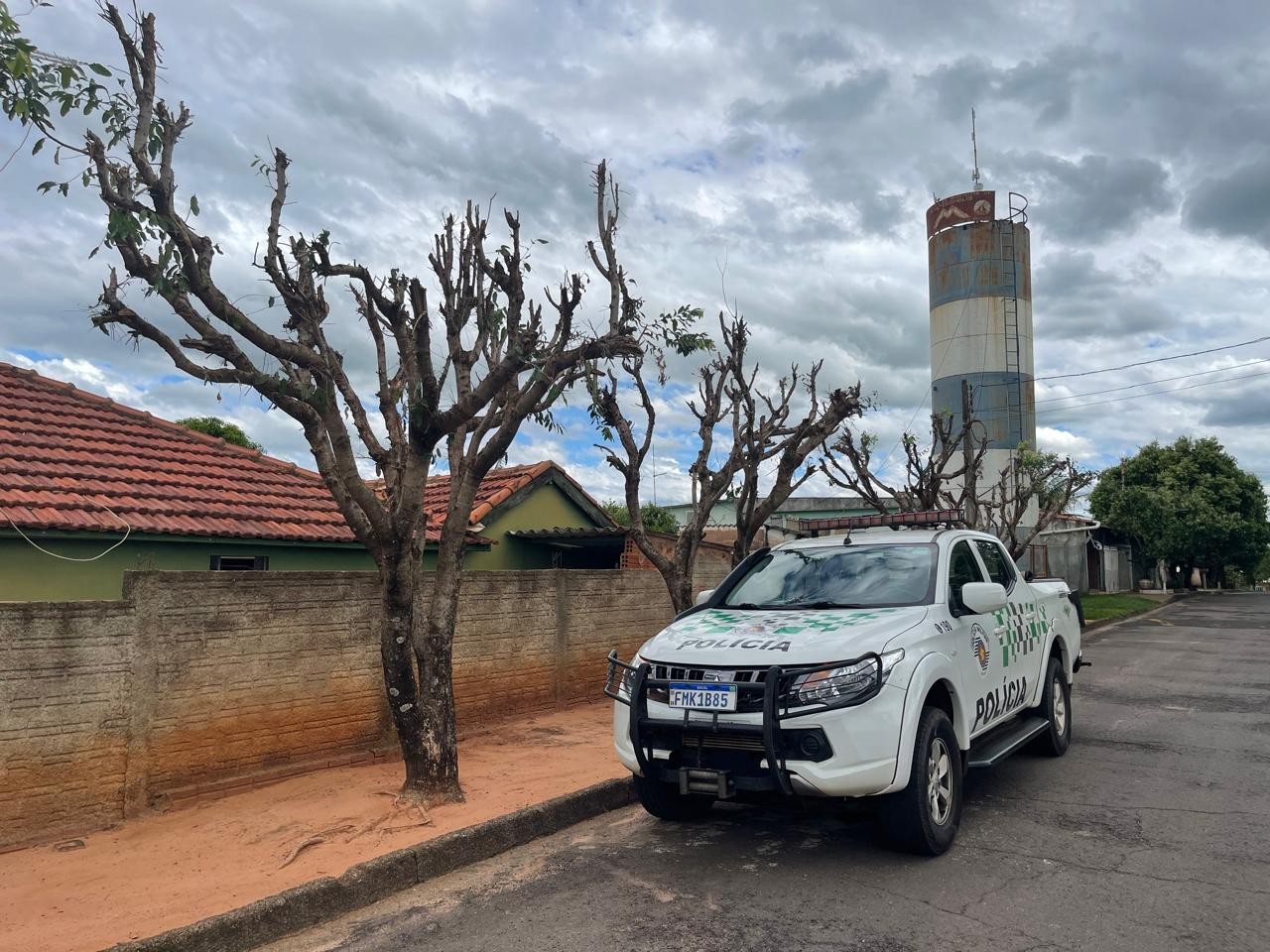
In Piracicaba, Brazil, more than half of the complaints filed regarding drastic tree pruning over the past five years have resulted in fines. A review by the Municipal Guard's Environmental Unit revealed that 248 out of 436 reported cases of irregular tree cutting led to official citations. This accounts for 56% of all complaints during this period. The penalty for illegally cutting trees on public property in Piracicaba is R$1,405.14.
The Environmental Unit noted that detailed statistics by neighborhood are unavailable, but stated that such incidents are typically more common during the rainy season. Drastic pruning, defined as removing 30% of a tree's canopy volume, is only permitted under exceptional circumstances, such as severe physical damage, disease affecting the canopy, or imminent safety risks to people and property, according to municipal law. Residents can report irregular pruning by calling 153 (Civil Guard) or 156 (Population Information Service), or via the online SIP 156 portal. Providing evidence like photos, videos, and vehicle license plates is encouraged.
If an illegal pruning is witnessed in progress, residents are advised to immediately contact 153 so the Environmental Unit can be dispatched. A protocol number is generated for each report, and its progress can be tracked through the city's "Sem Papel" system. The municipality aims to inspect the site and take administrative action within one to seven days if the irregularity is confirmed. For necessary pruning, such as branches interfering with power lines or posing a fall risk, residents must obtain prior authorization through the "Sem Papel" portal and submit required documentation, rather than acting independently.
This data highlights a municipal enforcement challenge where a significant percentage of reported environmental infractions, specifically concerning tree pruning, are being penalized. The substantial number of fines indicates a consistent issue with unauthorized tree cutting, potentially driven by a combination of public awareness of regulations and the perceived benefits or necessities of pruning by individuals or entities. The R$1,405.14 fine serves as a deterrent, yet the volume of violations suggests that the current penalties or enforcement mechanisms may not be fully dissuading such actions. Future policy considerations could explore enhanced public education campaigns on proper arboricultural practices, tiered penalty structures based on the severity of the infraction, or incentivizing compliant behavior to foster a more sustainable urban environment.
AI-generated to prompt reflection — not editorial opinion, not advice, not a statement of fact. How this works.