Piracicaba Region Leads São Paulo in Spotted Fever Cases and Deaths for 2026
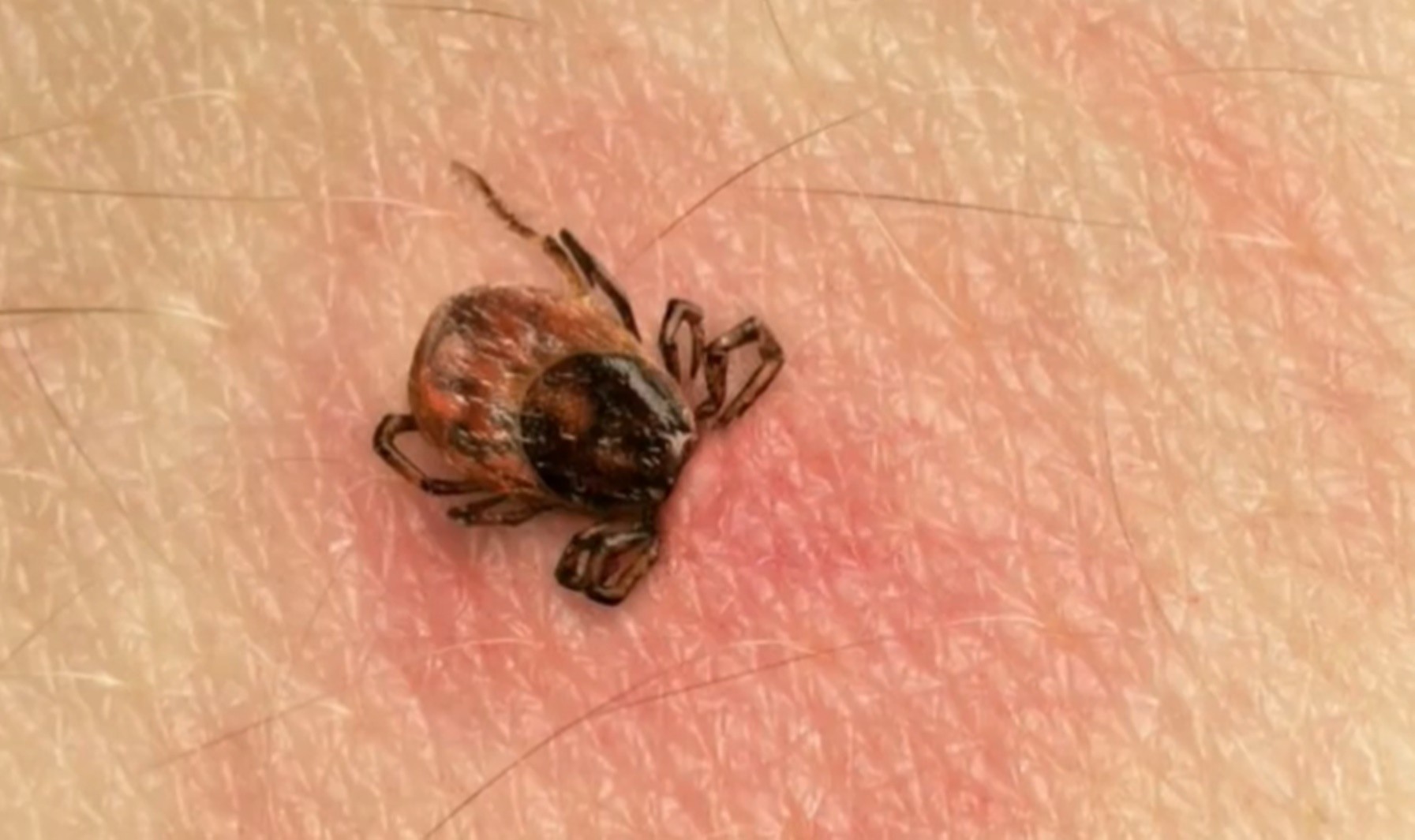
The Piracicaba region in São Paulo state is among those with the highest number of reported cases and fatalities from spotted fever in 2026, according to data released by the State Secretariat of Health. Across São Paulo, 18 cases have been recorded this year, with 17 resulting in death. The regions of Piracicaba, Campinas, and Sorocaba are leading in both confirmed cases and deaths. Specifically, Piracicaba, Campinas, and Sorocaba each have three confirmed cases, while Piracicaba and Sorocaba each report three deaths, and Campinas has two. The probable locations of infection for the remaining cases are still under investigation. Spotted fever, caused by a bacterium transmitted by the star tick, presents symptoms including intense headache, fever, nausea, vomiting, diarrhea, abdominal pain, muscle aches, and swelling and redness of the hands and feet. In severe cases, gangrene and paralysis can occur, potentially leading to respiratory failure. The incubation period ranges from two to 14 days after a tick bite. Prevention involves avoiding grassy and wooded areas, especially near water bodies, and taking precautions such as wearing light-colored clothing, using tick repellent, and carefully removing any attached ticks. Promptly showering and using a loofah after visiting risk areas is also recommended.
The high concentration of spotted fever cases and fatalities in the Piracicaba region highlights the critical need for enhanced public health surveillance and targeted vector control strategies. While the report details symptoms and prevention methods, it underscores a systemic challenge in managing tick-borne diseases in areas with specific ecological conditions favorable to the star tick. Future public health initiatives should focus on understanding the environmental and socioeconomic factors contributing to these outbreaks, potentially through integrated pest management programs and community education campaigns that go beyond individual preventive measures to address broader environmental risks and access to timely medical care.
AI-generated to prompt reflection — not editorial opinion, not advice, not a statement of fact. How this works.