Piracicaba Region Roads Expect 396,000 Vehicles for July 9th Holiday
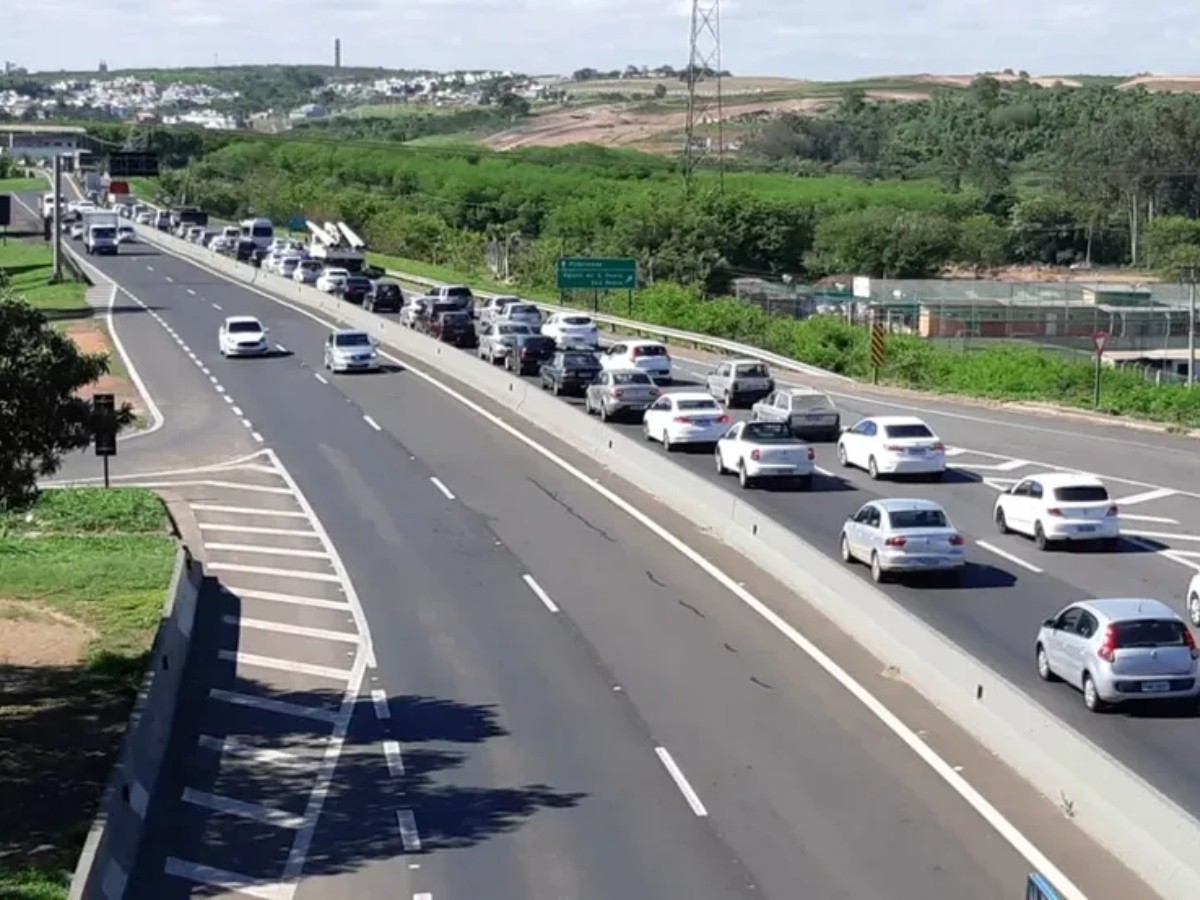
Major highways in the Piracicaba region of São Paulo are anticipating a significant increase in traffic, expecting approximately 396,000 vehicles between Wednesday, July 8th, and Sunday, July 12th, due to the July 9th state holiday commemorating the 1932 Constitutionalist Revolution. The Eixo SP concessionaire, managing several key routes including SP-304 and SP-310, projects 156,000 vehicles, a 28% rise from normal days, with peak times identified for Wednesday evening, Thursday morning, and Sunday afternoon. To mitigate congestion, Eixo SP has restricted non-emergency roadwork. Other routes like the Rodovia de Açúcar (SP-308) and SP-101, managed by Rodovias do Tietê, anticipate 84,000 and 50,000 vehicles respectively, with their own peak travel hours. Via Colinas expects 106,000 vehicles on its managed stretch of SP-127, with peak periods also noted for Wednesday, Thursday, and Sunday. Drivers are strongly advised to perform vehicle maintenance, ensure documentation is in order, avoid alcohol, use seatbelts, obey speed limits, and only stop in emergencies. In addition to road traffic, bus terminals in Piracicaba and Limeira are also expecting higher passenger volumes. Piracicaba's terminal anticipates around 20,000 passengers, with peak travel on Thursday afternoon, Friday morning, and all day Sunday, serving destinations like São Paulo city and the coast. Limeira's terminal expects a 20-39% increase in passengers, totaling 650, with busy periods on Wednesday evening, Thursday morning, and Sunday afternoon/evening, primarily serving regional destinations and cities like Brasília and Rio de Janeiro. Passengers are urged to arrive early for departures and purchase tickets in advance.
The anticipated surge in vehicle and passenger traffic for the July 9th holiday highlights the recurring challenge of managing seasonal mobility demands on Brazil's infrastructure. Concessionaires' proactive measures, such as restricting roadwork and providing traffic forecasts, aim to optimize flow and safety. The parallel increase in bus terminal activity underscores the integrated nature of holiday travel. Future planning could explore dynamic pricing or staggered holiday periods to further distribute demand, potentially reducing peak congestion and improving the overall travel experience. Examining the long-term impact of such predictable travel spikes on road maintenance schedules and public transport capacity will be crucial for sustainable infrastructure management in the coming decade.
AI-generated to prompt reflection — not editorial opinion, not advice, not a statement of fact. How this works.