Piracicaba Releases Urban Tree Planting Guide for Streets and Sidewalks
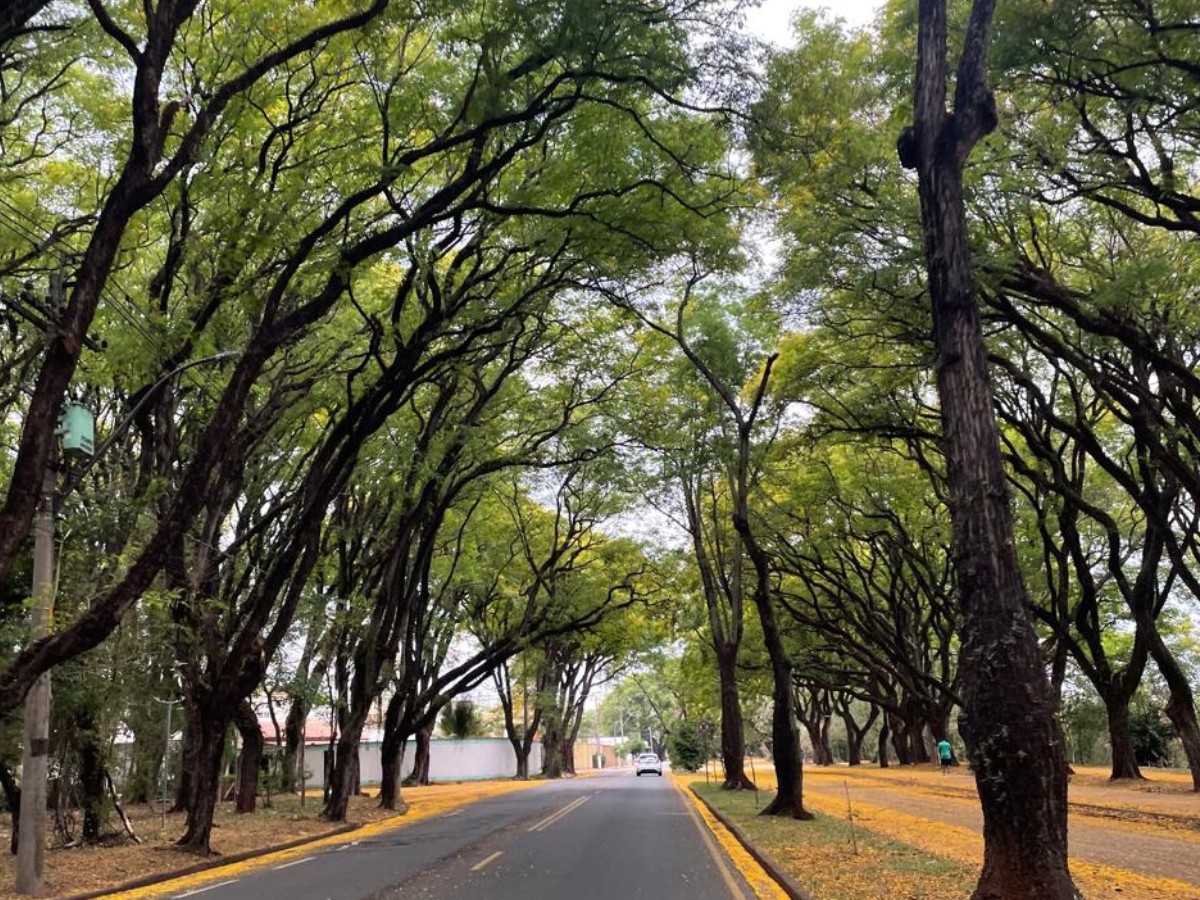
The Municipality of Piracicaba, Brazil, has launched a new Urban Arborization Manual, providing guidelines for planting and maintaining trees within the city. This comprehensive document advises residents on selecting appropriate native and exotic tree species for various urban settings, including streets, squares, parks, and protected areas. The manual is freely accessible on the Piracicaba City Hall website.
A significant focus of the manual is on public thoroughfares, categorizing recommended species by size: small-statured trees for narrow sidewalks and areas under power lines, medium and large-statured trees for general urban planting, and very large native trees suitable for roundabouts and expansive medians. It also details proper planting techniques, emphasizing consideration for underground infrastructure like pipes and overhead elements such as wiring to prevent damage and accidents.
The responsibility for urban trees is shared: the City Hall is tasked with planning, implementation, conservation, and oversight, including selecting species and performing necessary pruning or removal. The local energy concessionaire, CPFL, is responsible for pruning trees solely to maintain clearance around electrical grids. Residents are expected to care for trees on their property, report issues, and monitor the actions of both the City Hall and CPFL, while requiring municipal authorization for any planting, pruning, or removal activities. The manual highlights the benefits of urban trees, such as providing shade, reducing local temperatures and noise pollution, filtering air pollutants, aiding in rainwater drainage, supporting wildlife, enhancing the city's aesthetic appeal, and potentially increasing property values.
This initiative by Piracicaba to standardize urban tree planting addresses the critical need for sustainable urban development and climate resilience. By providing clear guidelines, the municipality aims to mitigate potential conflicts between urban infrastructure and vegetation, thereby reducing maintenance costs and public safety risks. The shared responsibility model, while promoting community engagement, necessitates robust oversight to ensure consistent application and prevent unauthorized actions. Looking ahead, such frameworks are essential for cities navigating the challenges of increasing urbanization and the imperative to integrate green infrastructure, which offers significant co-benefits for public health, biodiversity, and thermal comfort in the face of climate change.
AI-generated to prompt reflection — not editorial opinion, not advice, not a statement of fact. How this works.