Piracicaba Residents Report Property Damage After Municipal Works
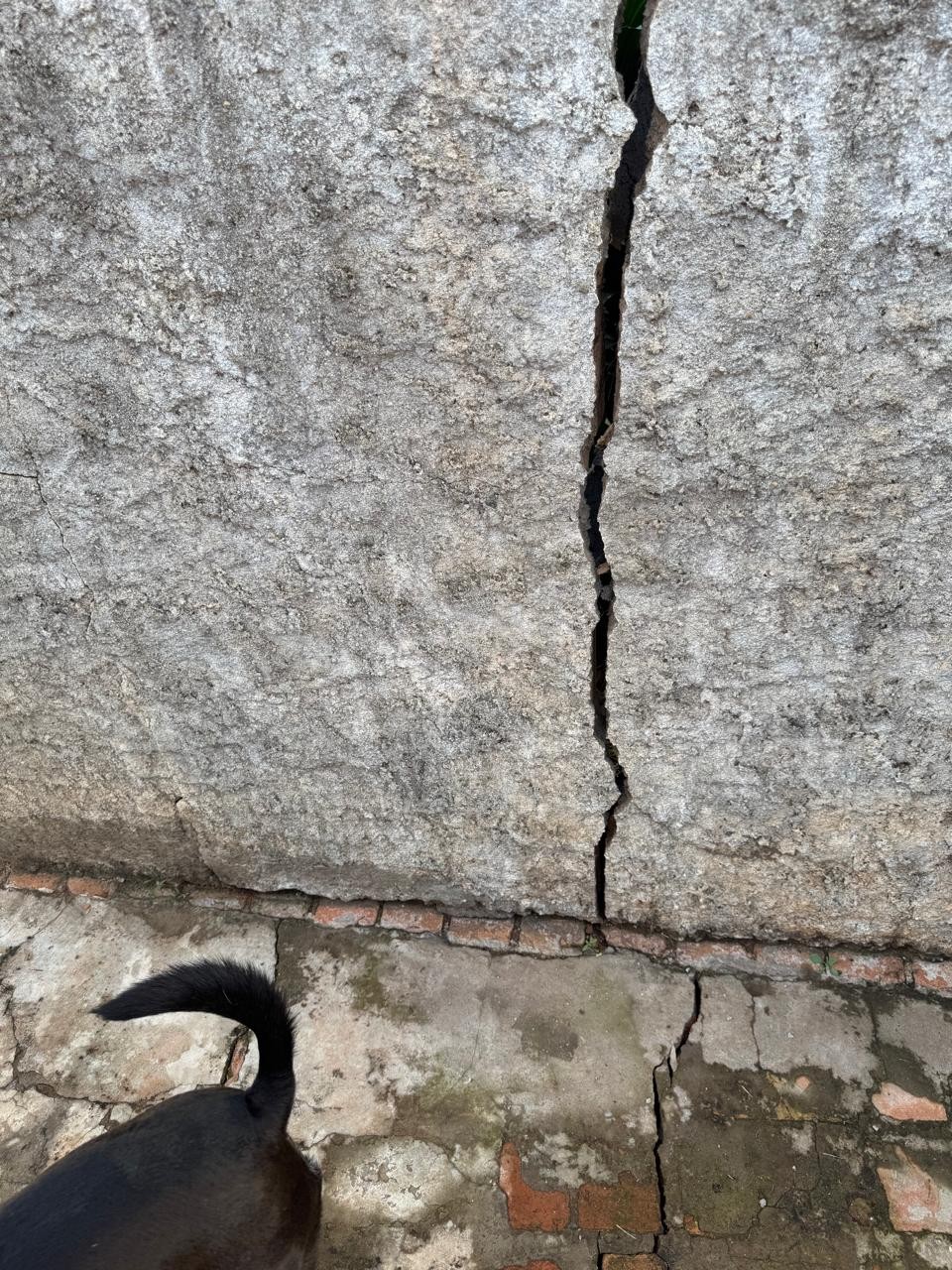
Residents in the Unileste neighborhood of Piracicaba, Brazil, are expressing concern over significant cracks appearing in their homes and properties. Some of these fissures measure up to 4.5 centimeters in width, affecting walls, foundations, and even the asphalt on the street. At least five residences have reportedly sustained damage. The issues arose following construction work involving the municipal water and sewage service (Semae) and the concessionaire Mirante. Agronomist José Roberto Ferreira, one of the affected residents, stated that a water pipe rupture occurred during the works, and the delay in repairs exacerbated erosion. System analyst Felipe Wills reported a 4.5-centimeter crack in his property's wall, which he claims is widening and appeared after maintenance on the sewage network led to a water leak. Residents also complain about the poor execution of the work, citing instances where heavy machinery damaged property boundaries. Semae acknowledged a network rupture on July 12, which was repaired the same day despite heavy rains, noting the complexity of services in the narrow, unpaved street. They stated they would assess the damage to a specific wall located 100 meters from their work area and implement corrective measures if necessary. Mirante, however, denied any connection between their sanitation system improvement works, completed on July 7, and the reported damages, asserting their project did not cover the affected areas.
The situation in Piracicaba highlights potential systemic issues in municipal infrastructure projects, particularly concerning coordination between utility providers and the impact on private property. When construction activities, such as pipe repairs or network upgrades, lead to property damage, it raises questions about oversight, risk assessment, and accountability in the project execution phases. The differing accounts from Semae and Mirante suggest a need for clearer communication protocols and potentially independent technical assessments to determine the root cause of the damage and establish liability. Future infrastructure projects could benefit from enhanced pre-construction surveys, real-time monitoring of ground stability, and more robust community engagement to mitigate such disputes and ensure public trust in utility service providers.
AI-generated to prompt reflection — not editorial opinion, not advice, not a statement of fact. How this works.