Piracicaba's 259th Anniversary: Recalling River Trampolines, Car Races, and a Forbidden Waterfall
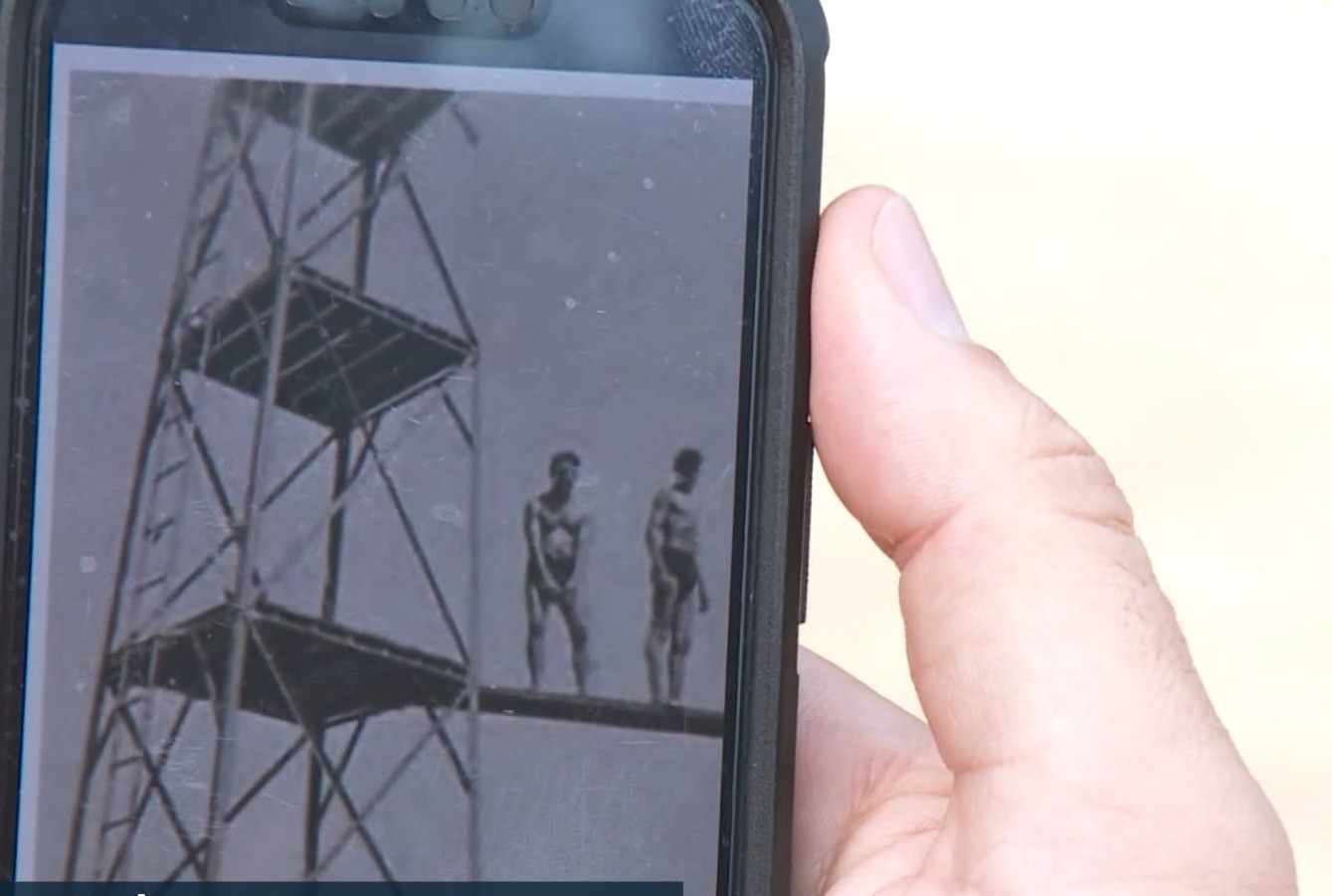
Piracicaba, São Paulo, is celebrating its 259th anniversary with a look back at its rich history and cherished memories. Once a popular spot for recreation, the Rua do Porto area, now a bustling gastronomic hub, featured a trampoline near the fisherman's ramp. This trampoline was a significant attraction for about three decades, from the 1950s to the 1980s, before it rusted and collapsed. Local fisherman and boat pilot Luís Fernando Magossi recalled how the structure eventually became dangerously inclined and had to be dismantled.
Another vivid memory from the city's past involves car races held on the Avenida Armando de Salles Oliveira, a major thoroughfare. Benedito Gianetti Júnior reminisced about watching races as a child, noting the unique challenges of the course, which included crossing train tracks. Barriers made of compressed sugarcane waste were used to protect spectators and participants. These races eventually ceased due to accidents and rollovers, leading to the development of a dedicated autodrome and the preservation of racing tradition through the annual 100 Miles of Piracicaba event.
The campus of the University of São Paulo's Escola Superior de Agricultura Luiz de Queiroz (Esalq) once housed a frequently visited waterfall, known as the 'cachoeirinha da Luiz de Queiroz.' Journalist and writer Cecílio Elias Netto recalled it as a natural gem where skilled swimmers would dive from its heights. However, access to the waterfall is now prohibited to prevent drownings, preserving its natural beauty while ensuring public safety. These collected memories, gathered by EPTV and shared by residents, highlight the enduring connection to Piracicaba's past as the city marks its 259th year.
Piracicaba's anniversary celebration offers a lens into urban evolution, contrasting past recreational activities with present-day safety regulations and infrastructure. The shift from public, albeit potentially hazardous, attractions like the Rua do Porto trampoline and the Esalq waterfall to regulated events and restricted access reflects a broader societal trend prioritizing safety and managed public spaces. The historical car races on Avenida Armando de Salles Oliveira, replaced by a dedicated autodrome, illustrate the impact of increasing urbanization and safety standards on public infrastructure use. This evolution underscores the dynamic interplay between community heritage, public safety mandates, and the development of specialized facilities, prompting reflection on how cities balance historical identity with contemporary governance and risk management.
AI-generated to prompt reflection — not editorial opinion, not advice, not a statement of fact. How this works.