Piracicaba's Old Ring Road Faces Neglect: Overgrown Vegetation, Litter, and Lack of Shoulders
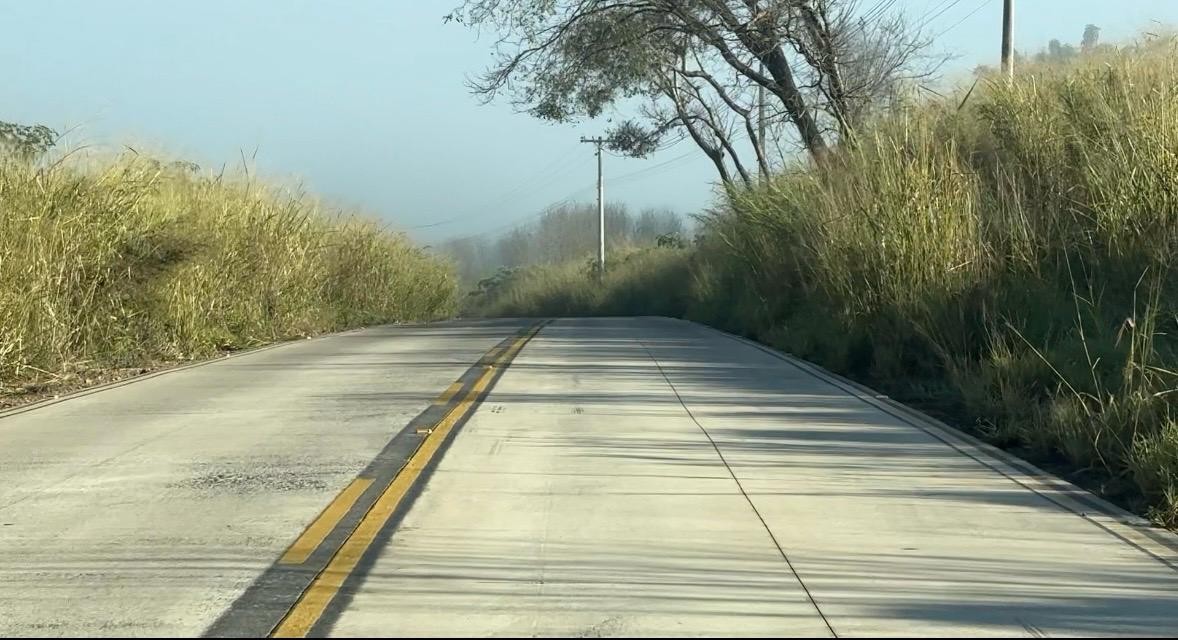
Drivers and cyclists in Piracicaba, São Paulo, are experiencing daily hazards on the old ring road due to overgrown vegetation, a lack of proper shoulders, and accumulated trash. This 4-kilometer stretch, which was repaved in 2024, connects the Luiz de Queiroz (SP-304) and Cornélio Pires (SP-147) highways. It also provides access to the Monte Alegre neighborhood, a tourist spot, and serves numerous businesses and residential areas.
The absence of maintenance creates dangerous conditions, preventing vehicles from safely pulling over in emergencies. Significant unevenness, with drops of nearly 10 centimeters between the road and the verge, is present, alongside illegally dumped waste and furniture. The situation is exacerbated at night due to poor lighting and signage, according to local merchant Priscila Rodrigues. Cyclists are forced onto the main roadway because the vegetation has blocked the bike lane, as reported by a resident to EPTV, an affiliate of TV Globo.
In response to these complaints, the Piracicaba City Hall's Secretariat of Works, Infrastructure, and Public Services stated that vegetation cutting on the shoulders is scheduled between July 20th and 24th, weather permitting. Regarding the road's unevenness, the municipality announced that an engineer will be dispatched to assess the situation.
The recent repaving of Piracicaba's old ring road, followed by apparent neglect in maintaining its shoulders and surrounding areas, highlights a common infrastructure management challenge. The disparity between investment in surface treatment and ongoing upkeep can lead to safety risks and diminished utility, particularly for vulnerable road users like cyclists. This situation raises questions about the long-term planning and resource allocation for public works, especially for routes serving both industrial and tourist functions. Future infrastructure strategies may benefit from integrating maintenance schedules and budgets more robustly from the outset of major rehabilitation projects to ensure sustained safety and functionality.
AI-generated to prompt reflection — not editorial opinion, not advice, not a statement of fact. How this works.