Piracicaba School Transport Shift Sparks Evasion and Safety Concerns
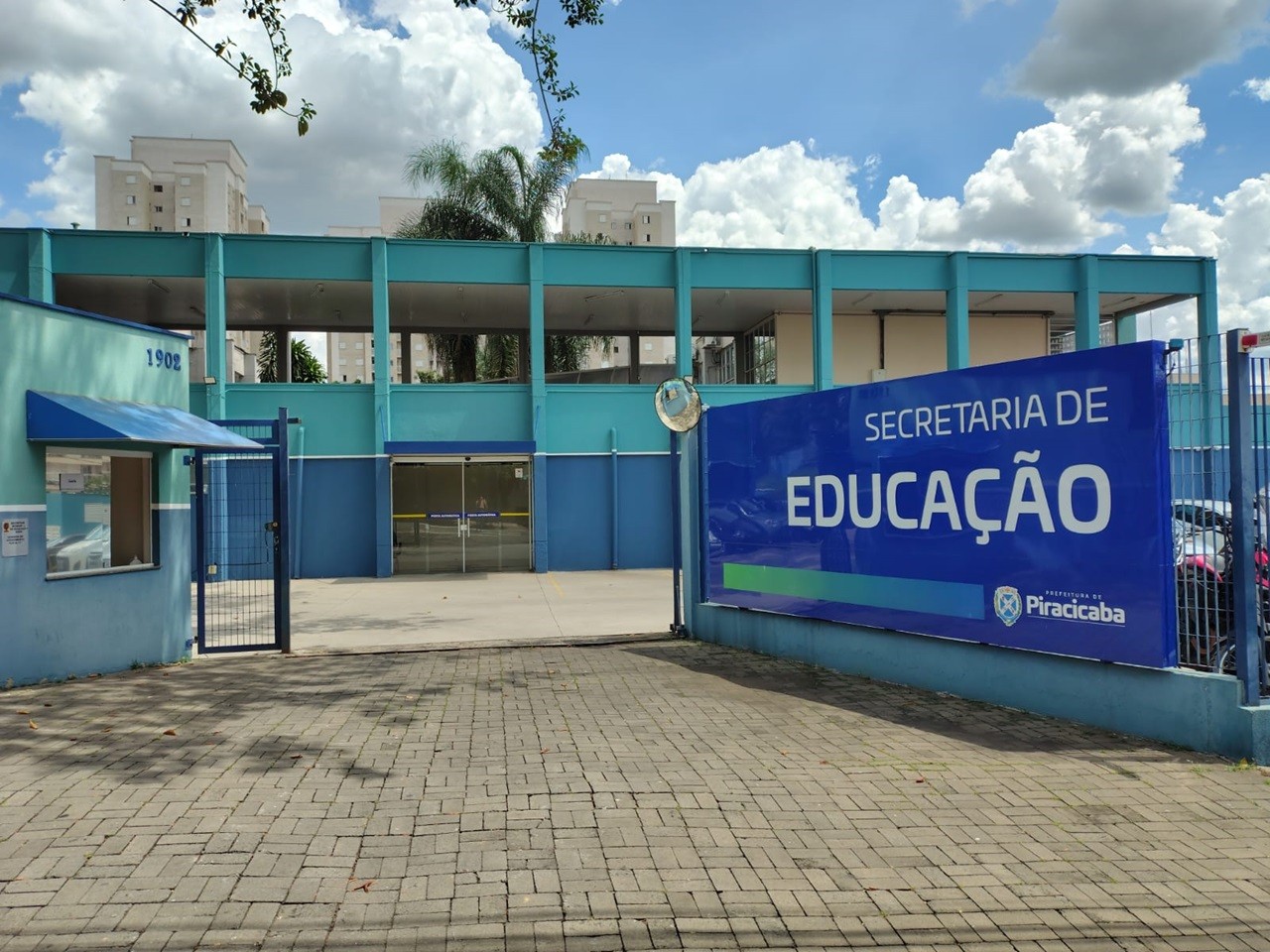
Approximately 400 state school students in Piracicaba, São Paulo, will transition from contracted school bus services to public transport passes after their July vacation, starting July 24, 2026. This change affects students in grades 6-12, aged 12 and older, and is a result of revised criteria by the State Secretariat of Education (Seduc-SP), replacing a prior agreement between the state government and the Piracicaba municipality. The municipality reportedly attempted to maintain the previous system but was unsuccessful, with their role now limited to purchasing credits for the student passes from the transport company, Rápido Sumaré.
Concerns have been raised by the OAB Piracicaba's Children and Adolescents Rights Commission and parents regarding potential negative impacts on student performance, increased exposure to insecurity, and a heightened risk of school dropout. Legal experts note the change is formally legal under state education programs, provided students reside in urban areas with adequate public transport coverage. However, they caution that applying this to students in rural or underserved areas could violate child protection statutes. The lack of a maturity assessment for younger students using public transport independently is a significant point of concern, as this age group is considered to be in a transitional phase requiring more support. Parents are advised to document any negative impacts and consider collective action through the Public Prosecutor's Office if issues arise. There is no automatic free pass for accompanying adults.
The shift from dedicated school buses to public transport passes for approximately 400 students in Piracicaba represents a systemic effort to optimize public resource allocation within the education sector. While the move aligns with administrative efficiency and potentially broader public transport integration, it introduces a critical trade-off between cost-effectiveness and student welfare. The core tension lies in the assumption of student autonomy and the potential for increased vulnerability for younger adolescents (11-14 years) navigating urban public transit without direct supervision. This policy change highlights a broader challenge in adapting educational support structures to evolving demographic and fiscal realities. Future policy considerations should explore nuanced approaches that balance fiscal prudence with the principle of integral protection for children, potentially incorporating targeted support mechanisms or phased transitions to mitigate risks of educational disruption and enhanced safety concerns.
AI-generated to prompt reflection — not editorial opinion, not advice, not a statement of fact. How this works.