Piracicaba Sees Sharp Decline in Young Voters, Significant Rise in Elderly Electorate
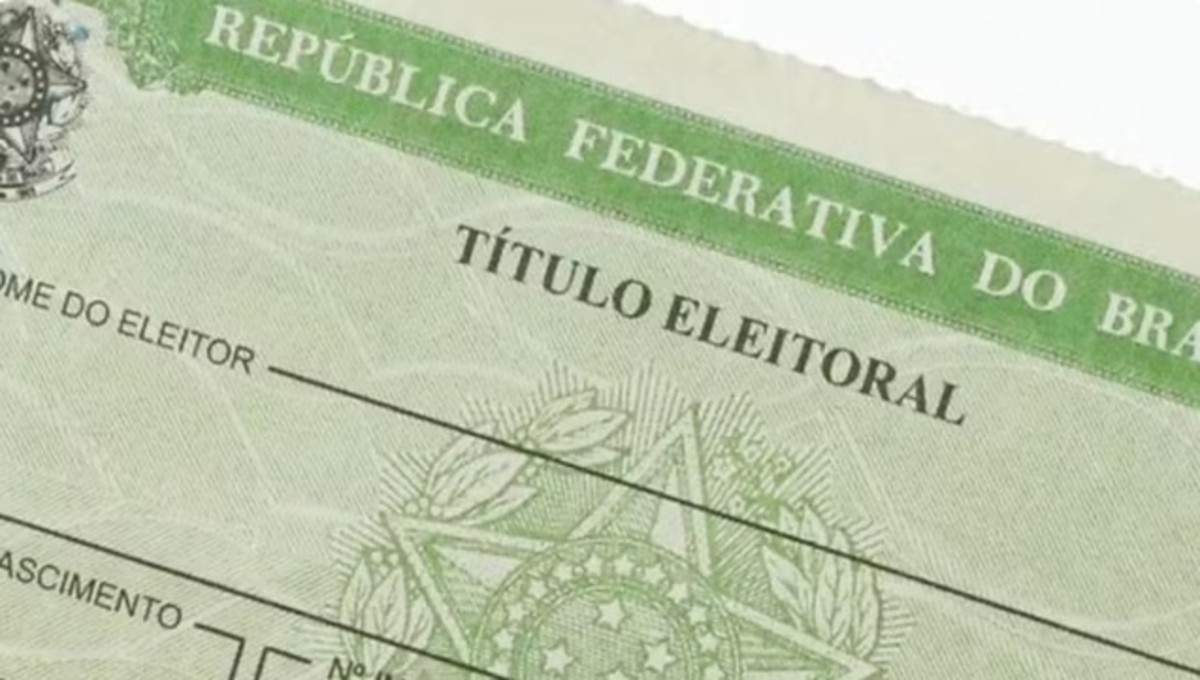
In Piracicaba, Brazil, the number of voters aged 16 to 18 has plummeted by 35.5% since 2022, dropping from 6,183 to 3,988. This contrasts sharply with a 14.5% increase in the electorate aged 60 and over, which grew from 73,614 in 2022 to 84,329 for the upcoming elections. Overall, Piracicaba's total electorate has seen a modest 1.06% growth, reaching 310,331 voters compared to 307,053 in the previous general election. The first round of elections is scheduled for October 4th, with a second round on October 25th. Across the state of São Paulo, the total number of voters has decreased from 34,667,793 in 2022 to 34,104,226 in 2026. Women constitute the majority of voters in São Paulo, representing 53.25% (18.1 million), while the largest age demographic is 16 to 24 years old, accounting for 10.68% (3.6 million). Voting is mandatory for Brazilians over 18, with exceptions for those aged 16-17, over 70, and illiterate individuals. Failure to vote or justify absence in three consecutive elections can lead to penalties such as the inability to obtain a passport or identity card, and disqualification from public service.
The demographic shift in Piracicaba's electorate, with a significant decline in young voters and a substantial increase in older voters, warrants examination of factors influencing civic engagement across age groups. This trend may reflect evolving educational priorities, economic pressures on youth participation, or differing levels of political mobilization. Understanding these dynamics is crucial for political parties and policymakers aiming to represent a diverse populace. The data suggests a potential future electorate with different priorities and engagement patterns, necessitating adaptive strategies to ensure representation and participation for all segments of society in the coming decade.
AI-generated to prompt reflection — not editorial opinion, not advice, not a statement of fact. How this works.