Piraju City Hall Ordered by Court to Improve School Accessibility and Safety
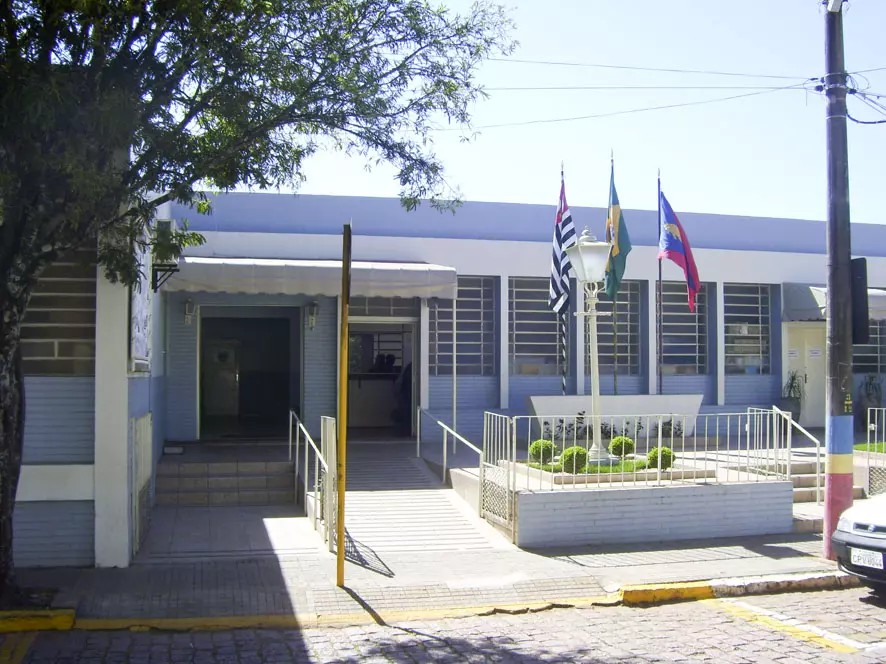
A court has ordered the Piraju City Hall in São Paulo state to rectify architectural accessibility and safety standards in its municipal schools. This decision, issued on June 25th, follows a public civil action filed by the Public Prosecutor's Office of São Paulo (MP-SP). The court has imposed a daily fine of R$1,000 for unjustified non-compliance. The MP-SP initiated the lawsuit after an attempt at an out-of-court settlement failed. A proposed Term of Conduct Adjustment (TAC), which included progressive measures and longer deadlines aligned with the municipality's administrative and budgetary realities, was not accepted by the city administration. The municipality reportedly stated that it would make the necessary adjustments based on future budgetary availability. The MP-SP emphasized that the lawsuit aims to ensure school environments are safe, accessible, and compliant with fundamental rights to education, safety, and inclusion. The court fully granted the request for urgent relief, mandating the municipality to implement the required measures for school units. The Piraju City Hall has not yet responded to requests for comment regarding the court's decision.
This judicial intervention highlights a systemic challenge in ensuring public infrastructure meets essential safety and accessibility standards, particularly within educational institutions. The court's order and penalty underscore the imperative for municipal governments to prioritize fundamental rights, even amidst potential budgetary constraints. The MP-SP's prior attempt at an out-of-court settlement suggests a willingness to collaborate, but the municipality's reported stance on future budgetary availability indicates a potential disconnect between immediate legal obligations and long-term financial planning. Moving forward, Piraju's administration faces the dual task of immediate compliance and developing sustainable financial strategies to maintain these standards, reflecting a broader need for robust public governance frameworks that proactively address infrastructure deficits.
AI-generated to prompt reflection — not editorial opinion, not advice, not a statement of fact. How this works.