Piranhas, Goiás Municipality Announces Public Exam for Teachers with Salaries Up to R$5,130
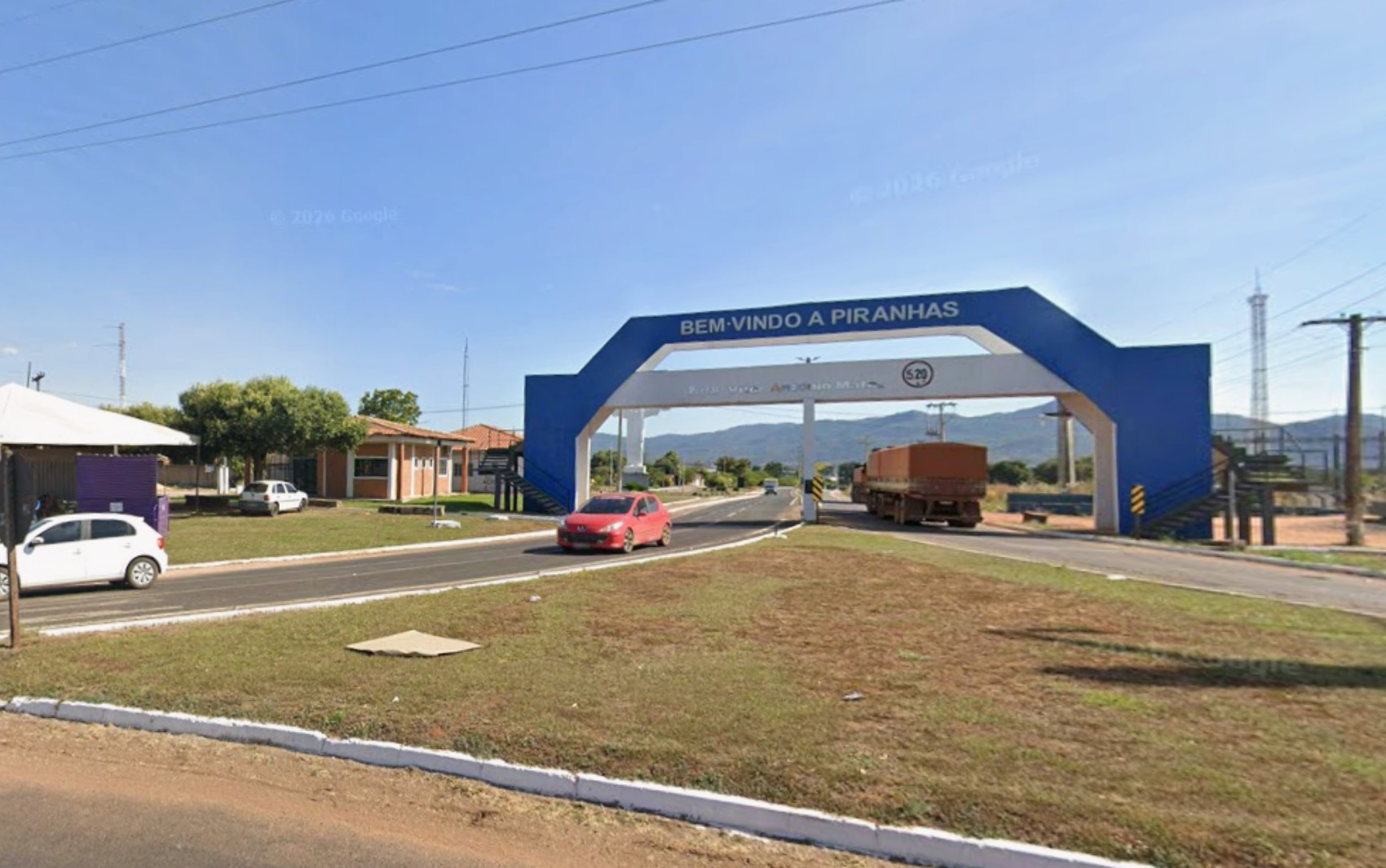
The municipality of Piranhas, located in the western region of Goiás, Brazil, has launched a public examination for teaching positions. The exam seeks to fill roles with salaries reaching up to R$5,130.63. A total of 20 immediate vacancies are available, including positions for the general applicant pool and individuals with disabilities. Additionally, 60 positions will be created for a reserve pool. All applicants must possess a completed higher education degree. The application period runs from July 24 to August 24, and candidates can register through the website of Itame Consultoria e Concursos, the organizing body. The registration fee is R$165. The positions offered are for teachers working 30 hours per week, with a salary of R$3,847.97, and for those working 40 hours per week, earning R$5,130.63. The selection process includes two stages: objective exams scheduled for October 11, followed by a document submission phase for title evaluation from November 4 to 10. Successful candidates will teach in Piranhas' public basic education system and must hold degrees in pedagogy, licentiate studies, or have pedagogical complementation.
This public examination reflects a municipal government's effort to address staffing needs within its education sector, particularly for teaching roles. The salary offerings, up to R$5,130.63, are competitive within the Brazilian public service context, aiming to attract qualified candidates. The multi-stage selection process, including objective tests and title evaluation, is designed to ensure a rigorous and fair assessment of applicants' qualifications. Such initiatives are crucial for maintaining the quality of public education and can be viewed as a strategic investment in human capital, potentially impacting local development and the future workforce. The structure of the exam and the eligibility requirements highlight the importance of specialized academic backgrounds in pedagogy and related fields for effective teaching.
AI-generated to prompt reflection — not editorial opinion, not advice, not a statement of fact. How this works.