Pirlo Faces Controversy Over Russian Betting Firm Deal Before Italy Coaching Role
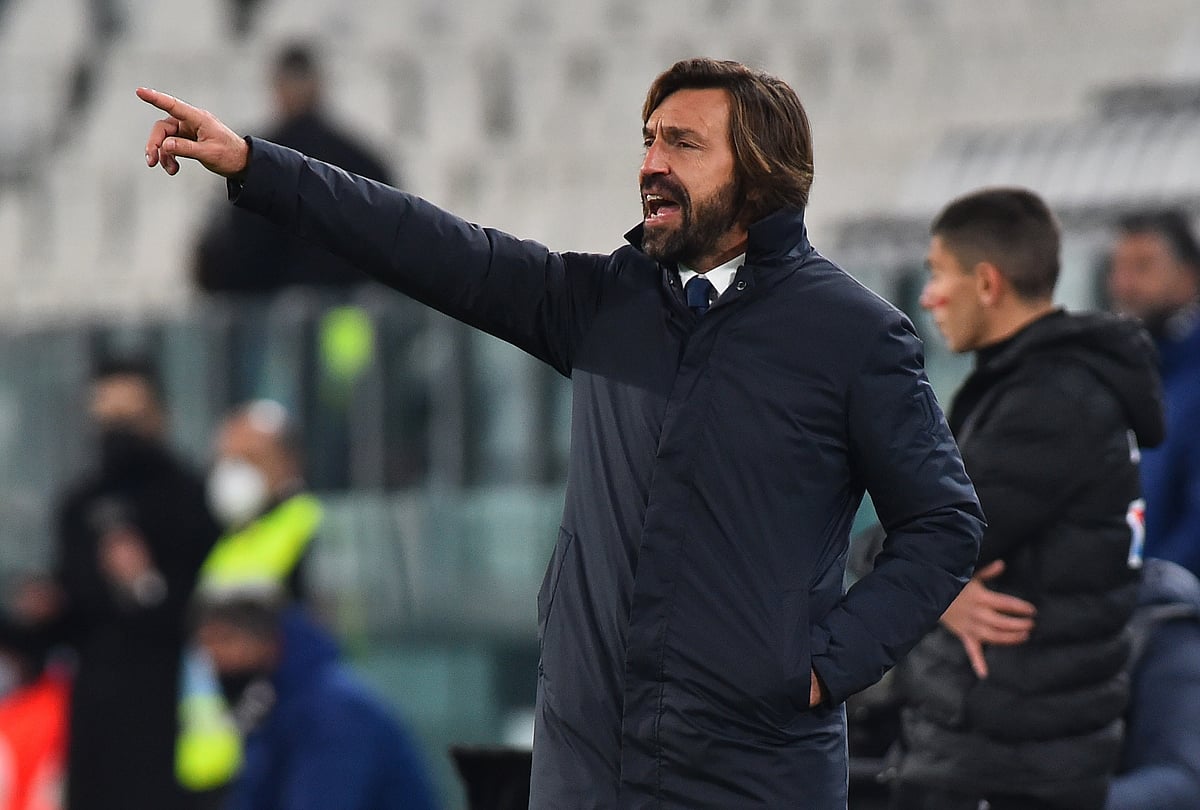
Andrea Pirlo's anticipated appointment as the new head coach of the Italian national football team is already mired in controversy due to his commercial ties with a Russian betting company. Despite not having officially started his role, concerns have been raised by members of the Italian parliament and factions within the Italian Football Federation (FIGC). Pirlo, currently managing United Arab Emirates' Pro League club United FC in Dubai, was reportedly chosen after former Manchester City manager Pep Guardiola declined the position. The FIGC and Italian parliamentarians are reportedly assessing the implications of Pirlo's Russian connections. A source close to the matter indicated to Reuters that Pirlo's link to Russia is under review and unresolved. Pirlo signed a deal in October to be an ambassador for the Russian betting firm Fonbet, with the controversy intensifying after he appeared at a company event in Moscow alongside former Italian teammate Marco Materazzi. Critics have pointed out that this promotional event occurred while military actions were ongoing in Ukraine. This situation complicates matters for the newly appointed FIGC president, Giovanni Malagò, who took office just weeks ago, adding pressure to an organization already facing scrutiny after Italy's failure to qualify for three consecutive World Cups. Although Pirlo has the support of the new FIGC technical director, Paolo Maldini, politicians are voicing strong objections, arguing that a commercial agreement with a Russian gambling entity is incompatible with leading the national team. European Parliament Vice-President Pina Picierno criticized the decision on social media, suggesting it runs counter to the necessary cultural, ethical, and managerial changes needed in Italian football after recent setbacks. Ignazio La Russa, a prominent figure in Prime Minister Giorgia Meloni's party and a Senate leader, expressed skepticism, comparing Pirlo's appointment to a leap into the dark. Carlo Calenda, leader of the centrist Azione party, stated more directly that individuals associated with Russian promotion since 2022 should not hold national responsibilities. Pirlo addressed the controversy in a social media statement, expressing his regret over the debate. He clarified that his professional collaboration, which is commercial and sports-related, is part of his work in the UAE and does not carry any political connotations or reflect his personal views.
The controversy surrounding Andrea Pirlo's potential appointment highlights the complex interplay between commercial interests, geopolitical sensitivities, and national sporting leadership. While Pirlo asserts his Russian betting firm association is purely commercial and unrelated to his personal views or political stances, the timing and nature of the partnership raise valid governance questions for the FIGC. In an era of heightened geopolitical awareness, national sporting bodies face increasing pressure to ensure their figureheads align with broader societal values and avoid any perception of endorsement for entities linked to nations involved in international conflict. The situation presents a challenge for the FIGC's new leadership, requiring a transparent process to balance the desire for a high-profile coach with the imperative of maintaining public trust and ethical standards. This event underscores the evolving landscape of international sports management, where financial partnerships must be scrutinized not only for their legality but also for their reputational and ethical implications in a globally connected world.
AI-generated to prompt reflection — not editorial opinion, not advice, not a statement of fact. How this works.