PL National President Authorizes Joint Campaigns with Allied Parties in Rio Grande do Sul
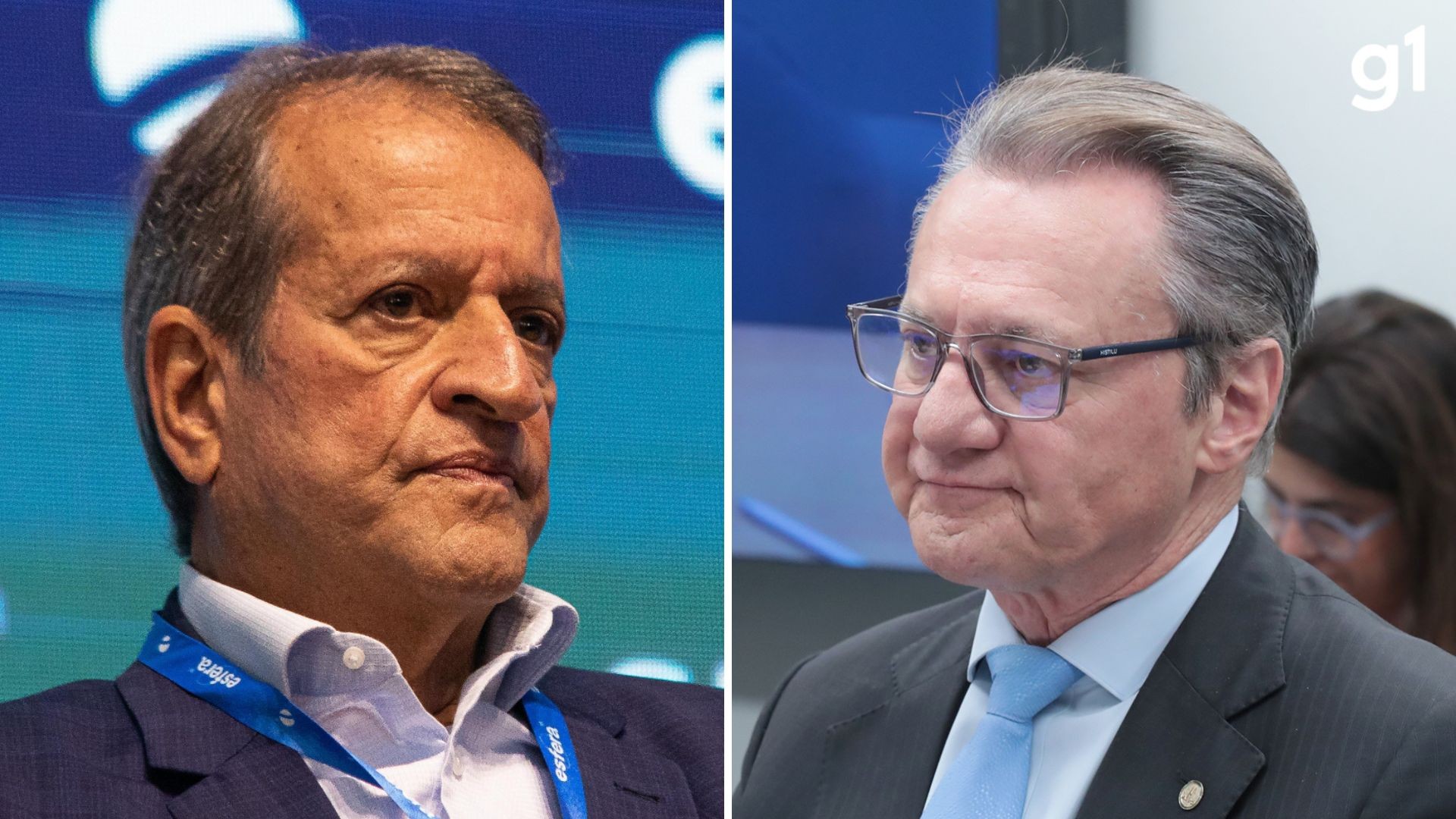
Valdemar da Costa Neto, the national president of the Liberal Party (PL), has intervened to permit PL candidates to engage in joint campaigning with candidates from allied parties in Rio Grande do Sul. This decision follows a dispute within the state's PL chapter, where the state president, federal deputy Giovani Cherini, had initially prohibited such alliances. Cherini had issued a directive stating that all PL members and officials must support only Liberal Party candidates, emphasizing the absence of party coalitions in proportional elections since 2017.
However, Costa Neto issued an official statement authorizing 'dobradinhas,' a practice where candidates for state and federal deputy run joint campaigns, encouraging votes for both positions. His directive allows PL candidates to form these partnerships with candidates from allied parties who are supporting the PL's gubernatorial and senatorial candidates. In Rio Grande do Sul, Luciano Zucco is the gubernatorial candidate, with Silvana Covatti as his running mate. The PL's coalition includes the PP, Novo, Republicanos, Podemos, Democrata, and DC parties, with Marcel van Hattem and Ubiratan Sanderson running for the Senate.
This situation highlights a common tension in Brazilian politics between national party leadership and state-level party organizations, particularly concerning electoral strategy. The national president's override of the state chapter's directive underscores the central authority's prerogative in managing alliances that impact broader electoral goals. The PL's national strategy appears to prioritize maximizing support for key gubernatorial and senatorial candidates by leveraging proportional representation races, even if it means deviating from strict party-line support at the local level. This approach reflects a pragmatic electoral calculus, balancing the desire for party growth in legislative bodies with the necessity of coalition building for executive races in a fragmented political landscape. The decision implicitly acknowledges that in the current electoral system, strategic alliances can be more beneficial than rigid adherence to party purity, especially when aiming for significant electoral victories.
AI-generated to prompt reflection — not editorial opinion, not advice, not a statement of fact. How this works.