PL President: Moraes's ruling will boost Flávio Bolsonaro's poll numbers
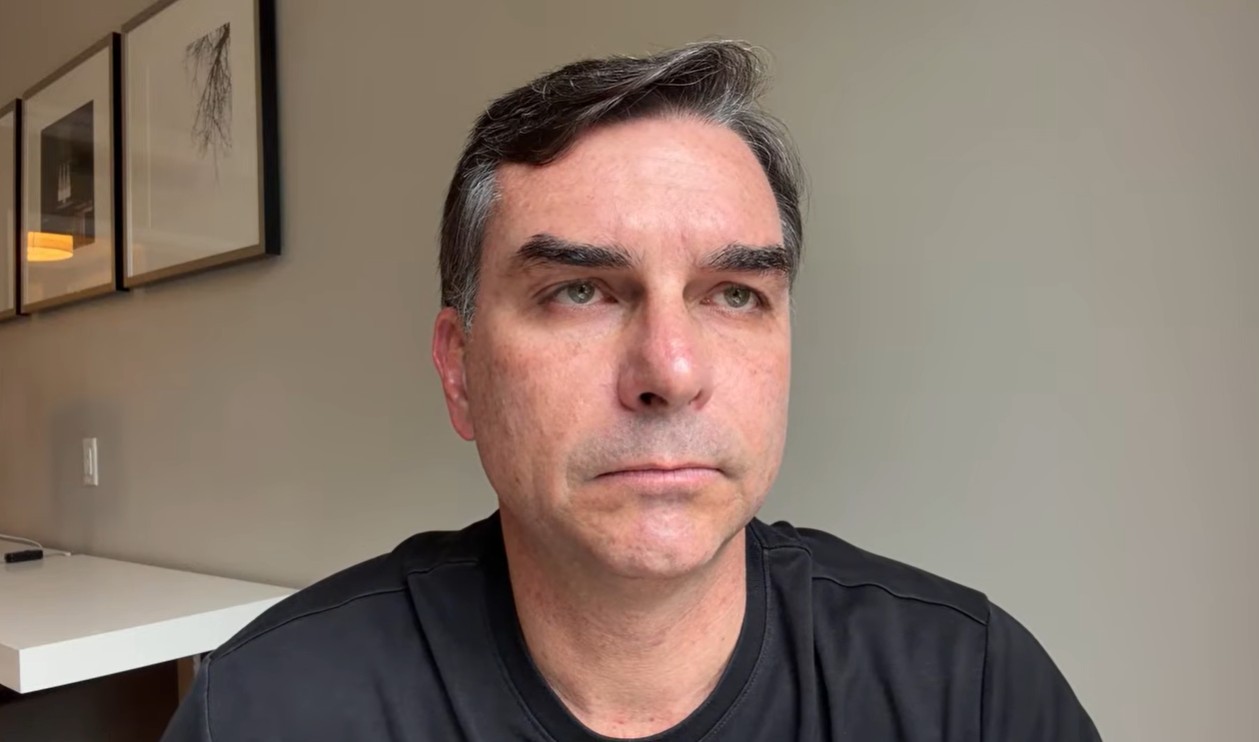
Valdemar Costa Neto, president of the Liberal Party (PL), believes that Justice Alexandre de Moraes's decision to prohibit Senator Flávio Bolsonaro from visiting his father for 90 days will increase the senator's presidential poll intentions. The ban was imposed after Flávio Bolsonaro shared a letter from his father, former President Jair Bolsonaro, on social media, reaffirming his support for his son's presidential bid and positioning him as his spokesperson. Costa Neto stated that prohibiting a son from communicating with his father is unprecedented and will likely be reflected in upcoming polls. Flávio Bolsonaro had read the letter during a live broadcast on Saturday, November 11th, following a visit to his father earlier that day. This move was seen as reinforcing his support and sending a message to former First Lady Michelle Bolsonaro, with whom the senator has had a falling out. The letter urged setting aside differences to work towards his son's victory. Flávio Bolsonaro's legal team criticized Moraes's decision, arguing it violates the Law of Penal Execution, the Statute of Advocacy, and the Constitution, particularly the right of prisoners to receive family visits. They also noted that Flávio Bolsonaro is among his father's defense lawyers. The legal team highlighted that the Supreme Federal Court has consistently deemed prolonged incommunicado status for prisoners unconstitutional since 1988. Moraes justified his ruling by stating that sharing the letter on social media violated a previous order preventing the former president from using social media, directly or indirectly. He also suggested that the video's content might constitute premature electoral propaganda, forwarding the case to the electoral prosecutor general for further investigation and action.
The political reaction to Justice Alexandre de Moraes's judicial order highlights a potential strategic miscalculation by the judiciary, which may inadvertently amplify the political capital of the sanctioned individual. By restricting familial contact and framing it as a violation of a prior order, the ruling could be perceived by supporters not as an enforcement of legal boundaries, but as an act of political persecution. This narrative, if adopted by the public, could galvanize support and increase voter intention, particularly among those already aligned with the former president's political movement. The PL president's assertion suggests that such judicial actions, when perceived as overreach, can trigger a backlash effect, boosting the profile of the targeted politician. This dynamic underscores the complex interplay between judicial power and public perception in shaping electoral outcomes, especially in politically polarized environments. The long-term implications may involve increased scrutiny of judicial impartiality and a potential hardening of political divisions.
AI-generated to prompt reflection — not editorial opinion, not advice, not a statement of fact. How this works.