Plaenge Aims to Make Londrina a Brazilian Architectural Reference
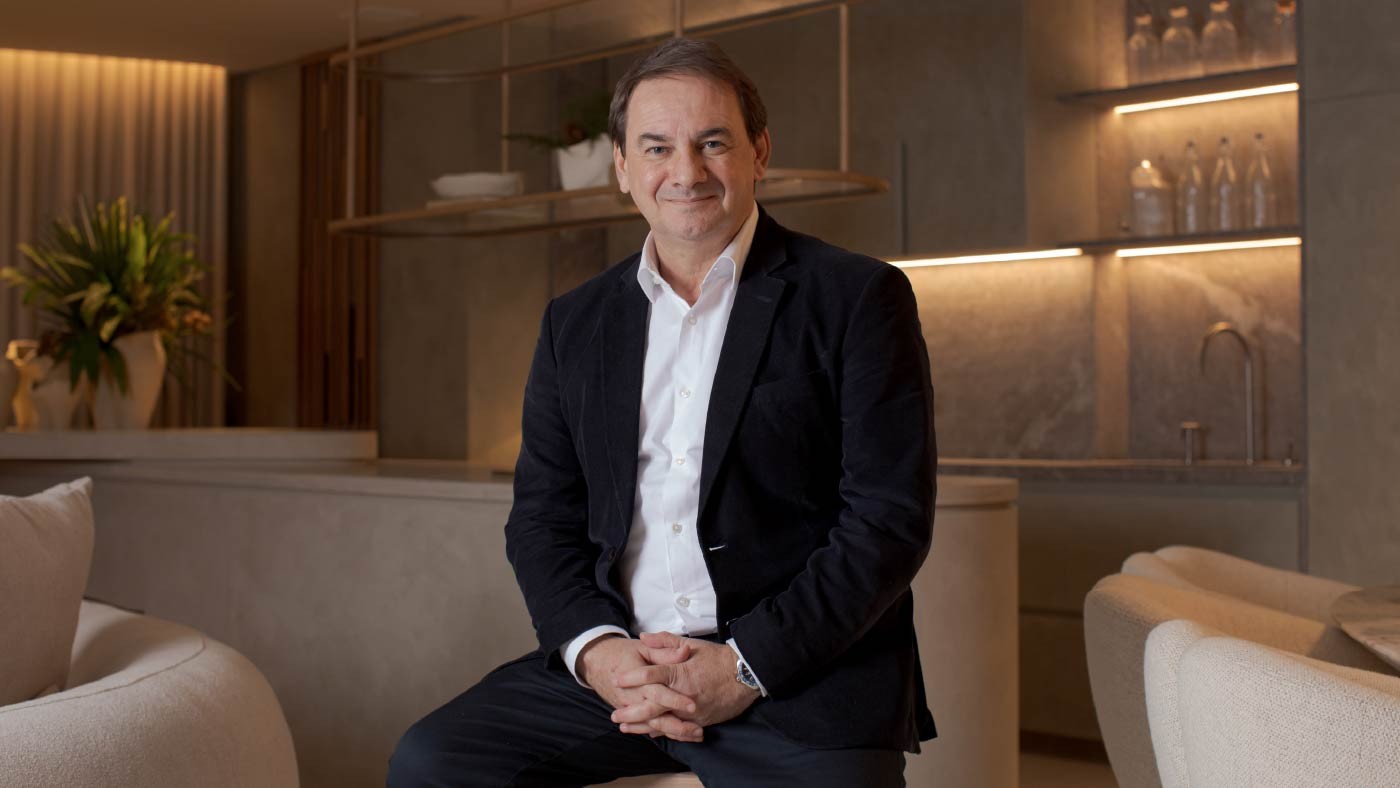
Plaenge has launched its new Haikai development in Gleba Palhano, marking a significant step in its strategy to elevate Londrina's architectural landscape. This high-standard project features international design signatures, aiming to enrich the city's built environment. The Haikai decorated apartment, open for visits, showcases living spaces that prioritize sensory experiences, nature integration, and transformative lighting. Plaenge's ambition, evident in Haikai and recent projects, is to establish Londrina as a national benchmark for architecture. Marcelo Resquetti, the company's director, believes the city is already progressing towards this goal. He observes a growing public engagement with architecture in Londrina, noting people admiring and documenting building facades in areas like Praça dos Pioneiros and Praça Pé Vermelho. Resquetti sees each new project as a chance to raise standards and inspire local pride. Plaenge's vision is to continue transforming the city's appearance, creating enduring works of art that residents can admire, similar to how people appreciate iconic buildings in global cities like Dubai or New York. The company is committed to high-quality architecture, driven by a desire to live in a beautiful city and a dedication to research global trends and implement them locally. Londrina's residents, described as having sophisticated taste and global awareness, are receptive to this approach, appreciating the introduction of world-class quality into their hometown. Plaenge aims to leave a legacy of beautification and pride for Londrina through its projects.
The Plaenge initiative to elevate Londrina's architecture reflects a strategic approach to urban development, leveraging international design trends to enhance local aesthetics and resident engagement. This strategy aligns with broader market dynamics where quality of life and distinctive urban environments increasingly influence property values and community pride. By fostering public appreciation for architectural design, Plaenge is not only marketing its developments but also contributing to a potential shift in urban planning discourse, encouraging a focus on aesthetic and experiential qualities alongside functional aspects. The long-term success of this vision will depend on sustained investment, consistent quality across projects, and the integration of these architectural aspirations with broader urban infrastructure and public space planning. It presents a model where private development can proactively shape a city's identity, contingent on aligning commercial objectives with public benefit and enduring urban legacy.
AI-generated to prompt reflection — not editorial opinion, not advice, not a statement of fact. How this works.