Plaenge unveils Haikai's nature-inspired decorated apartment in Londrina
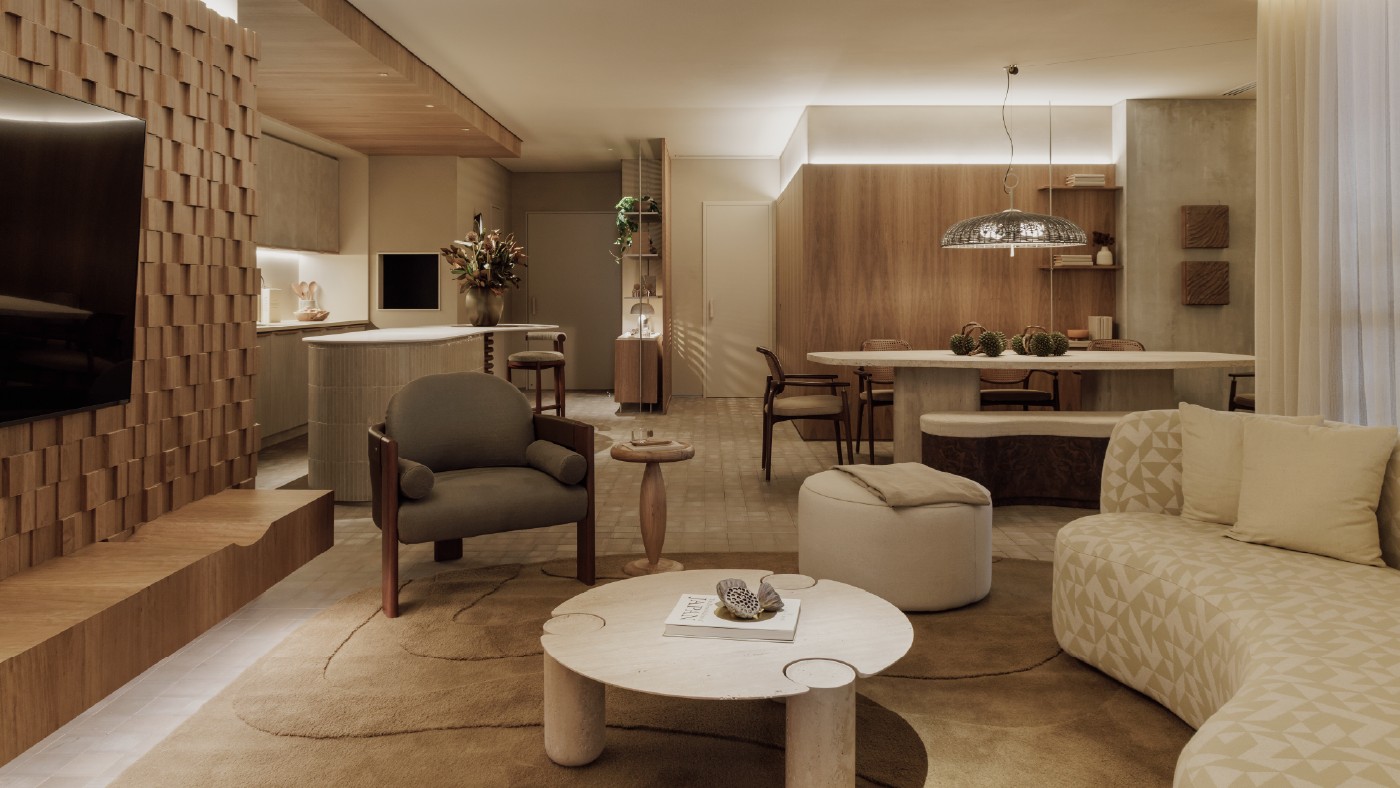
Plaenge has opened a decorated apartment for its new Haikai development in Londrina's Gleba Palhano, showcasing the project's core concepts. The 147-square-meter unit emphasizes sensory experiences, nature integration, and transformative lighting, offering a glimpse into the envisioned living experience. Visitors can explore the design at the Plaenge Decorated Apartment Central, with insights provided by LW Design Group. The entrance features a sensory corridor with dramatic, warm lighting, intentional shadows, and elements representing the four natural elements: water, air, fire, and earth. This contrasts with the apartment's main living area, designed to feel spacious and bright. The Haikai decorated apartment includes an integrated living, dining, and kitchen area, along with two suites and an L-shaped balcony that serves as an additional living space. Plaenge's signature flexible floor plans allow for customization, including the option for three suites. The design incorporates natural textures and materials like stone, wood, and metal, unified by an almond-toned palette to create harmony without being overwhelming. The suites feature creative details, such as a perforated panel niche in the first suite and a tapestry headboard in the master suite. The master bathroom boasts a raw, earth-toned texture, a bathtub, double vanities, and vertical shower niches. The L-shaped balcony integrates landscaping with built-in planters, designed by Alex Hanazaki, offering a space for relaxation and connection with nature. The Haikai decorated apartment is open for visits at Plaenge Decorated Apartment Central, Avenida Madre Leônia Milito, 1.700, Monday to Saturday, from 9 AM to 6 PM.
The Haikai development's design strategy appears to leverage biophilic design principles and sensory engagement to create an aspirational living environment. By integrating natural elements, varied textures, and dynamic lighting, Plaenge aims to differentiate its offering in the competitive real estate market. The emphasis on flexible floor plans caters to evolving homeowner preferences for adaptable living spaces. From a market perspective, such curated experiences can command premium pricing and appeal to a demographic seeking wellness and connection to nature within an urban setting. The long-term success will depend on the actual execution of these design promises and the continued relevance of these aesthetic and experiential trends over the next decade, particularly as smart home technology and sustainable building practices become increasingly integrated into residential design.
AI-generated to prompt reflection — not editorial opinion, not advice, not a statement of fact. How this works.