Plan to Dredge 28,000 Olympic Pools of Sand from WA Seabed Sparks Environmental Concerns
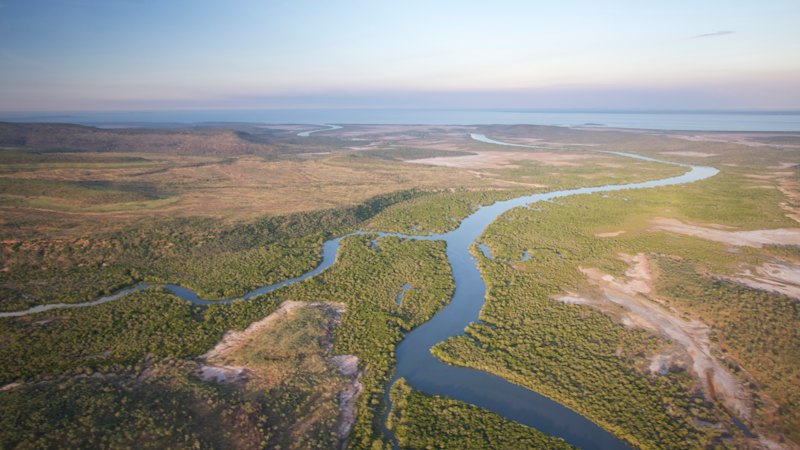
A proposal to excavate approximately 28,000 Olympic swimming pools worth of sand from the seabed off Western Australia has ignited significant environmental concerns. The project's location is situated directly within a critical habitat zone. This area is vital for the survival of several vulnerable species, including dolphins and sea turtles. Critics worry that the dredging operation could cause irreparable damage to this sensitive ecosystem. The sheer volume of sand to be removed raises questions about the long-term ecological impact. Further assessment is needed to understand the potential consequences for marine life and the broader marine environment.
The proposed large-scale seabed dredging operation in Western Australia presents a clear tension between resource extraction and ecological preservation. While the economic drivers for such projects often involve development or infrastructure needs, the potential impact on vulnerable marine species and their habitats necessitates rigorous environmental impact assessments. Future planning must integrate robust mitigation strategies and consider alternative locations or methods to minimize ecological disruption. The long-term sustainability of such activities hinges on balancing immediate economic gains with the preservation of biodiversity and ecosystem health for future generations, particularly in light of increasing global environmental awareness and regulatory scrutiny.
AI-generated to prompt reflection — not editorial opinion, not advice, not a statement of fact. How this works.