Planalto Palace Reflecting Pool Built After 1989 Assassination Attempt
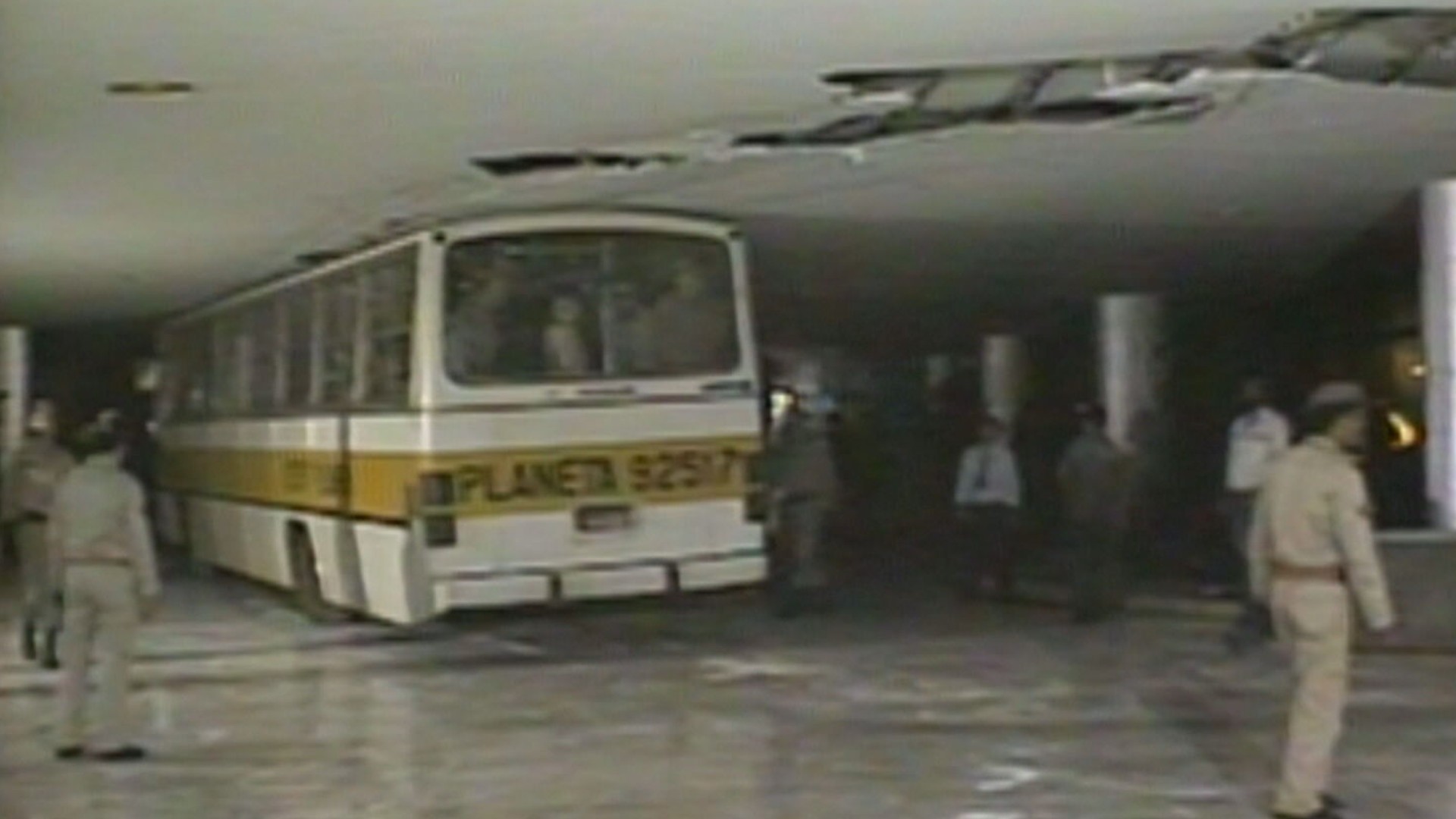
The reflecting pool at the Palácio do Planalto, the seat of Brazil's presidency, was constructed in 1991, two years after a significant security incident. The pool's construction was a direct response to an attempted assassination of then-President José Sarney. On May 30, 1989, a 36-year-old man named João Antônio Gomes hijacked a bus and drove it into the Planalto Palace. Gomes, who was reportedly motivated by "dissatisfaction with the government" and intended to kill Sarney, was apprehended at the scene. The incident caused damage to the building's entrance and ceiling, although only the driver sustained minor injuries. Security forces intervened after the bus had already breached the perimeter and entered the building. Investigations into the bus revealed no explosives, and Gomes was taken for questioning by the Federal Police. He expressed regret for not having killed anyone during the attack. Subsequent medical examinations were requested due to suspicions of mental health issues. The incident prompted a review of security measures around the palace, with proposals including the reflecting pool, chains, and iron-bar planters. The reflecting pool, designed to enhance security, was ultimately inaugurated in 1991.
The 1989 incident at the Palácio do Planalto highlights the evolving security challenges faced by heads of state and the architectural responses employed to mitigate such threats. The construction of the reflecting pool, while serving a functional security purpose, also adds a symbolic layer of defense, creating a physical and visual barrier. This event underscores the tension between open access to government institutions and the imperative of protecting public officials. In the context of increasing global security concerns and the potential for lone-actor attacks, such infrastructural changes reflect a broader trend of fortifying symbolic centers of power. Future considerations for such spaces might involve integrating advanced surveillance and access control technologies that are less visually intrusive while maintaining robust security.
AI-generated to prompt reflection — not editorial opinion, not advice, not a statement of fact. How this works.