Planned Debrecen wastewater plant may discharge embryo-damaging solvent into Tócó stream
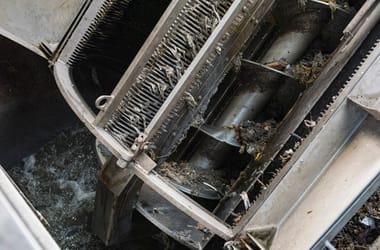
A planned wastewater treatment facility in Debrecen, Hungary, intended to process water from battery factories, has raised concerns about potentially discharging embryo-damaging solvents into the Tócó stream. The construction of this facility is slated to be undertaken by a company associated with Lőrinc Mészáros. The project's estimated cost exceeds 23 billion Hungarian forints. The potential environmental impact, particularly the release of harmful chemicals, has become a significant point of contention. Local environmental groups and residents are closely monitoring the situation, demanding thorough environmental impact assessments and stringent safety protocols. The authorities have yet to provide a definitive response regarding the specific substances that will be treated and the potential risks involved. This development highlights ongoing debates about the environmental sustainability of industrial expansion, especially in the context of battery production. The proximity of the Tócó stream to residential areas and its ecological significance further amplify these concerns. Further details on the treatment processes and regulatory oversight are anticipated.
The proposed wastewater treatment plant, funded at over 23 billion HUF and awarded to a company linked to Lőrinc Mészáros, raises questions about the alignment of industrial development with environmental protection. The potential discharge of embryo-damaging solvents necessitates a rigorous, independent environmental impact assessment that goes beyond standard regulatory compliance. Future-proofing such infrastructure requires anticipating emerging contaminants and implementing advanced treatment technologies that can adapt to evolving industrial processes. The governance structure overseeing this project will be crucial in ensuring transparency and accountability, balancing economic incentives for development with the long-term ecological health of the Tócó stream and its surrounding ecosystem.
AI-generated to prompt reflection — not editorial opinion, not advice, not a statement of fact. How this works.