Plano Safra Supports Beekeeping, Boosting Farm Diversification in Rio Grande do Sul
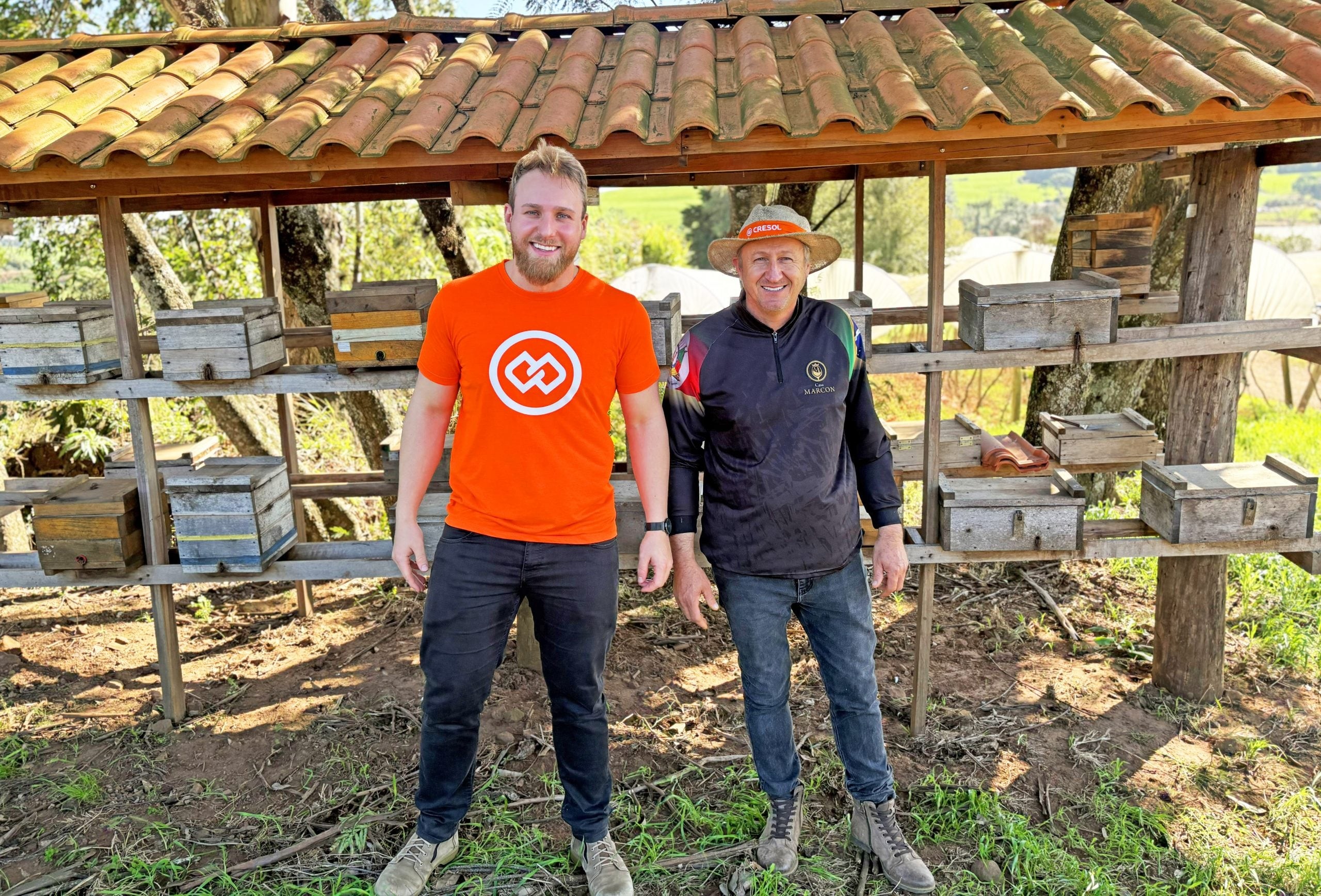
Rural producer Sandro André Marcon integrated stingless beekeeping with his plum orchard in Ronda Alta, Rio Grande do Sul, starting in September 2025. This initiative aimed to enhance plum pollination, increase productivity, and generate a new income stream for his property. Marcon's apiary now includes native bee species such as mandaçaia, manduri, jataí, and canudo, contributing to local biodiversity and enabling honey production as a complementary activity to plum cultivation. He views beekeeping as a significant business opportunity and hopes to inspire other producers to adopt this segment due to its positive impact on farms.
To establish this new venture, Marcon utilized a cost-line credit from Plano Safra, accessed through Cresol, to acquire necessary equipment and infrastructure. André Fossati, agro manager at Cresol in Ronda Alta, highlighted Marcon's case as an example of how Plano Safra's diverse credit lines can support production diversification and strengthen rural properties. Cresol provides not only financial resources but also consultative support, guiding members like Marcon to the most suitable credit lines for their specific projects, thereby fostering development and diversification.
Animal pollination, particularly by bees, plays a crucial role in Brazilian agriculture, contributing an estimated 16.14% to the agricultural production value in 2023, according to IBGE. For fruit crops like plums, apples, and oranges, this contribution can reach 38.7%, underscoring the importance of pollinators for productivity, fruit quality, and biodiversity conservation. Plano Safra, a key initiative since 2003, offers credit lines for various agricultural needs, supporting the modernization and growth of rural properties.
The integration of beekeeping into traditional agriculture, facilitated by government credit programs like Plano Safra, exemplifies a strategic shift towards diversified and resilient farming systems. This approach leverages natural processes, such as pollination, to enhance yields and create new revenue streams, reducing reliance on single-crop vulnerabilities. The success of such initiatives hinges on accessible financing and expert guidance, as provided by financial cooperatives like Cresol, to de-risk adoption for producers. Looking ahead, the synergy between ecological services and financial innovation will be critical for adapting agricultural landscapes to climate change and evolving market demands, fostering a more sustainable and economically robust rural sector.
AI-generated to prompt reflection — not editorial opinion, not advice, not a statement of fact. How this works.