Plant vs. Animal Protein: Health and Sustainability Explored
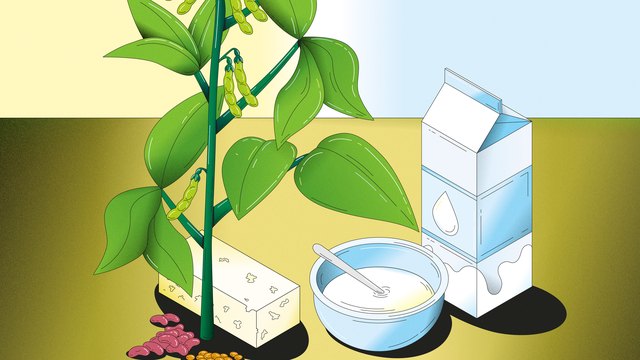
A protein-rich diet is widely considered healthy. This article explores the extent to which one can thrive on plant-based protein instead of animal protein and examines the sustainability of this dietary shift. The explanation is presented through graphics, making complex information accessible. It delves into the nutritional aspects of both protein sources, comparing their impacts on health and well-being. The sustainability discussion considers environmental factors such as land use, water consumption, and greenhouse gas emissions associated with different protein production methods. The piece aims to provide a clear, data-driven overview to help readers understand the trade-offs and benefits of choosing plant-based protein sources.
Evaluating the shift towards plant-based proteins involves assessing nutritional adequacy, economic accessibility, and the environmental footprint of food production systems. While plant proteins can offer significant health and sustainability advantages, ensuring complete nutrient profiles requires careful planning. The analysis should consider the infrastructure needed to support widespread adoption, including agricultural practices and supply chains. Future trends in food technology and alternative protein development may further influence this landscape, presenting both opportunities and challenges for consumers and producers alike. Understanding the interplay between dietary choices, public health goals, and ecological imperatives is crucial for long-term societal well-being.
AI-generated to prompt reflection — not editorial opinion, not advice, not a statement of fact. How this works.