Planting Tulsi in Sawan: Auspiciousness, Rules, and Remedies
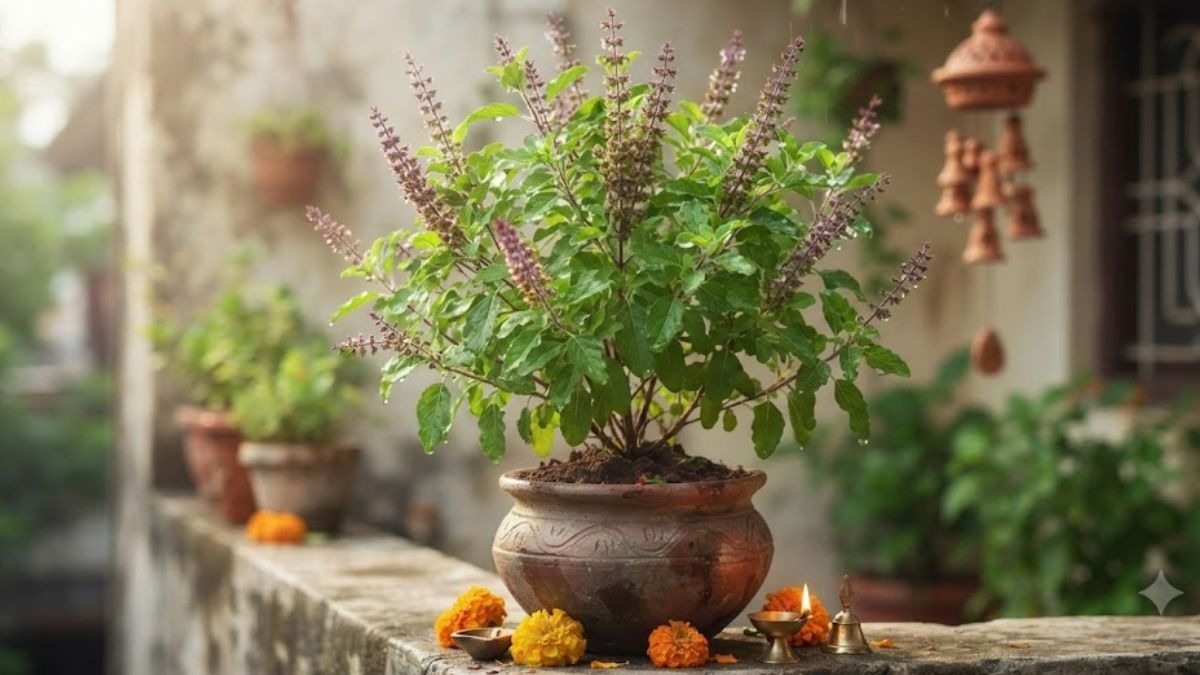
Planting a Tulsi plant in the home during the month of Sawan is considered highly auspicious. This practice is believed to bring good fortune and prosperity. According to Vastu Shastra, there are specific guidelines for placing the Tulsi plant to maximize its positive energy. The direction in which the Tulsi is planted is crucial for its auspiciousness. Additionally, the appearance of 'manjari' (flower spikes) on the Tulsi plant holds significant meaning. There are also simple remedies associated with the manjari that can be performed for enhanced prosperity and well-being. Following these Vastu principles and incorporating the manjari remedies are thought to invite blessings and positive vibes into the household during this sacred month.
The cultural significance of planting Tulsi during Sawan highlights the intersection of religious practice and domestic well-being in Indian households. Vastu Shastra principles, applied to plant placement, reflect a long-standing belief in harmonizing living spaces with natural energies for prosperity. The emphasis on manjari as a remedy suggests a focus on tangible outcomes derived from spiritual observances, potentially reinforcing community adherence to traditional practices. This integration of faith, nature, and perceived economic benefit offers a lens into enduring cultural values that shape daily life and decision-making.
AI-generated to prompt reflection — not editorial opinion, not advice, not a statement of fact. How this works.