Plants' Roots Actively Avoid Rotting Material and Protect Themselves
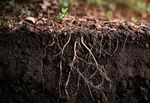
Plants have developed a sophisticated defense mechanism to protect their roots from decay. Underground, plant roots actively steer clear of decomposing organic matter, a behavior that differs when encountering animal remains. This ability allows plants to maintain the health and integrity of their root systems, which are crucial for nutrient and water uptake. The specific mechanisms plants employ to differentiate between plant and animal decomposition are a subject of ongoing scientific inquiry. Understanding these processes could have significant implications for agriculture and environmental science. For instance, it might inform strategies for improving soil health and plant resilience. The research aims to uncover how plants perceive and react to different types of decaying material in their immediate environment. This targeted avoidance behavior suggests a complex sensory system within the plant's root structure. Further investigation is needed to fully elucidate the biochemical and genetic pathways involved in this root defense strategy. The findings could lead to novel approaches in crop protection and sustainable land management.
This biological defense mechanism highlights the intricate adaptive strategies plants employ for survival. The ability of roots to differentiate and actively avoid decomposing plant matter, while reacting differently to animal remains, suggests a sophisticated sensing and response system. From a systems perspective, this behavior optimizes resource allocation and minimizes the risk of infection or nutrient depletion from decaying material. Future research could explore how these natural defense mechanisms can be leveraged in agricultural practices, potentially reducing the need for chemical interventions and promoting more sustainable soil management. Understanding these root behaviors in the context of evolving soil microbiomes and climate change will be crucial for ensuring plant resilience in the coming decade.
AI-generated to prompt reflection — not editorial opinion, not advice, not a statement of fact. How this works.