Planura, Brazil Experiences Second Earthquake in Under a Week
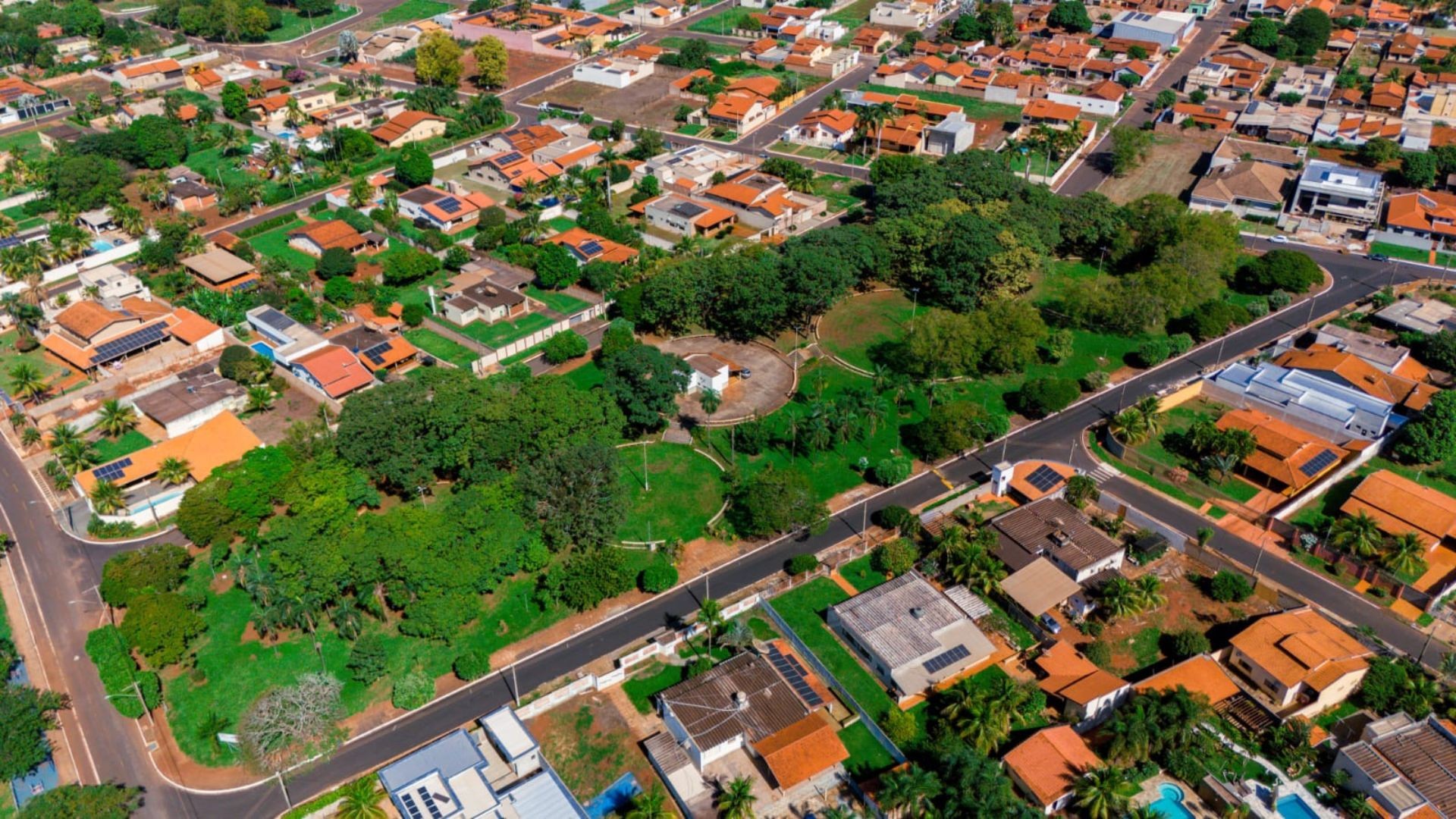
The city of Planura, located in the Triângulo Mineiro region of Minas Gerais, Brazil, has registered its second earthquake in less than a week. A tremor of magnitude 2.4 on the Richter scale was recorded on Thursday, February 2nd, with confirmation from the Brazilian Seismographic Network (RSBR) on Friday, February 3rd. This follows a previously confirmed tremor of magnitude 2.6 that occurred on Wednesday. These two seismic events mark the second time in a week that the RSBR has confirmed earth movements in the area. Data from these tremors have been sent to the Center for Seismology at the University of São Paulo (USP) for further analysis. Approximately nine months prior, another tremor measuring 2.8 magnitude was recorded in Planura's rural zone. Despite this series of seismic activities in a short period, seismologist Bruno Collaço emphasized that tremors of this magnitude are considered common in the Triângulo Mineiro and generally do not cause structural damage or pose risks to the population. Collaço explained that small earthquakes are not uncommon in Minas Gerais, which experiences the highest number of recorded seismic events in Brazil. These natural tremors are primarily attributed to the significant geological pressures acting on the Earth's crust. Earthquakes in Brazil, even in areas far from tectonic plate boundaries, are relatively frequent, with magnitudes between 2 and 3 occurring almost weekly across the country. These events are typically natural phenomena related to the dynamics of the Earth's crust, often of tectonic origin, and result from accumulated geological pressures. The energy release from these pressures causes seismic events, which are usually low in magnitude and rarely cause damage. The USP Center for Seismology also stated that earthquakes cannot be predicted, making it impossible to forecast future occurrences.
The recent seismic activity in Planura, Brazil, highlights the commonality of low-magnitude earthquakes in regions not typically associated with major tectonic plate boundaries. While these events are natural and pose minimal risk, their recurrence within a short timeframe can lead to public apprehension. This situation underscores the importance of ongoing geological monitoring and public education to contextualize seismic events, distinguishing between minor tremors and significant geological hazards. Understanding the underlying geological pressures that cause these events, even in stable continental interiors, is crucial for long-term risk assessment and preparedness. The inability to predict these tremors emphasizes the need for resilient infrastructure and clear communication protocols, rather than focusing on predictive capabilities that are currently beyond scientific reach.
AI-generated to prompt reflection — not editorial opinion, not advice, not a statement of fact. How this works.