Plastic bottle caps become 'arks' for invasive species crossing oceans
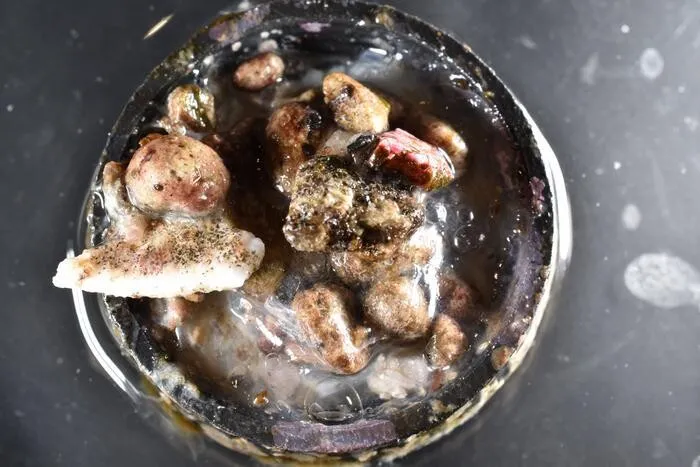
Plastic bottle caps floating in the ocean are creating unique ecosystems, raising concerns that they could act as 'arks' for invasive species. These caps, often made of polypropylene, provide a stable surface for marine organisms to attach and survive on. As they drift across vast distances, they transport these hitchhiking species to new environments. Scientists are increasingly observing diverse communities of algae, barnacles, and other small invertebrates colonizing these plastic fragments. The phenomenon highlights a new pathway for the introduction of non-native species, potentially disrupting local marine ecosystems. This discovery underscores the pervasive impact of plastic pollution on marine biodiversity and the global spread of life. The long-term ecological consequences of these plastic-borne invasions are still being studied. Researchers are calling for more attention to the role of microplastics and larger plastic debris in facilitating species dispersal.
The proliferation of plastic debris in marine environments presents a novel mechanism for species dispersal, transforming waste into unintended vectors for biological colonization. This phenomenon raises critical questions about ecological resilience and the unintended consequences of human-generated waste. As plastic fragments persist and travel across oceans, they may accelerate the introduction of non-native species, potentially outcompeting endemic organisms and altering established food webs. Understanding the dynamics of these 'plastic arks' is crucial for predicting future biodiversity shifts and developing effective strategies to mitigate the ecological impacts of plastic pollution. This emergent pathway for species migration necessitates a re-evaluation of marine conservation efforts, considering the pervasive influence of anthropogenic materials on global ecosystems.
AI-generated to prompt reflection — not editorial opinion, not advice, not a statement of fact. How this works.