Plastic cups used for tea in Bangladesh pose health and environmental risks
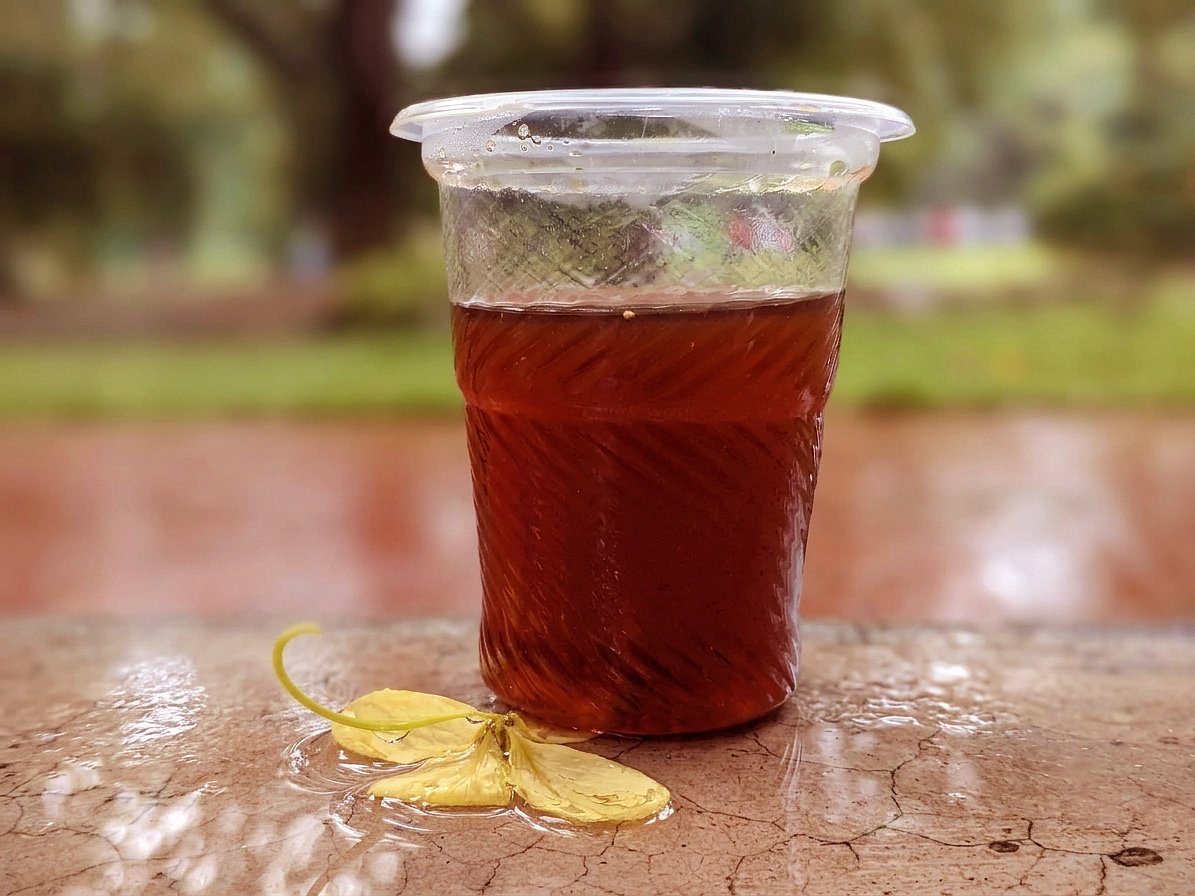
Millions of people in Bangladesh consume tea daily using disposable plastic cups. A significant portion of these cups are discarded into the environment after a single use. These plastic cups break down into microplastics, which then contaminate rivers, canals, soil, and enter the food chain. Consequently, the use of these plastic cups presents a dual threat to both public health and the environment. The widespread use and improper disposal of these cups contribute to a growing environmental pollution problem. The presence of microplastics in the food chain raises serious concerns about long-term health impacts on the population. Addressing this issue requires a multi-faceted approach involving public awareness, improved waste management, and potentially the promotion of sustainable alternatives.
The widespread use of disposable plastic cups for tea consumption in Bangladesh highlights a critical intersection of public health and environmental sustainability. The breakdown of these cups into microplastics poses a systemic risk, contaminating natural resources and entering the food chain, which necessitates a re-evaluation of waste management infrastructure and consumer behavior. Future policy considerations should focus on incentivizing the adoption of biodegradable or reusable alternatives and strengthening regulatory frameworks to mitigate the environmental and health consequences of microplastic pollution. This situation underscores the broader challenge of balancing convenience with long-term ecological and public health imperatives in rapidly developing economies.
AI-generated to prompt reflection — not editorial opinion, not advice, not a statement of fact. How this works.