Plastic Surgeon Leandro Fuchs Faces Charges for Patient Harm in Rio Grande do Sul
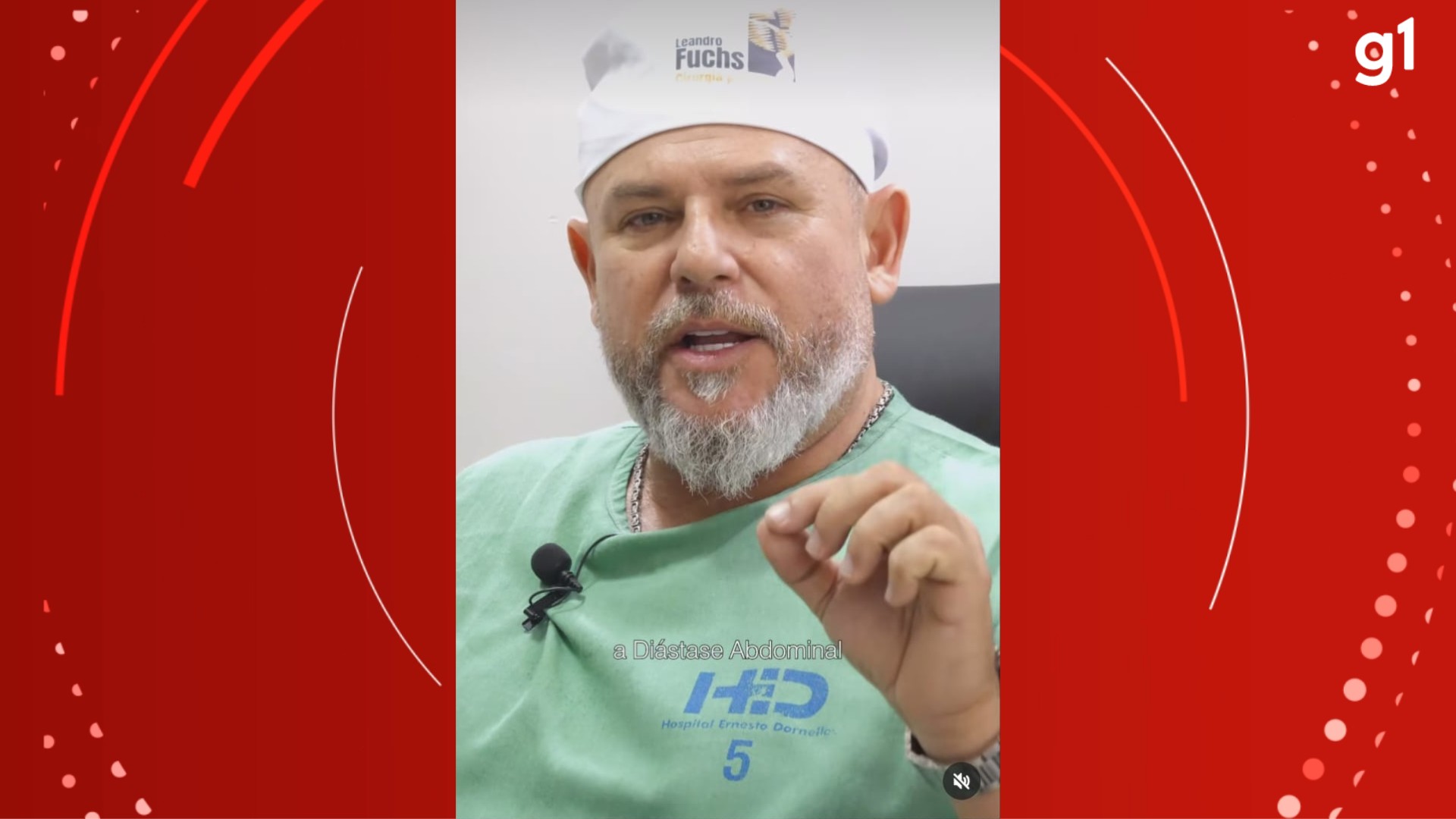
A plastic surgeon in Rio Grande do Sul, Brazil, Leandro Fuchs, has been formally charged by the state's Public Ministry in seven cases involving alleged crimes against patients. Investigations indicate that between 2018 and 2023, Fuchs may have allowed resident doctors to perform surgeries without patient consent, falsified medical records, and in some instances, charged for procedures already covered by the IPE-Saúde health plan. Patients have reported severe complications, including necrosis, infections, and deformities, with police data suggesting over 66% of 727 analyzed surgeries required corrective procedures. This amounts to 481 operations needing further intervention. The charges against Fuchs include fraud and ideological falsehood, aggravated by the alleged violation of professional duties. He also faces accusations of extortion, for potentially demanding undue advantage from his public position, and racial slurs against one patient. While the Public Ministry recommended dropping charges for severe bodily harm due to insufficient evidence from forensic reports, the legal process is ongoing. Fuchs, who was removed from his position at Hospital Ernesto Dornelles in January 2024, maintains his innocence through his defense, stating they will prove his integrity. The Regional Council of Medicine of Rio Grande do Sul (Cremers) has opened a confidential inquiry into the matter.
The legal proceedings against Dr. Leandro Fuchs highlight systemic vulnerabilities within medical practice oversight, particularly concerning patient consent, professional delegation, and billing integrity. The significant number of corrective surgeries required suggests potential issues with surgical standards or patient selection, impacting both patient well-being and healthcare resource allocation. As the medical field increasingly integrates advanced technologies and specialized training, ensuring robust ethical frameworks and transparent patient-provider communication becomes paramount. The case also underscores the importance of independent regulatory bodies and forensic analysis in upholding public trust and accountability within the healthcare sector, especially as patient outcomes are increasingly scrutinized in the digital age.
AI-generated to prompt reflection — not editorial opinion, not advice, not a statement of fact. How this works.
