Play Inspired by Homophobia Incident in Nova Friburgo Opens Usina Viva Project
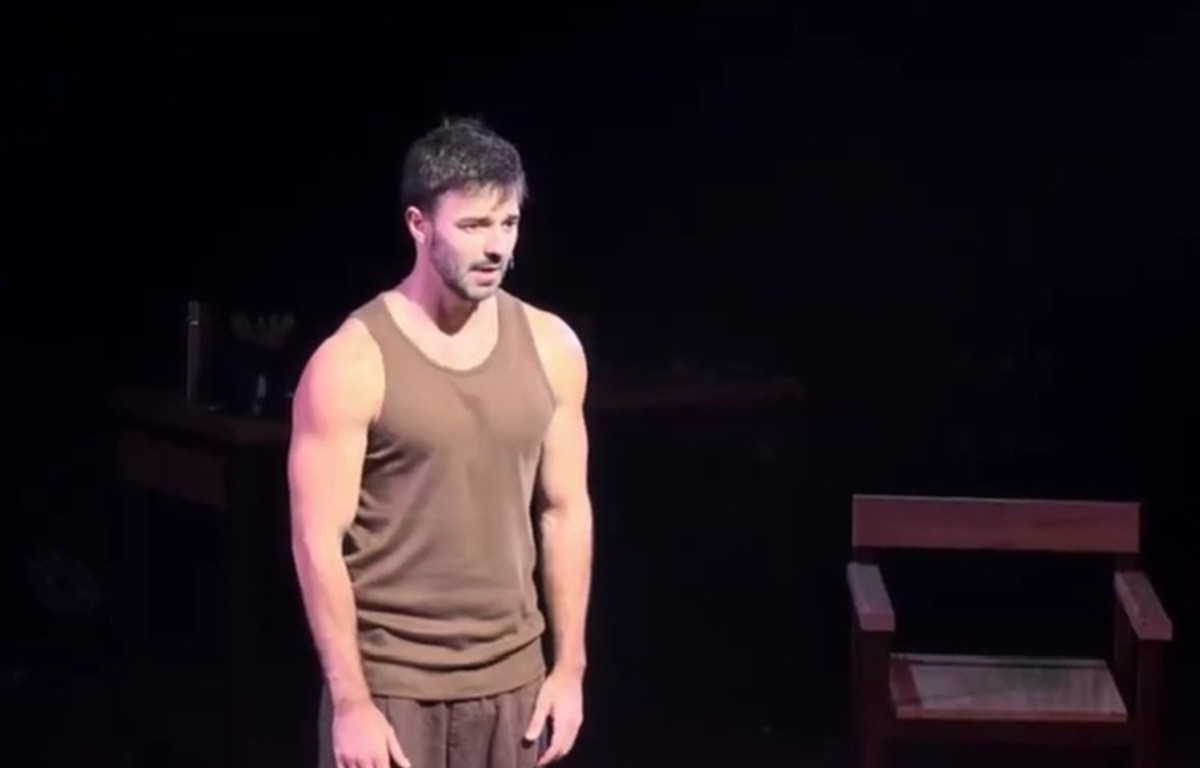
The theatrical production "Hétero Sigilo" (Hetero Secrecy), which gained acclaim in Rio de Janeiro's theater scene with sold-out performances, will be presented in Nova Friburgo, Rio de Janeiro state, on Saturday, December 12th, at 7 PM. The performance will take place at the Municipal Theater Laércio Rangel Ventura and marks the opening of the Usina Viva 2026 project's program. Admission is free, with tickets distributed one hour before the show. The play is recommended for audiences aged 16 and above.
Written, conceived, and starring Nova Friburgo native Bernardo Dugin, the monologue explores themes of masculinity, identity, belonging, and the impacts of heteronormativity. The direction is by João Fonseca, known for his work on "Cazuza" and "Minha Mãe é uma Peça." The play was inspired by a 2023 homophobia incident Dugin and his boyfriend experienced during a memorial mass in Nova Friburgo, which gained national attention. This event prompted Dugin to transform the experience into a theatrical investigation of fear, silence, and acceptance.
Dugin stated that the play addresses the silent pacts individuals make to fit in and the versions of themselves they create to avoid rejection or abandonment. Director João Fonseca emphasized that the production aims to discuss social structures rather than assign blame, highlighting the emotional cost of conforming to norms. "Hétero Sigilo" achieved significant popularity, with sold-out runs in Rio and millions of views for related content on social media. Prior to its theatrical debut, the project was developed across various platforms, including an installation at São Paulo's LGBTQIAPN+ Pride Parade where anonymous stories were shared.
This theatrical production, originating from a personal experience of homophobia, serves as a platform to examine societal pressures and internal conflicts related to identity and acceptance. By focusing on the "silent pacts" individuals make to conform, the play critiques the emotional toll of heteronormative structures rather than targeting specific individuals. The artistic approach, as articulated by its creators, aims to foster reflection on systemic issues that encourage the concealment of aspects of one's identity. In the context of an increasingly interconnected world, where digital platforms amplify both individual expression and societal judgment, understanding these mechanisms of social conformity and the psychological impact of "hiding" becomes crucial for fostering more inclusive environments. The play's success suggests a resonance with audiences grappling with similar themes of belonging and authenticity in contemporary society.
AI-generated to prompt reflection — not editorial opinion, not advice, not a statement of fact. How this works.