Play 'Miss Menuka' Explores Moral Dilemmas Amidst Political Power and Communal Violence
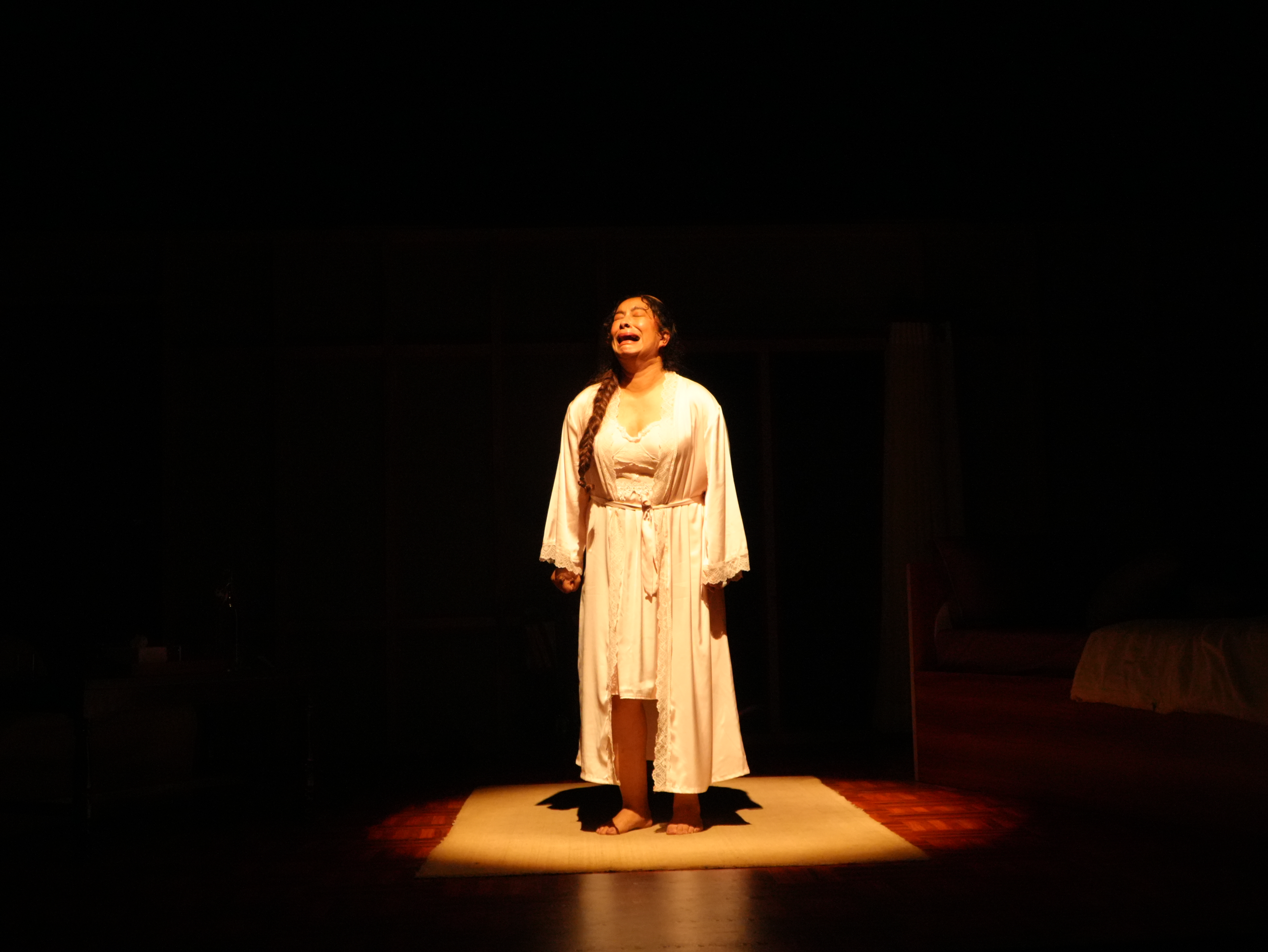
The play 'Miss Menuka' delves into the complexities of a woman's moral quandaries, intricately weaving them into a powerful critique of political influence and the devastating impact of communal violence. The production transforms personal struggles into a broader commentary on societal structures and the pressures individuals face when confronted with systemic injustice. It highlights how external forces, particularly those wielded by political powers, can shape outcomes and dictate verdicts, often at the expense of truth or individual conscience. The narrative examines the ripple effects of such power dynamics on ordinary lives and communities. Through its exploration, the play aims to provoke thought on the intersection of personal ethics and public accountability. It questions the nature of justice when it is subject to the whims of those in authority. The performance serves as a stark reminder of the human cost of political maneuvering and sectarian conflict. Ultimately, 'Miss Menuka' offers a compelling theatrical experience that resonates with contemporary issues of power, morality, and social unrest.
This theatrical production appears to leverage a woman's moral dilemma as a lens through which to scrutinize the corrosive influence of political power on judicial and social outcomes, particularly in contexts of communal strife. By framing the narrative around such themes, the play invites audiences to consider the systemic pressures that can compromise fairness and individual agency. The work implicitly questions governance structures where political expediency may override ethical considerations, potentially fostering environments where communal tensions are exploited or exacerbated for strategic gain. Future-looking, such narratives prompt reflection on the resilience of democratic institutions and the importance of maintaining independent ethical frameworks in public life, especially as societies navigate increasing complexities driven by technological and social change.
AI-generated to prompt reflection — not editorial opinion, not advice, not a statement of fact. How this works.
