PlayStation's Digital-Only Future Sparks Widespread Mockery and Parody
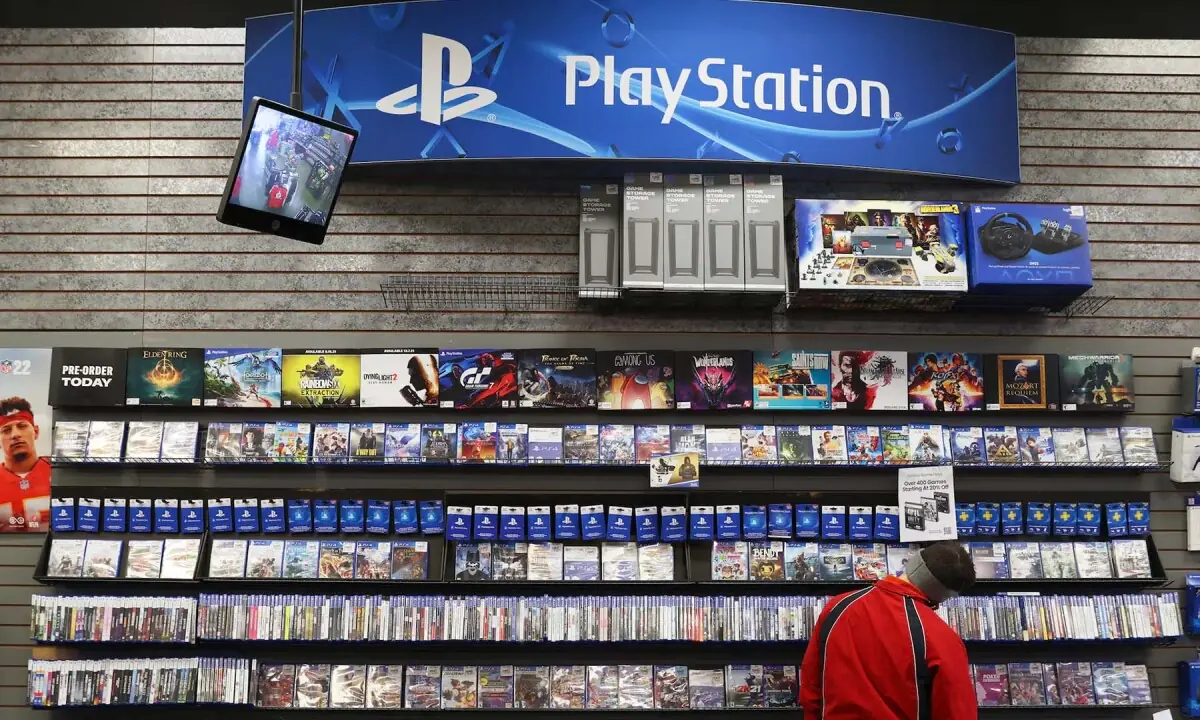
Gaming giant PlayStation is facing significant backlash from consumers, preservationists, players, and even politicians following its announcement to cease physical game disc production by January 2028. This transition means games released after this date will only be available digitally through PlayStation's marketplace. The controversy intensified just days after Rockstar Games revealed that physical copies of Grand Theft Auto VI would not include a disc, opting instead for a download code. Sony also recently announced the removal of over 500 movies from the PlayStation Network without offering refunds.
In response to the outrage, several large companies have joined in by creating humorous parodies of PlayStation's decision. Domino's Pizza announced a shift to "digital pizzas" from April 1, 2027, where consumers can download pizza codes for virtual enjoyment. Similarly, KFC's Spanish X account advertised purchasing PNG images of food and a future "Fried Chicken Pass" for monthly access to their entire catalog. G-Fuel announced its energy drink flavors would become "downloadable flavour files" starting April 1 next year, eliminating physical products. Gaming desk manufacturer Respawn also declared a move to "digital furniture only," offering downloadable chair codes for "imaginary comfort."
Conversely, some companies have satirically embraced physical services. Proton Mail announced a shift to hand-delivered encrypted letters and physical services for its VPN and cloud storage. MalwareBytes humorously stated it would shift from digital virus protection to protecting users from actual diseases with in-person escorts to doctor's appointments. Tech magazine PCMag announced it would stop updating its website, offering content via a direct AI neural network connection or mail-order floppy disks.
PlayStation's strategic pivot towards a digital-only game distribution model by 2028 reflects broader industry trends in media consumption and monetization. While this approach offers potential efficiencies in supply chain and distribution costs, it raises significant concerns regarding game preservation, consumer ownership rights, and accessibility for those with limited internet access or a preference for physical media. The widespread parodies by other brands highlight a public sentiment that questions the value proposition of purely digital goods, especially when physical alternatives are being phased out without clear recourse for consumers. This situation underscores a systemic tension between corporate incentives for digital control and market dominance, and the long-term public interest in preserving cultural artifacts and ensuring equitable access to digital content. The next decade will likely see continued debate and potential regulatory scrutiny over digital ownership models and their implications for consumers and cultural heritage.
AI-generated to prompt reflection — not editorial opinion, not advice, not a statement of fact. How this works.