Pluto's Moon Charon Shows Signs of a Dramatic Transformation
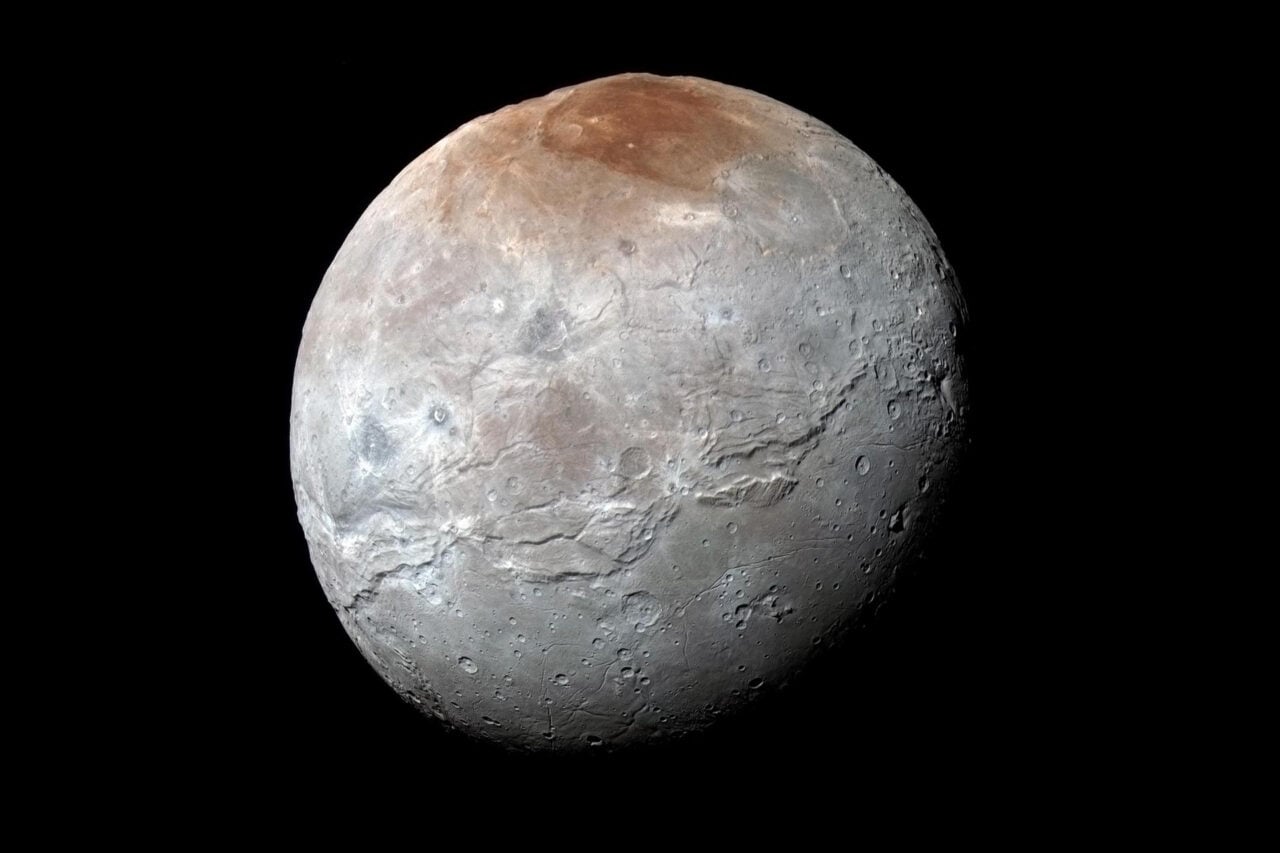
New analysis of Pluto's largest moon, Charon, suggests it has undergone significant changes throughout its history. Scientists believe Charon may have been a more rapidly spinning and spherical body in its past. Evidence points to a complex geological evolution, with features indicating a dynamic past. These findings challenge previous assumptions about the moon's relatively quiescent development. The research highlights the potential for unexpected geological activity on icy moons in the outer solar system. Further study is needed to fully understand the processes that shaped Charon. The moon's current state, described as slower-spinning and flatter than its presumed former self, is a key observation. This suggests substantial internal or external forces have acted upon it over eons. The implications extend to our understanding of moon formation and evolution in diverse planetary systems.
The geological features on Charon suggest that icy moons may possess more dynamic histories than previously modeled. Understanding the forces that led to Charon's transformation, potentially involving internal heat sources or significant impacts, could refine models of planetary body evolution. This research prompts consideration of how such processes might influence the potential habitability of other icy worlds, particularly in the context of subsurface oceans. Future exploration could focus on identifying similar geological markers on other Kuiper Belt Objects and moons to establish broader patterns of development.
AI-generated to prompt reflection — not editorial opinion, not advice, not a statement of fact. How this works.