PM Chairs Meeting on Earthquake Preparedness
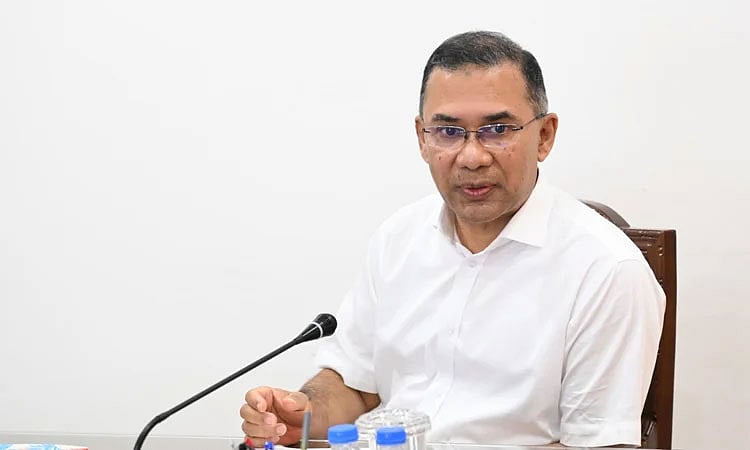
Prime Minister Sheikh Hasina chaired a meeting on earthquake preparedness at the Bangladesh Secretariat on Wednesday afternoon. The discussion focused on strengthening the government's overall readiness and emergency response following a potential earthquake. Key outcomes included plans to form a national task force and prepare one lakh volunteers for post-earthquake emergency services, with training to be provided. A database of 70,000 volunteers has already been compiled, and the remaining 30,000 will be prepared shortly. The meeting also addressed raising public awareness about earthquake preparedness through various programs and establishing a special cell within the Prime Minister's Office dedicated to earthquake preparedness. Efforts to ensure effective coordination between government and private organizations during potential disasters were also discussed. Furthermore, the establishment of Humanitarian Staging Areas (HSAs) in Dhaka, serving as logistics hubs for rapid relief and emergency aid distribution during disasters, was considered. Attendees included the Minister and State Minister for Disaster Management and Relief, the State Minister for Health and Family Welfare, the Principal Secretary to the Prime Minister, and the Secretary of the Ministry of Disaster Management and Relief.
This meeting highlights a proactive governmental approach to disaster risk reduction, specifically concerning seismic events. The emphasis on volunteer training, database creation, and establishing dedicated cells reflects a systemic effort to build resilience. The inclusion of Humanitarian Staging Areas indicates a focus on logistical efficiency for post-disaster response. Looking ahead, the integration of AI in predictive modeling for seismic activity and optimizing volunteer deployment could further enhance preparedness. Ensuring sustainable funding and continuous training for volunteers will be critical for the long-term effectiveness of these initiatives, especially in the context of increasing urbanization and potential climate-related disaster overlaps.
AI-generated to prompt reflection — not editorial opinion, not advice, not a statement of fact. How this works.