PM Coordinator Demands Reversal of KP Laws Granting MPAs Expanded Privileges
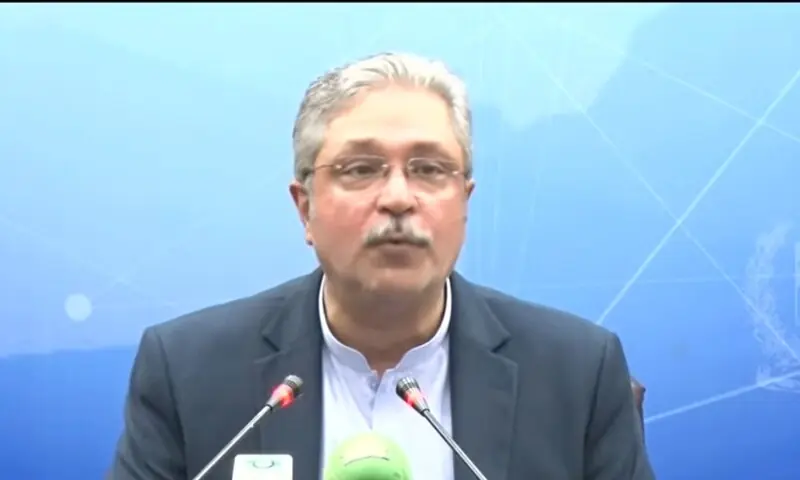
Ikhtiar Wali Khan, the Prime Minister’s Coordinator for Khyber Pakhtunkhwa Affairs, has called for the repeal of three laws passed by the KP Assembly on April 30. These laws, which received assent from Governor Faisal Karim Kundi on May 6 but have not yet been officially published, significantly expand the powers, immunities, and privileges of Provincial Assembly Members (MPAs), the speaker, and the deputy speaker. Khan argued that the legislation effectively places MPAs above the law, citing provisions that grant blanket immunity from preventive detention and require prior permission from the speaker before an MPA can be arrested for a criminal offense. He expressed concern that the speaker, under the guise of freedom of expression, would likely shield MPAs from accountability. The new laws also increase the number of non-prohibited bore weapon licenses MPAs can hold from four to eight, with four being free and four requiring payment. Khan questioned the necessity of such extensive armament for lawmakers, advocating for deweaponization across Pakistan and asserting that security should remain a government responsibility. Furthermore, the legislation grants lifetime official passports to MPAs and their spouses, a provision Khan believes could be exploited for seeking political asylum abroad and would internationally disgrace Pakistan. He also criticized clauses that allow the speaker and KP government to ban journalists and publications from covering assembly sessions, viewing it as an attack on press freedom. The KP Assembly passed the KP Provincial Assembly (Powers, Immunities and Privileges) Act 2026, the KP Province Speaker and Deputy Speaker (Powers, Immunities and Privileges) Act 2026, and the KP Province (Salaries and Allowances of Members) Act 2026. However, the office of KP Assembly Speaker Babar Saleem Swati has stated that the recent amendments largely clarify existing provisions from a 1988 law, with approximately 99% of the powers and facilities already in place.
The recent legislative changes in Khyber Pakhtunkhwa, which significantly enhance immunities and privileges for MPAs, raise fundamental questions about accountability and the rule of law. While proponents suggest these amendments merely clarify existing statutes, the expansion of powers, particularly concerning immunity from arrest and increased weapon licenses, presents a potential conflict with principles of equitable governance. Such provisions could create an environment where elected officials operate with reduced oversight, potentially eroding public trust and creating systemic incentives for impunity. In an era increasingly focused on transparency and the responsible use of authority, particularly concerning public safety and the proliferation of arms, these legislative actions warrant careful scrutiny regarding their long-term implications for democratic institutions and the balance of power between citizens and their representatives. The international implications of granting lifetime official passports also warrant consideration in the context of global security and immigration policies.
AI-generated to prompt reflection — not editorial opinion, not advice, not a statement of fact. How this works.