PM Modi's 3 Trips Signal Geopolitical Shifts in Indo-Pacific
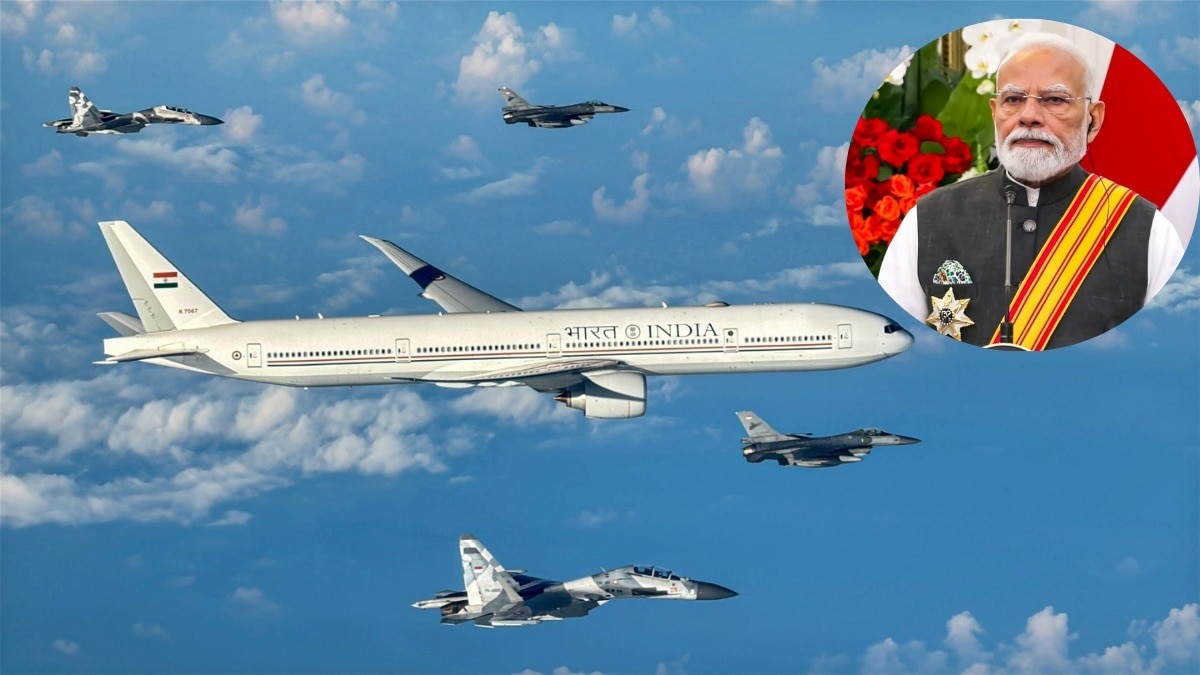
Prime Minister Narendra Modi's recent three-country tour is poised to reshape security dynamics within the Indo-Pacific and the South China Sea. India is actively redefining its relationships with Indonesia, Australia, and New Zealand through these diplomatic engagements. The strategic implications of these renewed ties are expected to have a notable impact on China's diplomatic strategies and influence in the region. The visits underscore India's growing assertiveness in regional security architecture and its commitment to fostering stronger alliances. Discussions likely encompassed areas such as defense cooperation, trade, and maritime security, reflecting a broader effort to balance regional power. The focus on these specific nations suggests a deliberate strategy to strengthen India's position and partnerships in a critical geopolitical theater. This proactive approach by India aims to enhance stability and promote its interests in the face of evolving regional challenges.
Prime Minister Modi's multi-nation tour signifies India's strategic pivot towards strengthening alliances in the Indo-Pacific, a region of increasing geopolitical significance. By engaging with Indonesia, Australia, and New Zealand, India aims to bolster its security and economic partnerships, potentially recalibrating the regional balance of power. This diplomatic initiative highlights India's proactive stance in shaping the future of maritime security and trade routes, emphasizing a multipolar order. The move could foster greater regional cooperation on shared challenges, while also presenting a strategic counterpoint to existing geopolitical pressures. The long-term success will depend on sustained engagement and the ability to translate these diplomatic overtures into concrete collaborative actions across defense, technology, and economic spheres.
AI-generated to prompt reflection — not editorial opinion, not advice, not a statement of fact. How this works.