PM Reverses Tax on Education and Health, But Process Criticized
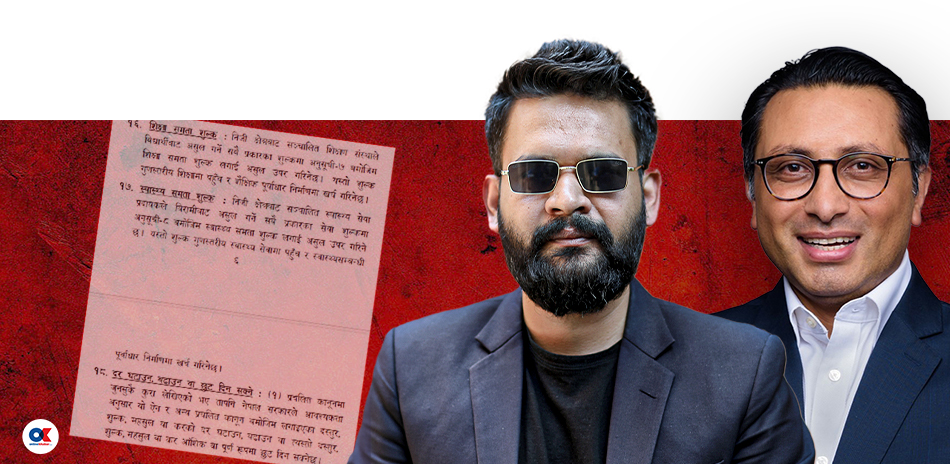
Prime Minister Balen has reversed the implementation of taxes on education and health, a move that has garnered public support. The decision to impose these taxes was reportedly made by Finance Minister Wagle without adequate preparation. While the public backs the reversal, concerns have been raised about the flawed decision-making process. The initial imposition of these taxes, which lacked proper groundwork, has led to scrutiny of the administrative procedures involved. The Prime Minister's intervention to correct the course has been welcomed, but the underlying issues with policy implementation remain a point of discussion. This situation highlights potential challenges in policy formulation and execution within the government.
The reversal of taxes on education and health, while popular, underscores a recurring challenge in policy implementation where rapid decisions may precede thorough analysis and public consultation. This incident prompts reflection on governance structures and the importance of established procedures to ensure policy robustness and predictability. Moving forward, strengthening inter-ministerial coordination and impact assessment frameworks could mitigate the risk of hastily introduced measures that require subsequent correction, thereby fostering greater public trust and efficient resource allocation.
AI-generated to prompt reflection — not editorial opinion, not advice, not a statement of fact. How this works.