PM Tarique Rahman Meets Allies to Strengthen Anti-Fascist Movement
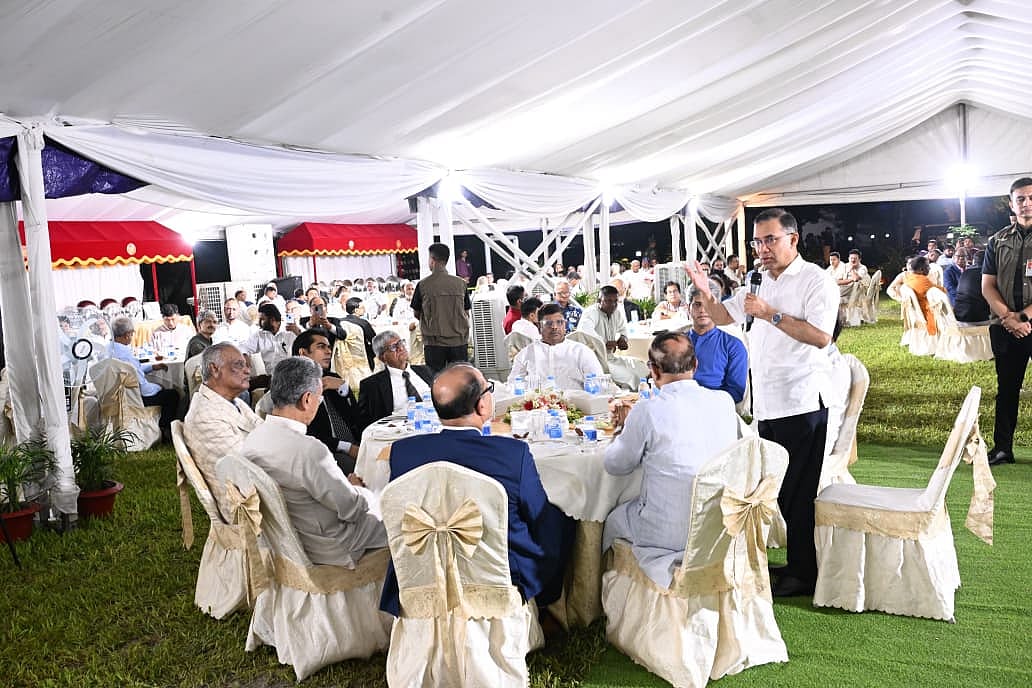
Mirza Fakhrul Islam Alamgir, Secretary General of the BNP and Minister of Local Government, expressed optimism that Prime Minister Tarique Rahman's meeting with leaders of political parties allied in the simultaneous movement will further solidify political unity. He described the meeting, held five months after the government's formation, as a significant political event where future programs were discussed. The meeting took place on Monday night at the State Guest House Jamuna, following an earlier session between the Prime Minister and leaders of allied parties and alliances participating in the simultaneous movement. Attendees included Mahmudur Rahman Manna of Nagorik Oikya, Sheikh Rafiqul Islam of Bhashani Jono-shokti Party, Saiful Haque of Biplobi Workers Party, Abul Hasan Rubel of Ganasanghati Andolan, Junaed Saki, and Nurul Haque of Gono Odhikar Parishad. Alamgir noted that the meeting occurred in July 2024, following a period of intense student and public protest that ended what he termed 'fascist rule' and created an opportunity to restore democracy. The gathering, attended by leaders who have collectively protested fascism, autocracy, and extremism for 15-16 years, was described as emotional, recalling experiences of imprisonment, cases, disappearances, and killings. Prime Minister Rahman reportedly engaged in sincere dialogue, with allies offering positive feedback on the government's initial activities. He acknowledged that prior commitments had limited regular consultations but emphasized the government's focus on reaching the public through various programs, including agricultural loans, family and farmer cards, and stipends for religious leaders and athletes, alongside canal re-excavation. The Prime Minister also addressed the nation's economic and institutional crises, stating the government inherited a 'ruin' and is working to rebuild collapsed institutions. He pledged more frequent future meetings and reiterated commitments to implement the 31-point program announced during the movement and adhere to the 'July Charter' signed by the parties. The meeting also commemorated those who died, were injured, or lost their sight during the July movement. Regarding local government elections, Minister Alamgir stated that current law does not permit party-symbol elections, and future decisions will be made through political consultation.
This meeting signifies a strategic effort by the ruling coalition to consolidate political support and articulate a unified agenda following a period of significant public unrest and subsequent government formation. The emphasis on 'anti-fascist' rhetoric and the recall of past struggles highlight the ideological underpinnings of the alliance, aiming to frame current governance within a narrative of democratic restoration. The Prime Minister's acknowledgment of prior commitments and pledge for future engagement suggests an awareness of the need for sustained dialogue with coalition partners, particularly in navigating the stated 'economic and institutional crises.' The commitment to the 'July Charter' and the 31-point program indicates a framework for policy implementation, though the practical execution and potential trade-offs in addressing systemic challenges will be critical. Future political consultations on electoral reforms, such as local government elections, will test the coalition's ability to balance ideological goals with pragmatic governance and evolving public expectations in the coming decade.
AI-generated to prompt reflection — not editorial opinion, not advice, not a statement of fact. How this works.