PML-N Leads in Mirpur Elections Amidst Violence and Rigging Allegations
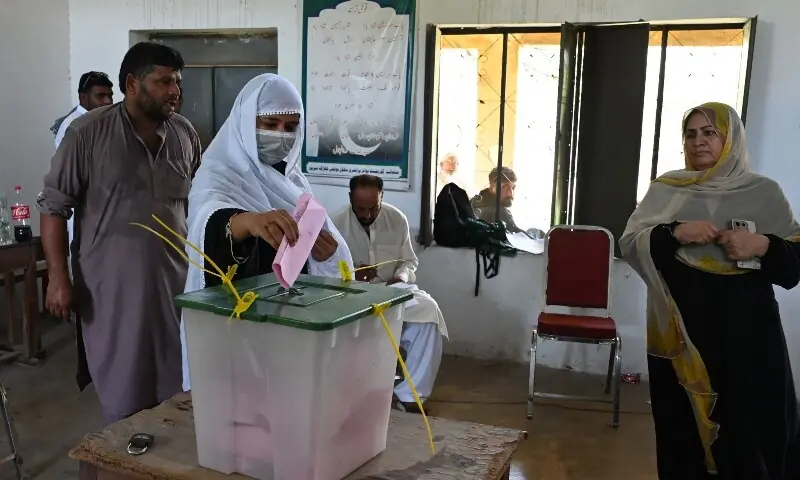
The first phase of the Azad Jammu and Kashmir (AJK) elections in the Mirpur division concluded with the Pakistan Muslim League-Nawaz (PML-N) appearing to lead in seven out of thirteen constituencies, while the Pakistan Peoples Party (PPP) was ahead in five. One seat remained contested as unofficial results emerged. The election process was marred by scuffles and violence, including the death of a PPP worker, Mukhtar Younus, and injuries to two others in Nakyal, Kotli district. The PPP alleged that Younus was killed by supporters of a rival PML-N candidate and condemned the incident, calling for transparency and fair elections. The PPP also accused PML-N candidates of ballot stuffing and rigging in Kotli and criticized the Election Commission's oversight. The Chief Election Commissioner, Ghulam Mustafa Mughal, acknowledged the polls were "the most difficult" in AJK's history and confirmed an incident where polling materials were recovered after officials entered a private residence. He also noted a disturbance in Raj Mahal and the death in Nakyal but maintained the process was completed smoothly. Voter turnout was reportedly sluggish in urban areas due to weather and timing, but higher in rural regions. The Istehkam-i-Pakistan Party (IPP) also reported alleged ballot box snatching. The Tehreek-i-Tahaffuz Ayeen-i-Pakistan (TTAP) expressed concern that the electoral process failed to inspire public confidence, citing low voter turnout. The Pakistan Tehreek-e-Insaf (PTI), which boycotted the elections, insisted that minimal turnout reflected widespread discontent and questioned the credibility of the process.
The reported events in the AJK elections highlight a recurring tension between electoral processes and public trust, particularly in regions with complex political histories. The allegations of rigging, violence, and low turnout suggest that systemic issues may be undermining the perceived legitimacy of the elections. While the Election Commission has acknowledged difficulties and taken some action, the continued presence of such challenges raises questions about the robustness of electoral governance frameworks. Moving forward, a critical examination of voter registration, security protocols, and dispute resolution mechanisms will be essential to foster greater confidence. The stated concerns by various parties, including the TTAP and PTI, about public confidence and the integrity of the process, point to a need for reforms that not only ensure procedural fairness but also demonstrably enhance transparency and accountability, thereby strengthening democratic institutions in the long term.
AI-generated to prompt reflection — not editorial opinion, not advice, not a statement of fact. How this works.