PML-N MPA Saqib Chadhar Found Guilty of Harassment, Court Told
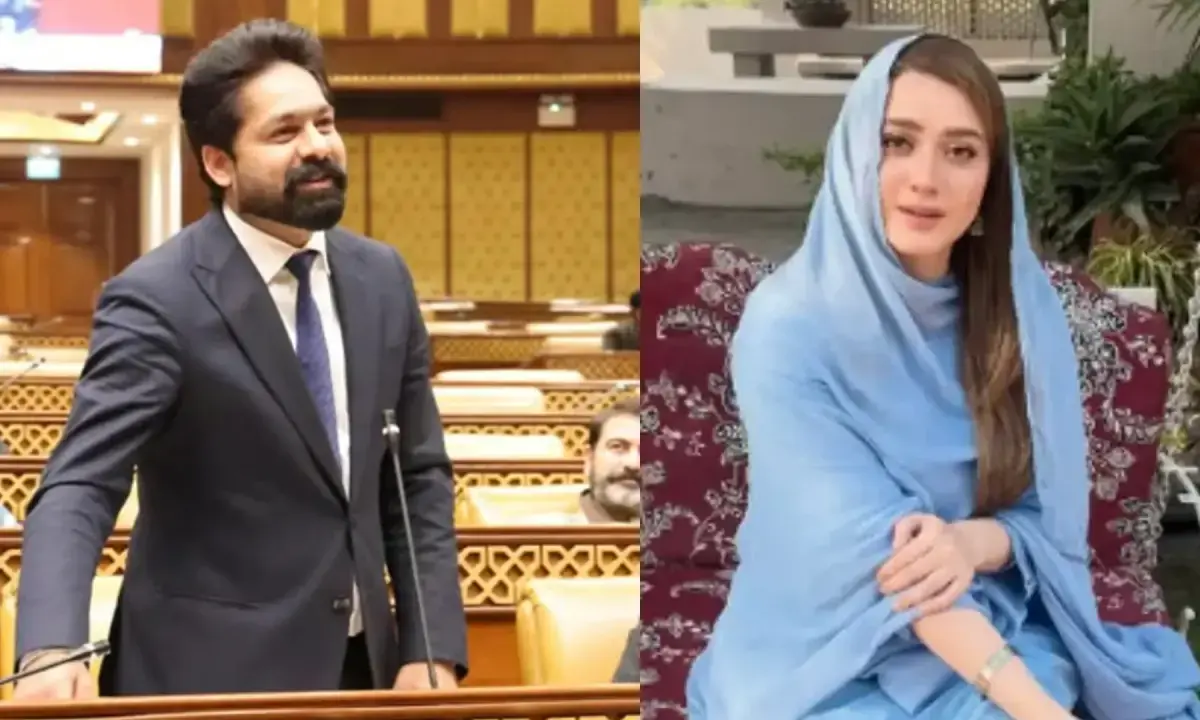
A National Cyber Crime Investigation Agency (NCCIA) official informed a Lahore court on Tuesday that PML-N Member of Provincial Assembly (MPA) Saqib Chadhar has been found guilty of harassing actor Momina Iqbal. The NCCIA Lahore Station House Officer (SHO) Najam Bajwa presented this finding during a hearing for the pre-arrest bail petitions filed by Chadhar and his wife, who are named in a First Information Report (FIR) stemming from Iqbal's harassment allegations. Chadhar and his wife appeared in court as their interim pre-arrest bail expired. SHO Bajwa also reported that Chadhar's wife surrendered her mobile phone for forensic examination. Iqbal's legal counsel urged the court to deny the bail pleas, citing a potential threat to his client. The judge extended the couple's bail until September 3 and directed both parties to present final arguments at the next session. The case gained significant attention after Iqbal's May social media appeal went viral, prompting intervention from senior PML-N leadership, including Chief Minister Maryam Nawaz. Iqbal had alleged prolonged online harassment, cyberbullying, and death threats, causing severe mental distress to her and her family. She claimed that despite reporting the issue to NCCIA and the Federal Investigation Agency, no action was taken, and attempts were made to suppress her complaints. Following the viral appeal, the PML-N leadership ordered the NCCIA to investigate Iqbal's complaint promptly. The FIR, registered on June 4, includes charges under the Prevention of Electronic Crimes Act and the Pakistan Penal Code, pertaining to unauthorized data access, cyberstalking, criminal intimidation, and abetment, among others. Iqbal's application detailed alleged threatening calls, abusive behavior after she refused a marriage proposal, blackmail, and the transmission of threatening messages to her sister.
The NCCIA's finding of guilt against MPA Saqib Chadhar, as presented in court, highlights the critical role of independent investigative bodies in addressing allegations of harassment and abuse of power. The case underscores the potential for social media appeals to accelerate official action when traditional channels prove insufficient, particularly when political leadership intervenes. This situation raises questions about the effectiveness of existing cybercrime legislation and enforcement mechanisms, and the pressures that may influence their application. Moving forward, ensuring robust, impartial investigations and transparent legal processes will be crucial for maintaining public trust and deterring similar misconduct, irrespective of an individual's political standing or influence.
AI-generated to prompt reflection — not editorial opinion, not advice, not a statement of fact. How this works.