PML-N's Nawaz Sharif and PPP's Bilawal Bhutto-Zardari vie for control in AJK elections
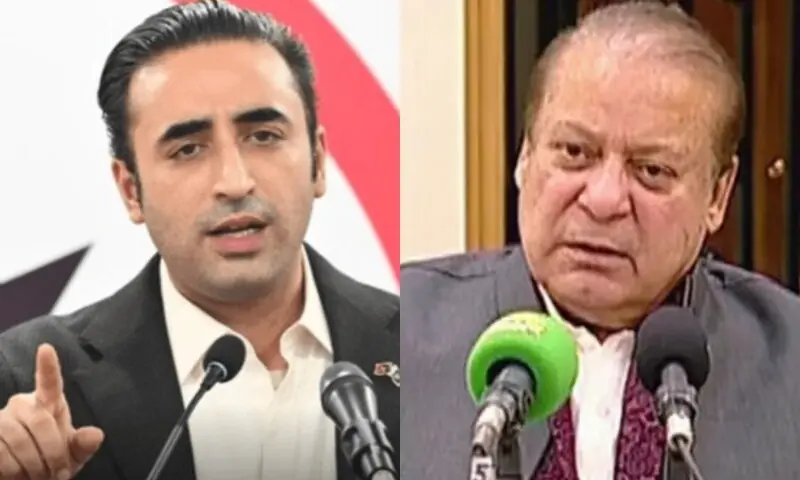
With the Azad Jammu and Kashmir (AJK) elections less than a week away, the Pakistan Muslim League-Nawaz (PML-N) and the Pakistan Peoples Party (PPP) have intensified their campaigns, with their top leaders directly involved. PPP Chairman Bilawal Bhutto-Zardari is actively campaigning in AJK, aiming for a repeat of his party's success in the Gilgit-Baltistan elections where the PPP formed the government. To counter this, PML-N President Nawaz Sharif has stepped in to lead his party's campaign, a move observers are closely watching. Some analysts suggest the PML-N faces a tougher challenge due to public discontent stemming from its alleged role in suppressing protests by the banned Joint Awami Action Committee (JAAC). The PML-N is reportedly determined to avoid losing ground to the PPP, as it did in Gilgit-Baltistan. PML-N's information adviser stated the party has learned from past mistakes and anticipates a difficult campaign for the PPP. Conversely, Bhutto-Zardari criticized the PML-N government's handling of the crackdown and pointed to controversial remarks by a PML-N minister regarding Rawalkot's status within AJK. He vowed to challenge the PML-N, while PML-N leaders urged for restraint to avoid escalating tensions. Analysts remain divided on the effectiveness of Nawaz Sharif's direct involvement, especially given the PML-N's perceived unpopularity in AJK. Some believe his leadership could backfire if the party loses, potentially impacting his political standing. Others, like Pildat President Ahmed Bilal Mehboob, view Nawaz Sharif's presence as a natural move for the PML-N president to support his party, similar to Bhutto-Zardari's active role. Despite the high-profile contest, some observers believe the PPP holds a stronger position in AJK, partly due to its current governance in the region.
The upcoming AJK elections highlight a strategic struggle between Pakistan's two major political parties, the PML-N and the PPP, for regional influence. The direct involvement of party leaders, Nawaz Sharif and Bilawal Bhutto-Zardari, underscores the perceived stakes of this contest. Public sentiment, particularly concerning the handling of protests and associated government actions, appears to be a significant factor influencing voter perception and campaign strategies. The electoral outcome could reflect broader national political dynamics and potentially shape future inter-party competition and governance approaches in Pakistan's administrative regions.
AI-generated to prompt reflection — not editorial opinion, not advice, not a statement of fact. How this works.