Poços de Caldas restaurants now offer digital menus for visually impaired patrons
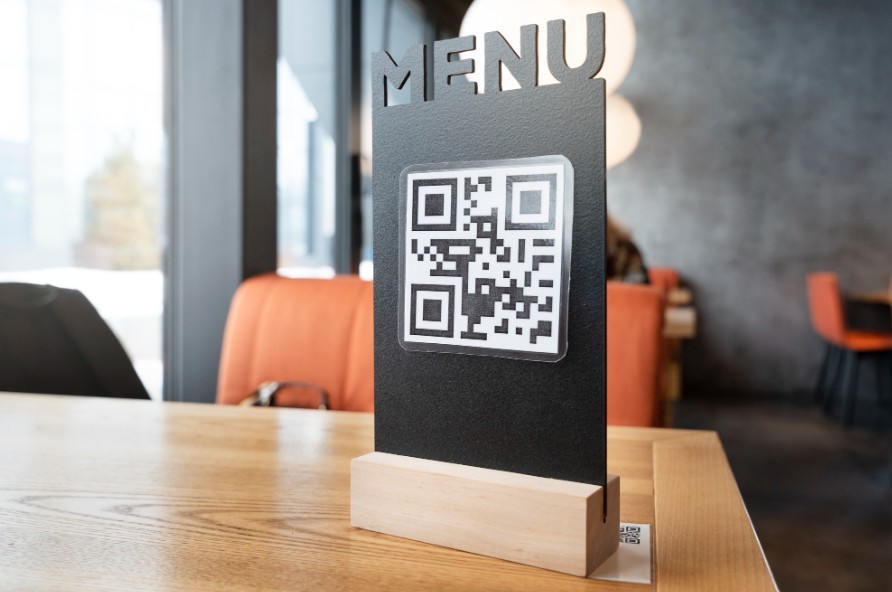
Poços de Caldas, Minas Gerais, has enacted a new law allowing bars and restaurants to provide digital menus for visually impaired customers, replacing the previous requirement for Braille menus. This update, sanctioned by the municipality, aims to enhance accessibility by leveraging technology. Merchants and users alike have noted that digital menus are easier to keep updated than their Braille counterparts. The Procon had already recommended this digital format since last year, but the new law solidifies the change in service standards. The initiative stemmed from a request by the Association for Assistance to Visually Impaired Individuals of Poços de Caldas (AADV-PC), which highlighted the impracticality of Braille menus due to their size, cost, frequent updates, and limited suppliers. The new legislation supersedes a 1999 rule that exclusively mandated physical Braille menus, now permitting technological solutions for accessibility. Business owner Maria do Rosário explained that QR codes are a more viable option as they eliminate the need to reprint menus when changes occur. Customers can access the digital menu by scanning a QR code provided by the waiter, using their smartphones. Rodrigo Gagliardi, a volunteer director at AADV-PC, views the law as a significant step forward in inclusion, aligning accessibility with technological advancements. He emphasized that while not all visually impaired individuals read Braille, most own smartphones equipped with assistive technology, such as text-to-speech software, enabling them to access menu information audibly. This digital approach also mitigates issues with outdated pricing, a common problem with physical Braille menus that can lead to customer dissatisfaction. The municipal Procon will be responsible for enforcing these new accessibility regulations.
This legislative update in Poços de Caldas reflects a broader societal shift towards integrating technological solutions for improved accessibility, particularly for individuals with disabilities. By moving from a rigid Braille-only mandate to a more flexible digital format, the municipality acknowledges the evolving landscape of assistive technology and the practical challenges of maintaining physical adaptive materials. This approach allows businesses to more efficiently manage updates and costs, while simultaneously offering visually impaired patrons access to information through widely adopted personal devices. The law's emphasis on technological adaptation highlights the potential for innovation to bridge accessibility gaps, encouraging a more inclusive service environment that keeps pace with digital progress. Future considerations might involve ensuring equitable access to digital devices and internet connectivity for all citizens, thereby maximizing the benefits of such forward-thinking regulations.
AI-generated to prompt reflection — not editorial opinion, not advice, not a statement of fact. How this works.