Pogacar Warns Against July Racing in Extreme Heat During Tour de France
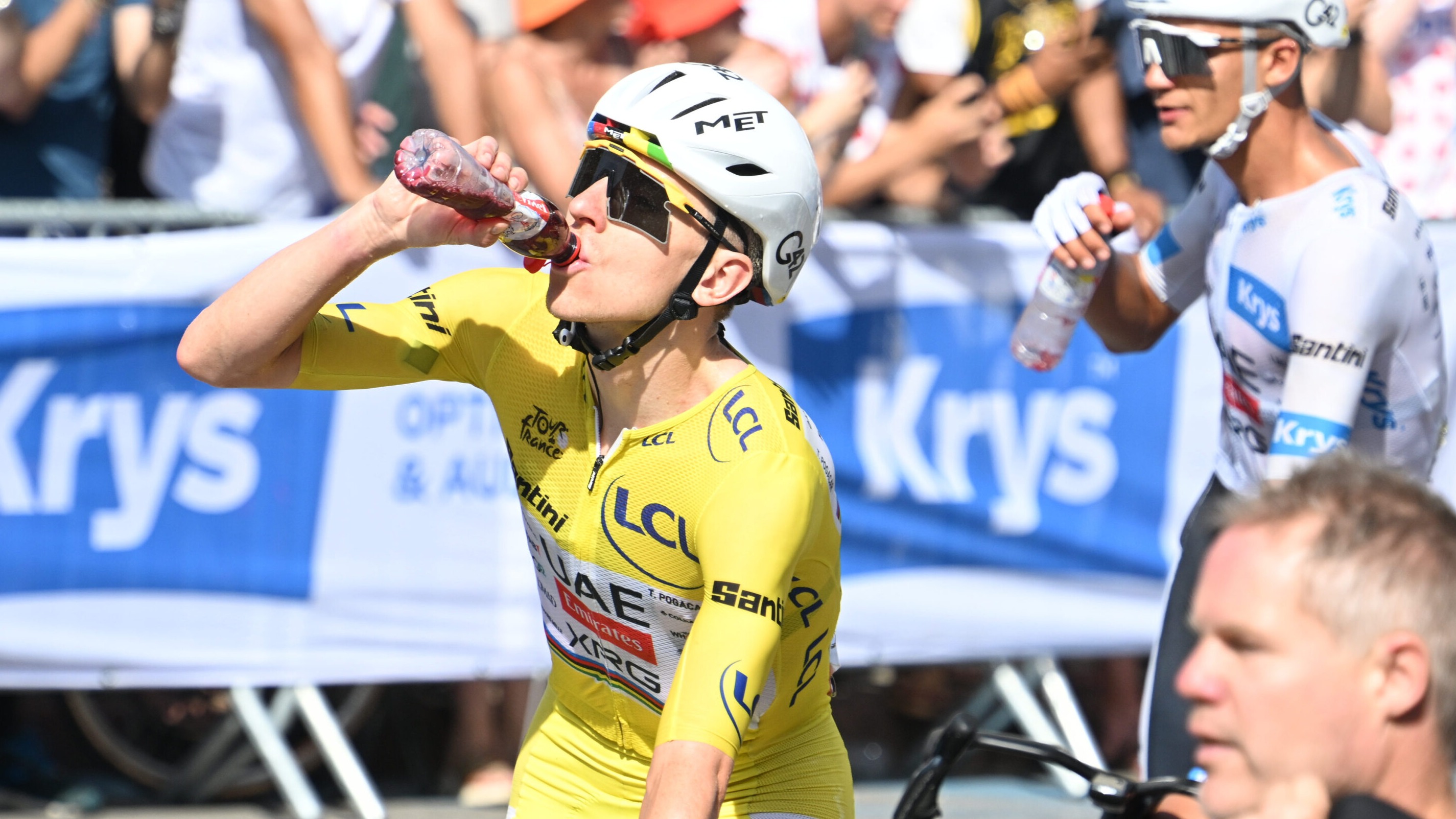
Following nine demanding stages of the Tour de France, yellow jersey holder Tadej Pogacar has addressed the pressing issue of the extreme heat affecting the race. He stated that races should not be held in locations experiencing very high temperatures. Pogacar's comments highlight growing concerns about the impact of climate change on professional cycling and athlete safety. The current edition of the Tour de France has already seen riders battling scorching conditions, raising questions about scheduling and course selection. This warning from a prominent cyclist like Pogacar is likely to fuel further discussion among organizers, teams, and cycling federations regarding future race protocols. The safety of athletes in increasingly hot environments is becoming a critical consideration for the sport. Pogacar's intervention underscores the need for proactive measures to adapt cycling events to a changing climate. The focus is shifting towards ensuring the well-being of participants amidst challenging weather patterns.
The increasing frequency and intensity of heatwaves present a significant challenge to the scheduling and execution of outdoor endurance events like the Tour de France. As climate change progresses, organizers face a complex trade-off between tradition, commercial interests, and athlete welfare. Future planning will likely require more dynamic risk assessment protocols that can adapt race routes and schedules in real-time based on meteorological forecasts. This situation prompts a broader consideration of how major sporting events can be made more resilient to environmental extremes, potentially involving innovations in athlete support, course design, and even the timing of events across the calendar year. The imperative is to balance the spectacle of sport with the fundamental need to protect human health and safety in a warming world.
AI-generated to prompt reflection — not editorial opinion, not advice, not a statement of fact. How this works.